The start of the election campaign in Israel
Israel has officially entered the election campaign period ahead of the Knesset elections, scheduled for 27 October 2026. Polls indicate that the current governing coalition is set to lose its majority, though this does not necessarily mean the opposition will take power. Benjamin Netanyahu’s government will adopt a harder stance on crises and conflicts involving Israel to maximise political gains during the election campaign.
 Ronen Zvulun / Reuters / Forum
The final months of the 25th Knesset
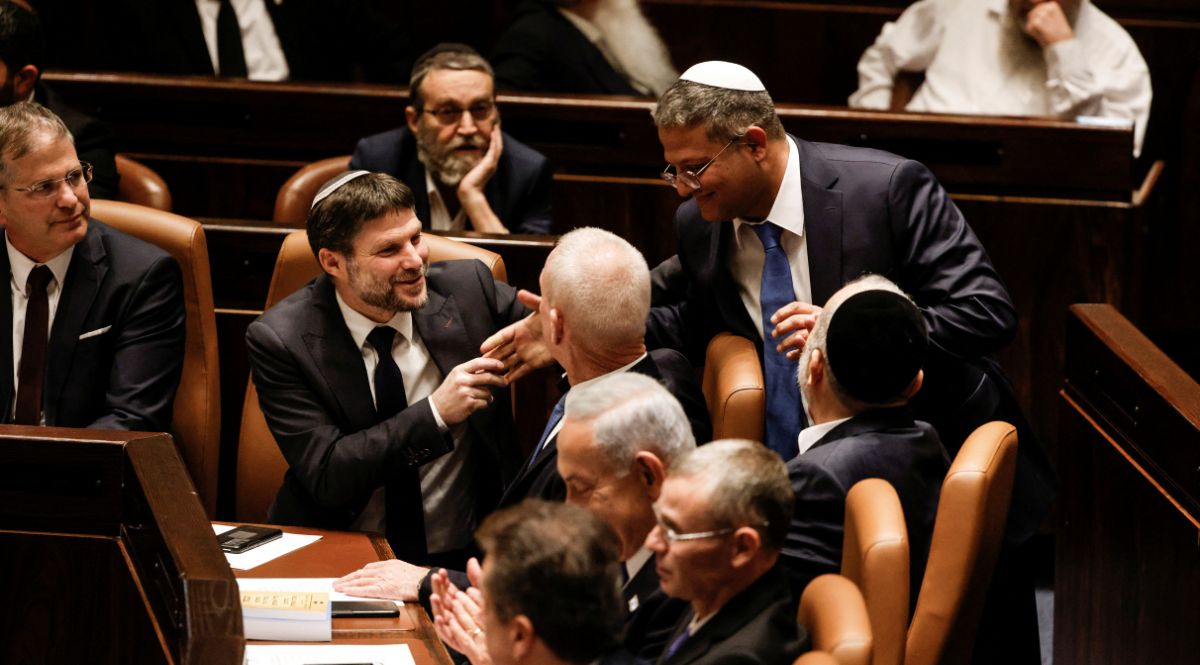
Despite the unprecedented domestic and international crisis facing Israel, Netanyahu’s cabinet managed to complete a full four-year parliamentary term. The government’s final months were marked by intense legislative activity aimed at meeting the political expectations of its coalition partners. A key element was the introduction of measures favourable to religious parties, which limit conscription of the ultra-Orthodox population and suspend penalties for those who avoided conscription on religious grounds. Furthermore, a constitutional law was passed recognising the special role of Torah study for the Jewish state, which—as a higher-order legal act—can effectively influence future court rulings.
Through these measures—which are unpopular with the public, including among the right-wing electorate—religious parties have supported reforms of public and oversight institutions. This has been one element leading to the weakening and division of the Attorney General’s powers, as well as changes affecting the bodies responsible for the media. Some of the new regulations were challenged before the Supreme Court, which suspended certain provisions, a decision the government, in turn, contested. The result has been a deepening of the constitutional crisis in Israel and has highlighted the executive branch’s disregard for the decisions of the constitutional court. It should also be noted that, in recent months, the coalition has managed to allocate additional funds for the expansion of Jewish settlements in the West Bank and to support settler groups.
The political parties and the campaign
Changes in legislation—in particular, concessions to the ultra-Orthodox—have strengthened the opposition’s poll lead over the ruling coalition, which consists of Likud, religious parties, and the far right. Although Likud remains the most popular party (it will likely win about 23 seats), polls indicate that the current coalition can expect to secure about 50 of the 120 Knesset seats. The opposition’s fragmentation remains a problem. Gadi Eisenkot, former Chief of Staff of the Israel Defense Forces from 2015 to 2019, has emerged as the main opposition leader; his party, Yashar (Forward), is polling at levels comparable to Likud’s. The second-largest opposition force is the Yahad (Together) alliance, led by the duo of former prime ministers from 2021–2022, Yair Lapid and Naftali Bennett. The left, currently under the banner of “Democrats” and led by Major General Yair Golan, is achieving relatively good results. Avigdor Lieberman’s secular party, Yisrael Beiteinu, is enjoying stable support. Although some polls indicate that these groups together would secure a slim majority (61) in the Knesset, this would—once again—result in an unstable government formed by ideologically diverse parties. A traditional dividing line is the potential participation of Arab parties, particularly the conservative Ra’am party, which provided the majority of the anti-Netanyahu opposition following the 2021 elections. Although its entry into the coalition would guarantee a secure majority in the Knesset, this option has so far been rejected by the leaders of the Jewish opposition, and the ruling camp routinely weaponises its potential existence in electoral attacks against political opponents. The post-election arithmetic may also be influenced by the participation and threshold-crossing of smaller or new right-wing parties, which could join either the opposition or a potential Netanyahu coalition.
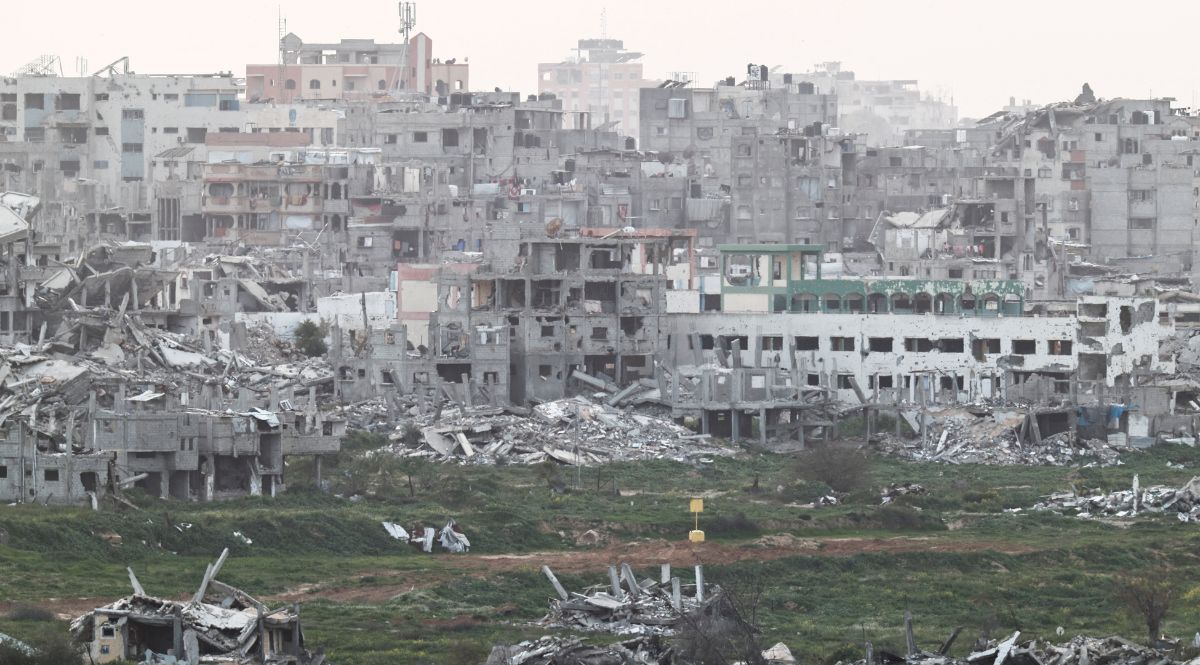
The main focus of the campaign remains the war in the Gaza Strip and its aftermath, particularly at the domestic level. The opposition emphasises the government’s responsibility and the lack of political accountability nearly three years after the Hamas attack, as well as the costs borne by Israeli society—primarily those related to military service requirements. The issue that resonates most strongly is the exemption of ultra-Orthodox Jews from conscription, which undermines the sense of equality and social justice and also limits the possibility of an agreement between the opposition and religious parties to form a joint coalition. The government and Prime Minister Netanyahu consistently blame the October 7 failure on institutional shortcomings within the military and the intelligence services, while maintaining an anti-elite narrative targeting senior command. As a result of war fatigue, the leading issues that had previously mobilised opposition voters—such as reforms undermining the rule of law and the ongoing corruption case against Netanyahu—have lost some of their momentum.
The Impact of Regional Crises
The election campaign in Israel is taking place against the backdrop of an ongoing security crisis. For the most part, the government and the opposition agree on strategic foreign policy goals and reject external criticism of Israel’s actions (including actions by international courts and accusations of genocide). Like the government, most of the opposition categorically rules out the creation of a Palestinian state. The real point of contention is the current state of affairs and the prospects for Israel’s ongoing conflicts. The government is attempting to capitalise on the significant weakening of its main regional adversaries: Hamas, Hezbollah, and Iran. The electoral context favours maintaining the current status quo in the Gaza Strip and Lebanon (and to a lesser extent in Syria)—officially a ceasefire, and in practice, a low-intensity conflict alongside protracted peace negotiations—which is intended to preserve Israel’s freedom of action. This is particularly evident in the conflict with Hamas and Israel’s conditioning of its withdrawal from the Strip on the organisation’s complete disarmament. However, the government’s failure to deliver on its promised victory in the conflicts involving Israel, coupled with US pressure for lasting stability, is being exploited by the opposition to criticise the authorities, even though it does not offer a radically different strategy. Particularly problematic for the prime minister—and undermining support among his electorate—remains the issue of relations with the US, including the future US-Iran agreement, increased criticism from the Donald Trump administration, and its recent decisions, such as support for the sale of F-35s to Turkey and a nuclear agreement with Saudi Arabia.
Conclusions and Perspectives
As in recent years, the upcoming elections will once again centre on Prime Minister Netanyahu, serving as a referendum on his policies—above all, an assessment of his response to the war. The chances that the right-wing religious camp will regain the support it has lost in recent years are slim, but without a high turnout among its own electorate, the opposition will not secure a lead large enough to guarantee a stable parliamentary majority. The government is likely to take measures designed to hinder voter participation among the opposing camp (e.g., making it difficult to vote in Arab towns), which will contribute to further polarisation and an increase in social tensions in Israel. Violence and terrorist acts by Jewish settlers against Palestinians in the West Bank may escalate.
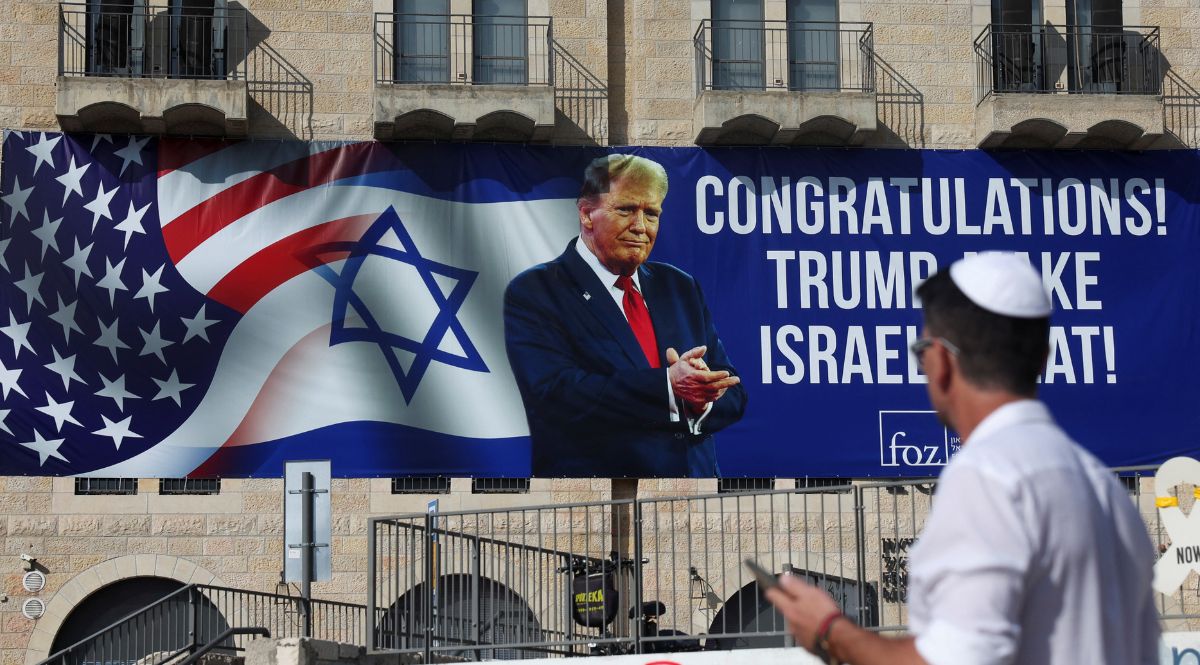
When it comes to regional conflicts, Netanyahu’s government will continue to delay diplomatic processes, as a lasting agreement capable of stabilising the situation—and the likely concessions on the Israeli side that such an agreement would entail—would run counter to the expectations of his electorate. Thus, by rejecting a compromise plan calling for the disarmament of Hamas, the prime minister maintains his narrative of being the only Israeli leader capable of withstanding international pressure. At the same time, he will seek direct support from President Donald Trump (e.g., through evangelicals) to counter criticism regarding the weakening of Israel’s international position. Israel’s military involvement in the region will continue, but most likely on a scale and in a form that will not impose high costs on the public, as this could affect the election results. Only a major escalation could lead—with parliamentary approval—to a change in the election date.
The public’s sense of disappointment and the need for change play into the opposition’s narrative, but at the same time, security issues remain the unquestioned priority for voters. Hence, while there are no proposals of radical policy changes, at the same time there has been a rhetorical escalation by opposition party leaders during the campaign. Similarly, in the realm of foreign policy, although the opposition has criticised all government actions and the deterioration of Israel’s international standing, it should be expected to maintain a policy line identical to that of the current government, including regarding relations with the US and the EU.