Constraints in the US-Israel War With Iran
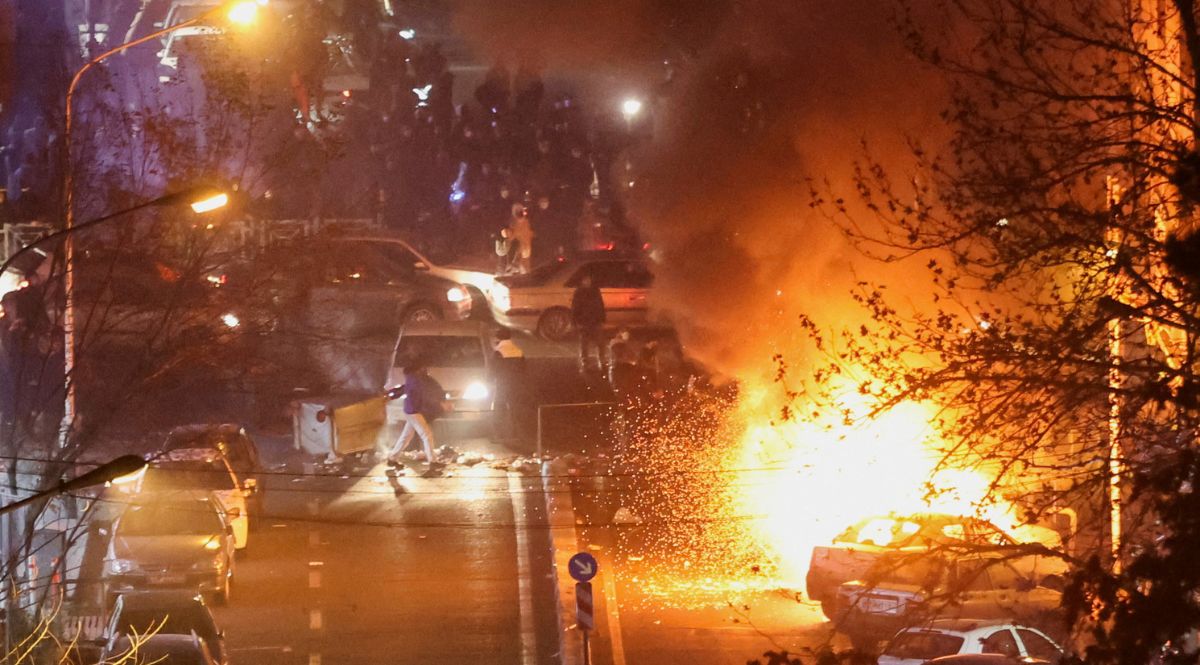
The joint US-Israel operations against Iran initiated on February 28th resulted in escalation across a broad section of the Middle East. The three main parties in this conflict are facing internal problems (political and social), uncertainties about their allies, and the prospect of exhausting their arsenals in the next 2-3 months.
 Eli Basri / Zuma Press / Forum
What are the factors limiting Iran's capabilities for retaliation?
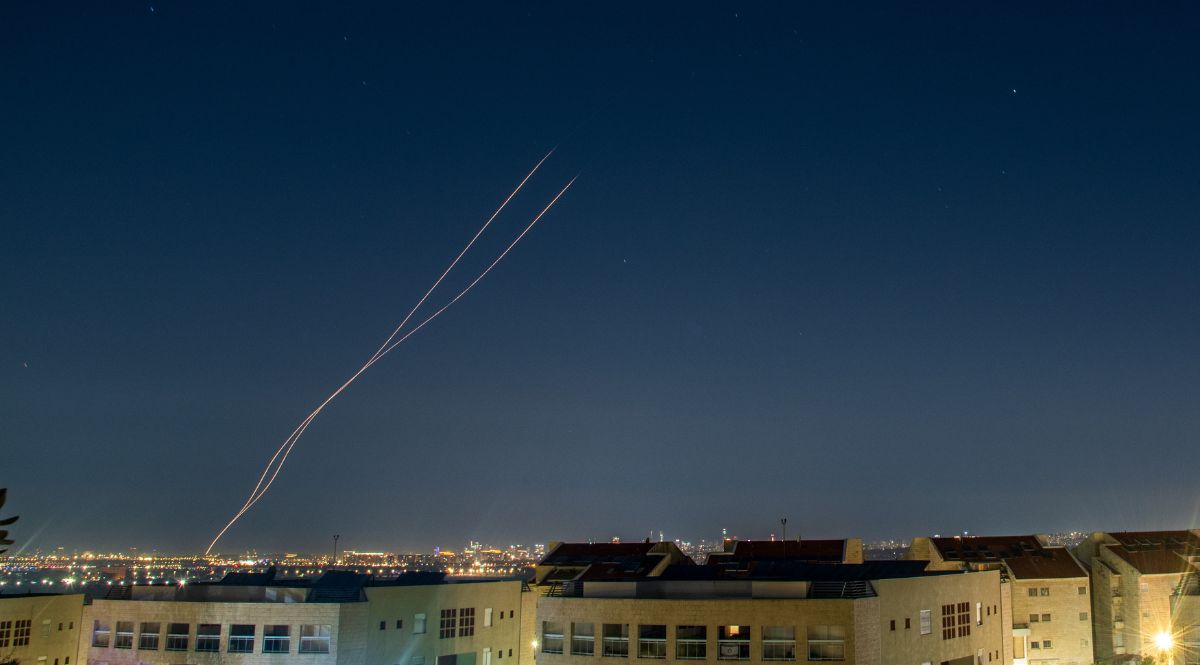
A main constraint for the government of Iran is its internal situation, already unstable before the strikes by Israel and the US. It has become even more complicated with the targeted killing of the supreme leader of Iran, Ali Khamenei and losses among the high command of the regular armed forces, Revolutionary Guard and security services. The Iranian air defence capability was already degraded by the 12-Day war of 2025, so it is currently dependent on passive defence, such as dispersal of forces and a system of bunkers. Despite some progress in the reconstitution of Iran’s ballistic missile arsenal after previous losses, US and Israeli intelligence and reconnaissance means that their air power and missile defence pose a challenge against any intense missile retaliation. During the first 48 hours of the war, Iranian missile strikes focused on Israel (200 missiles) and the US military bases in the Arab countries of the Persian Gulf (up to 300-400 missiles). At the same time, Iran more broadly used a higher volume of kamikaze drone strikes (up to 800-900), with evident targeting of civilian infrastructure and tourism centres in the Gulf and, since 2 March, on the oil sector of Saudi Arabia. Contrary to the Iranian threats made before the war, the country is unable to effectively blockade the Hormuz Straits long-term, which is a choke point for the export of oil and LNG from the region. There are also long-term economic limits to any blockade by Iran, which may not be able to afford to lose its international oil market and the damage to relations with China, which is the main importer of Iranian oil. To retaliate against the US, Iran may inspire Shia communities to riot in the Middle East and Pakistan or terrorist attacks by independent “lone wolves.” Iran may be less capable of planning and executing more challenging terrorist attacks in the US or Europe. The Iranian capabilities for retaliation on the US and Israel are also limited by the influence it has lost in Syria, and the exhaustion of the offensive potential of Lebanese Hezbollah and Yemeni Houthis. However, both of these militias will likely try to play some role against Israel. The Iranian regime cannot count on any active military support from friendly Russia or China.
What are the limits in operations of Iran?
Israel is determined to continue its multi-stage campaign of degrading and dismantling pro-Iranian proxies (The “Axis of Resistance”) in the Middle East, since 2024, also targeting the military, nuclear and missile potential of Iran. Israel’s goals are more ambitious than neutralising the nuclear-missile threat, and assume destabilisation if not full elimination of the hostile regime in Tehran. Moreover, while Israel may count on strong support from the current US administration and Republicans in Congress, Israel cannot afford to engage in prolonged, intensive and unilateral military operations in Iran. The most serious challenge for the Israeli Defense Forces might be the necessity of launching parallel operations against Hezbollah in Lebanon, especially if there is an expansion into land or special forces operations. The limits on Israel also result from the unpopularity of its prime minister, reduced societal resilience after three years of multiple wars, and rapid consumption of its own reserves of air munitions and missile interceptors. In this context, controlled regime change in Tehran is beyond Israel’s capabilities. Another barrier to this end-state is the lack of an organised and armed opposition in Iran and the weakness of émigré groups like Iranian monarchists or the radical People’s Mujahedin. However, Israel may count on the full use of the means and forces of the US (or even its further strengthening) in the Middle East. The US’s military umbrella and support allow Israel to focus on targeting the ballistic missile arsenal and leadership of Iran. Success in these areas will give hope to Israel of some form of capitulation to the USA by Iran, or at least the renewal of military operations against the regime with more favourable conditions at a later date.
What are the limits for further US operations?
Similar to the situation in June 2025, Donald Trump joined the plans and actions of Israel without debate within the US administration and without arrangements with Congress. So far, his statements on the goals of the operation against Iran are somewhat incoherent, ranging from demands of a quick nuclear compromise with Iran to the threat of regime change. Some of Trump’s comments suggest that he personally believes in a short war with Iran (up to 4-5 weeks), with the possibility of renewed strikes if the diplomatic track fails again. The President’s calculations seem to be influenced by the spectacular success of the US commando raid in Venezuela in January. However, each successive day or week of operation against Iran increases the likelihood of higher losses of troops and equipment for US forces and the necessity for deploying more forces in the region. Multiple deliberate leaks from the Pentagon to the media stress that even short US operations will exhaust the deployed arsenal of Tomahawk and JASSM cruise missiles as well as interceptors for the PAC, THAAD and SM-3 missile defence systems. A prolonged conflict in the Middle East and the slow increase of production by the American defence industry would make it necessary to exploit US strategic reserves planned for use in Europe and Asia. Despite the desire of the US president and military to avoid land and special forces operations in Iran, and a lost or captured American pilot there would have catastrophic consequences for the perception of this operation, comparable to the American public’s negative attitude toward the wars in Somalia, Iraq or Afghanistan. Moreover, it may be assumed that internal policy will be much more important for Trump, as well as preparations for the football World Cup in the US (June-July), celebrations of the 250th anniversary of independence (July), and mid-term elections to the Congress (November). Decreasing support for Trump’s presidency in public opinion polls has likely already been taken into account by Iran and Israel’s calculations.
How could the war impact the security of Europe?
Since the HAMAS attack on Israel in 2023, every successive conflict or crisis in the Middle East has diverted the attention of US and EU decision-makers from the issues of the Russia-Ukraine war. The current stage of the Israeli-Iranian conflict might distract the Trump administration from European matters and disrupt the stability of European-financed deliveries of American weapons and munitions for Ukraine. It is likely that Trump and his advisors will still be interested in reducing US land forces in Europe. In the Middle Eastern context, they would be less interested in decreasing the presence of the US naval and air forces on the Southern Flank of NATO. The paradox of the situation seems to be the fact that many factors which risk out of control escalation by the three main actors of the war also offer the potential of quicker de-escalation. Iran may demonstrate retaliation capabilities to increase the costs of an extended conflict for the US and Israel, but the priority is just to survive the strikes and ensure the unity and stability of the theocratic regime. For these and other reasons, Iran may be less prepared to deliver a broader terrorist campaign in countries of the EU, even if threats to US and Israeli diplomats or tourists should be taken seriously by the European security services. Iran might also be deterred from further long-term escalation in the terror campaign in the Hormuz Straits by the prospects of active participation in the current war by the UK and France, US security allies of the Gulf Cooperation Council and Jordan, which could result in a broader “coalition of the willing” than just the US-Israel alliance. Nevertheless, and in the case of no quick capitulation by Iran to the demands of Trump, the scenario of a much larger-scale war should be assumed, but this is likely to last no longer than 2-3 months.


.png)