ICJ Rules on UN Agencies' Activities in Israel and Palestine
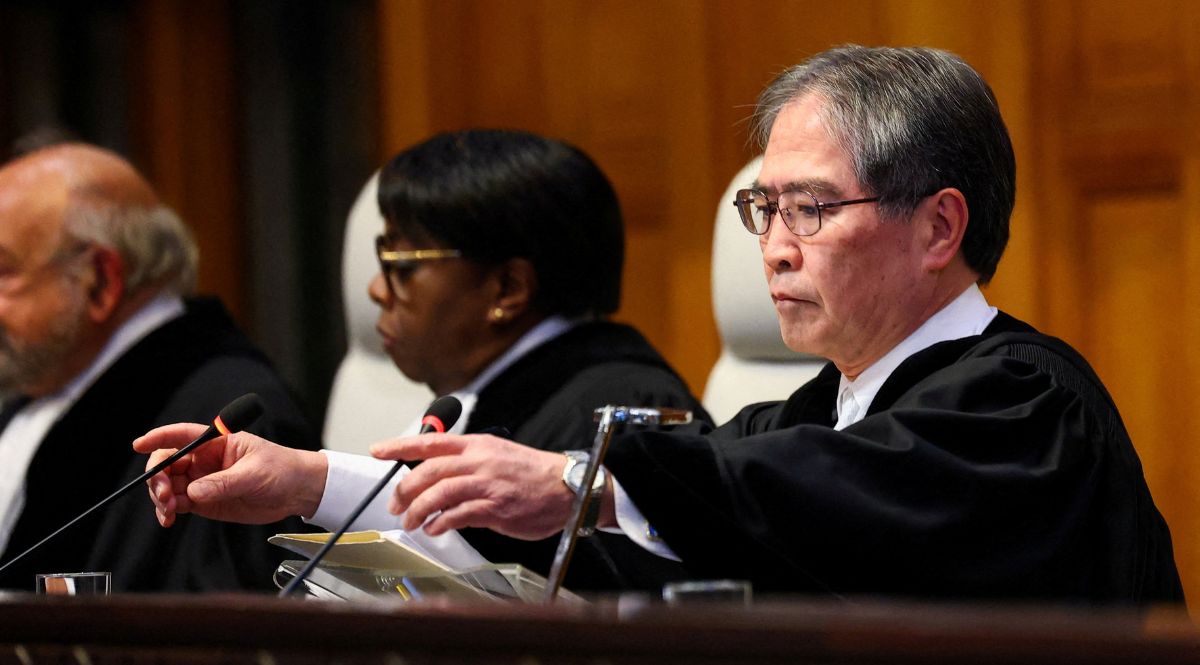
On 22 October, the International Court of Justice (ICJ) issued an advisory opinion concerning Israel’s obligations towards the UN and its agencies. Many of its findings indicate that during the war in the Gaza Strip, Israel repeatedly violated, among other things, agreements regulating the status of UN agencies and international humanitarian law.
 Piroschka Van De Wouw / Reuters / Forum Utworzony: 22.10.2025 Dodany: 22.10.2025 Fotograf:
What was the case about?
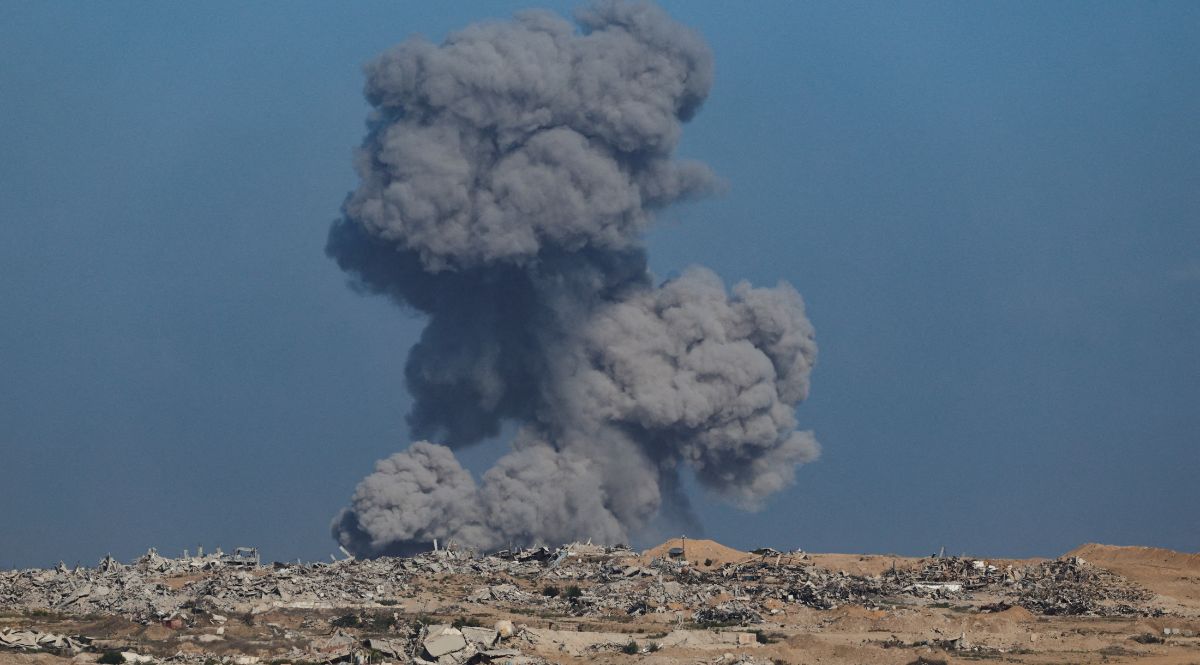
The UN General Assembly requested that the ICJ issue an opinion in December 2024 on the issue. The vast majority of UN member states supporting this initiative hoped to put pressure on Israel to change its policy towards the organisation and its agencies in the occupied Palestinian territories. This was prompted, in particular, by the Knesset’s adoption of legislation in October 2024 preventing UNRWA’s operations in Israel, and the termination of the 1967 agreement between Israel and the UN that regulated their cooperation in providing humanitarian assistance to Palestinians. Consequently, UNRWA employees were refused entry to the West Bank and the Gaza Strip after the legislation came into force in January 2025. The request made to the ICJ also concerned Israel’s failure to respect the inviolability of UNRWA employees, more than 360 of whom were killed during the hostilities. The case also involved the obstruction of the activities of other agencies and the UN itself, including Israel’s declaration of the UN Secretary-General as persona non grata in October 2023. Of interest were also restrictions on the activities of other international organisations, which followed the Hamas terrorist attack in October 2023 and resulted in a deteriorating humanitarian situation in the Gaza Strip.
What did the court rule?
The ICJ noted that Israel has an obligation to cooperate with the UN and to respect the privileges and immunities of the UN and its agencies, including the inviolability of the premises and personnel acting in an official capacity, in accordance with the Charter of the United Nations and the agreements concluded by it. Israel must also ensure their free passage to the occupied Palestinian territories, over which it has no sovereignty. Furthermore, based on Israel’s obligations under human rights and humanitarian law, including the Geneva Conventions, the ICJ ruled that Israeli authorities cannot use starvation as a method of warfare or restrict humanitarian aid or the activities of UN agencies to such an extent that it threatens the survival of the civilian population of the Gaza Strip. The Israeli authorities are also obliged to respect the special protected status of medical and relief staff and facilities. The ICJ devoted considerable space to the status of UNRWA. It rejected Israel’s allegations regarding UNRWA’s lack of neutrality in the conflict and its employees’ membership in Hamas, which Israel had used to justify its actions against UNRWA. The judges pointed out that the UN had immediately launched an investigation, which resulted in dismissing those involved in the 2023 terrorist attack and implementing corrective measures. The ICJ also emphasised that there are currently no realistic alternatives to UNRWA’s humanitarian relief.
What was the reaction of Israel and other countries?
Israel unequivocally rejected the ICJ’s opinion, upholding its previous allegations against UNRWA, including the claim of mass participation of Hamas members in the organisation’s structures, and accused the court of politicisation. The Israeli authorities announced that they would maintain the existing ban on UNRWA’s operations on their territory. The United States also supported Israel’s position. However, it is unlikely that sanctions will be imposed on the ICJ judges at this stage, as was the case with the International Criminal Court. The opinion will be used for further diplomatic and institutional pressure on the Israeli authorities by other countries involved. Norway, the main initiator of the opinion, has announced that it will work on a resolution in the General Assembly to implement the Court’s findings. The ruling may prompt some countries to restore funding to UNRWA, which they suspended during the war in the Gaza Strip after accusations were made against the organisation, or to take further steps against Israeli violations of Palestinian rights in the West Bank.
What impact does the ICJ opinion have on UN activities in the Gaza Strip?
The U.S. peace plan, which led to the introduction of an unstable truce in the Gaza Strip, obliges the parties to allow and not interfere with the delivery of humanitarian aid, which is to be distributed primarily by UN agencies. At the same time, it refers to cooperation with entities “not affiliated with either party”, which, given the continuing allegations of close ties between UNRWA and Hamas, will be used by Israel (and the U.S.) to justify further blocking its activities in the Strip. This increases the role and burden on other UN agencies (e.g., World Food Programme) and other organisations operating in the Strip (including World Central Kitchen and the Red Crescent), also in the context of pressure to shut down the activities supported by the Israeli-backed Gaza Humanitarian Foundation. The ICJ opinion may be used in the future as a basis for UN agencies, including UNRWA, to file claims against Israel for compensation in connection with the death of its employees or damage to infrastructure resulting from the actions of the Israeli army.


(2).png)
.png)