Pro-Western PAS will Retain Independent Power after Parliamentary Elections in Moldova
The results of the 28 September elections to Moldova’s 101-seat parliament will allow President Maia Sandu’s Party of Action and Solidarity (PAS) to continue ruling alone. This guarantees that the authorities will remain determined in their efforts to secure the country’s membership in the European Union and proved public support for these efforts.
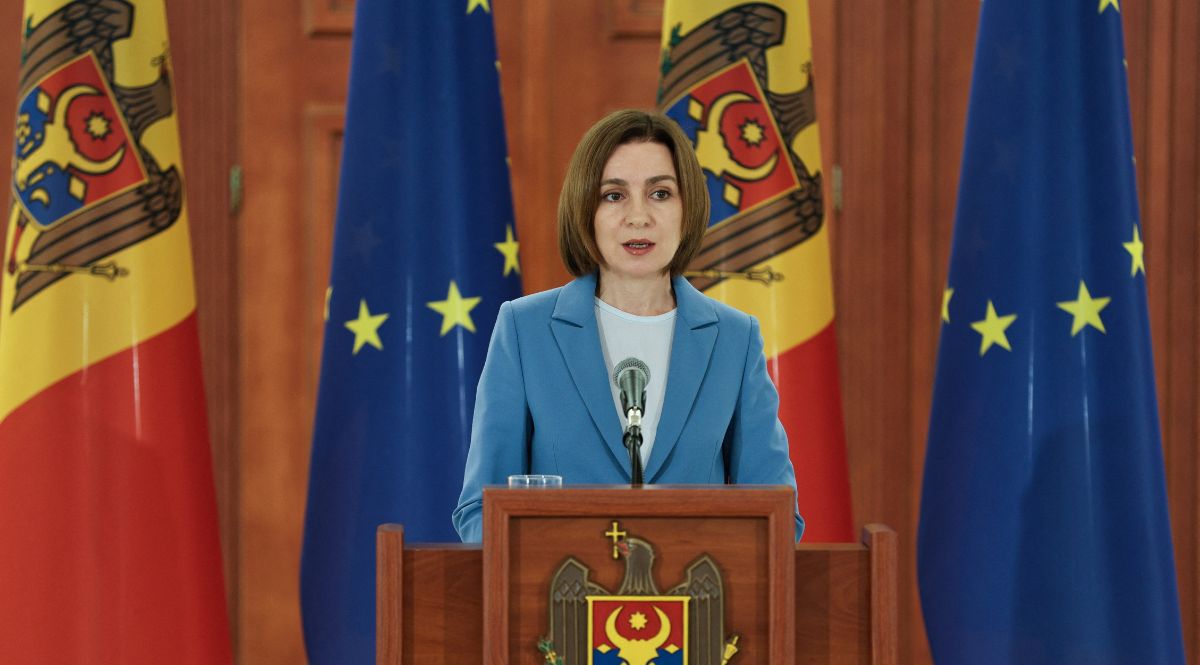 Vladislav Culiomza / Reuters / Forum
What are the election results?
With over 50% of the votes in the elections, PAS will once again have an independent majority in the new parliament, with 55 MPs (eight fewer than in the previous term). The main opposition group will remain the pro-Russian Patriotic Bloc, which won 24% of the vote, with 26 seats (six fewer). It is based on the Bloc of Communists and Socialists, which is currently in parliament and was created by the parties of former presidents Vladimir Voronin and Igor Dodon, and which was joined before the elections by the extra-parliamentary the Future of Moldova Party of former Prime Minister Vasile Tarlev. The Alternative Bloc, which won 8% of the vote and eight seats, will be a new group in parliament. It is nominally a pro-European social democratic coalition built around the National Alternative Movement party of Chişinău Mayor Ion Cebanu, but in reality it is most likely a creation of Russian services designed to take away part of the PAS electorate. The anti-establishment, moderately pro-Russian and anti-European Our Party of former mayor of Bălţi (the second-largest city in Moldova, excluding Transnistrian Tiraspol), Renato Usatiî, will also enter parliament for the first time, having received 6% of the vote and winning six seats. An unexpected surprise in the polls was the 6% of the vote (six seats) won by the unionist Democracy at Home Party, which was heavily promoted by George Simion, leader of the nationalist Alliance for the Union of Romanians, Romania’s largest opposition party.
What influenced this result?
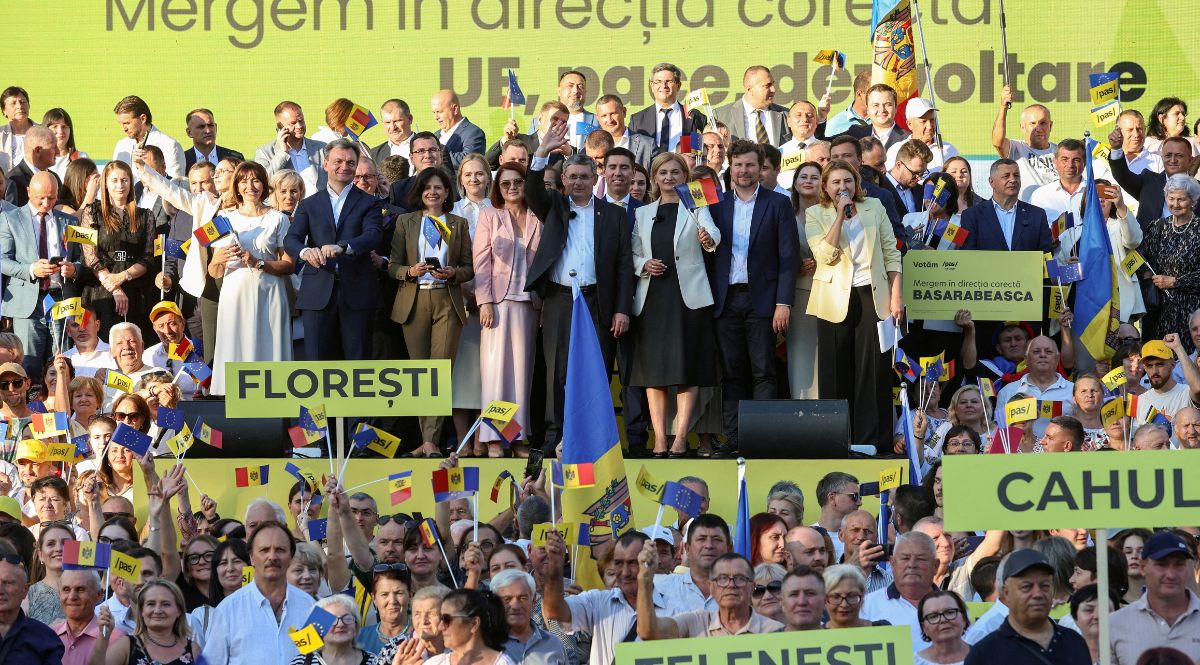
The diaspora helped PAS maintain its independent rule. It numbers more than 1 million people compared to Moldova’s 2.4 million inhabitants and lives mainly in EU countries. It cast 17% of all votes, 78% of which went to the presidential party. PAS also managed to mobilise the pro-Western electorate in Moldova itself, despite discouragement caused by the economic crisis and price increases triggered by Russia’s gas blackmail at the end of 2021 and its full-scale invasion of Ukraine in February 2022. These events coincided with the PAS government tenure, which began in August 2021. The ruling party convinced voters that a victory for the Patriotic and Alternative Blocs would not only ultimately ruin Moldova’s chances to join the EU but would also lead to returning the country to the corrupt oligarchic systems, following the model of Vlad Plahotniuc’s rule, which lasted until 2019. The participation of Transnistrian residents, who voted in special commissions in areas controlled by the central authorities, had little impact on the election result, as only 12,000 people took part in the elections (compared to 26,000 in the second round of the 2024 presidential elections), of which 51% voted for the Patriotic Bloc, but almost 30% voted for PAS.
How did Russia try to influence the election result?
Russia’s main aim with regard to Moldova remains to paralyse its European integration, which would discredit the idea of eastward enlargement among EU countries and aspiring partners. The potential destabilisation of Moldova would also pose a threat to the EU’s borders and to Ukraine’s defensive war. For this reason, Russia intensified its disinformation activities and attempts to manipulate the election results before the elections, in which, according to the Moldovan authorities, it invested as much as €350 million. Russia’s efforts were coordinated by Ilan Şor, who fled to Moscow and led a massive social media campaign in support of pro-Russian groups and against PAS. The Central Election Commission tried to counteract this by, among other things, banning two parties from participating in the elections, a decision upheld by the courts: the Heart of Moldova Party of Irina Vlah, former Bashkan (governor) of the traditionally pro-Russian autonomous region of Gagauzia, who was a member of the Patriotic Bloc, and the populist Greater Moldova Party. The reason for the bans was the illegal financing of these parties by Şor. Before the elections, the police also carried out a series of arrests and searches that hampered the network’s activities. The authorities also conducted a massive campaign warning against attempts to bribe voters—so far, there have been no reports of widespread success of this practice. It is likely that the Russian services attempted to hinder voting by the Moldovan diaspora by reporting bomb threats to polling stations in many EU cities.
What significance do the results of these elections have for Moldova’s European integration?
Only an independent PAS government will be able to implement further reforms bringing the country closer to EU membership. Any other outcome would most likely halt this process, as a potential minority PAS government or a coalition with parties that only pay lip service to pro-EU policies would be unstable and ineffective. Meanwhile, the goal of Sandu and the current cabinet of Dorin Recăcean is to join the EU by 2030. In September 2025, the government of Moldova successfully completed the so-called screening process, which lasted over a year and involved a detailed review of policies for compliance with the EU acquis. On this basis, the European Commission is likely to recommend that the Member States open the first negotiating clusters with Moldova soon. However, before this happens, EU members must agree to start a negotiations not only formally, but also in fact, which the EC has already recommended. Meanwhile, the next stages of Moldova’s membership talks have no clear prospects. The reason for this is the EU’s informal linking of Moldova’s and Ukraine’s progress. Hungary is vetoing Ukraine’s European integration, and there is no consensus within the EU on separating the two countries in the process.


.png)