Kuala Lumpur Summit - Strengthening ASEAN's International Position
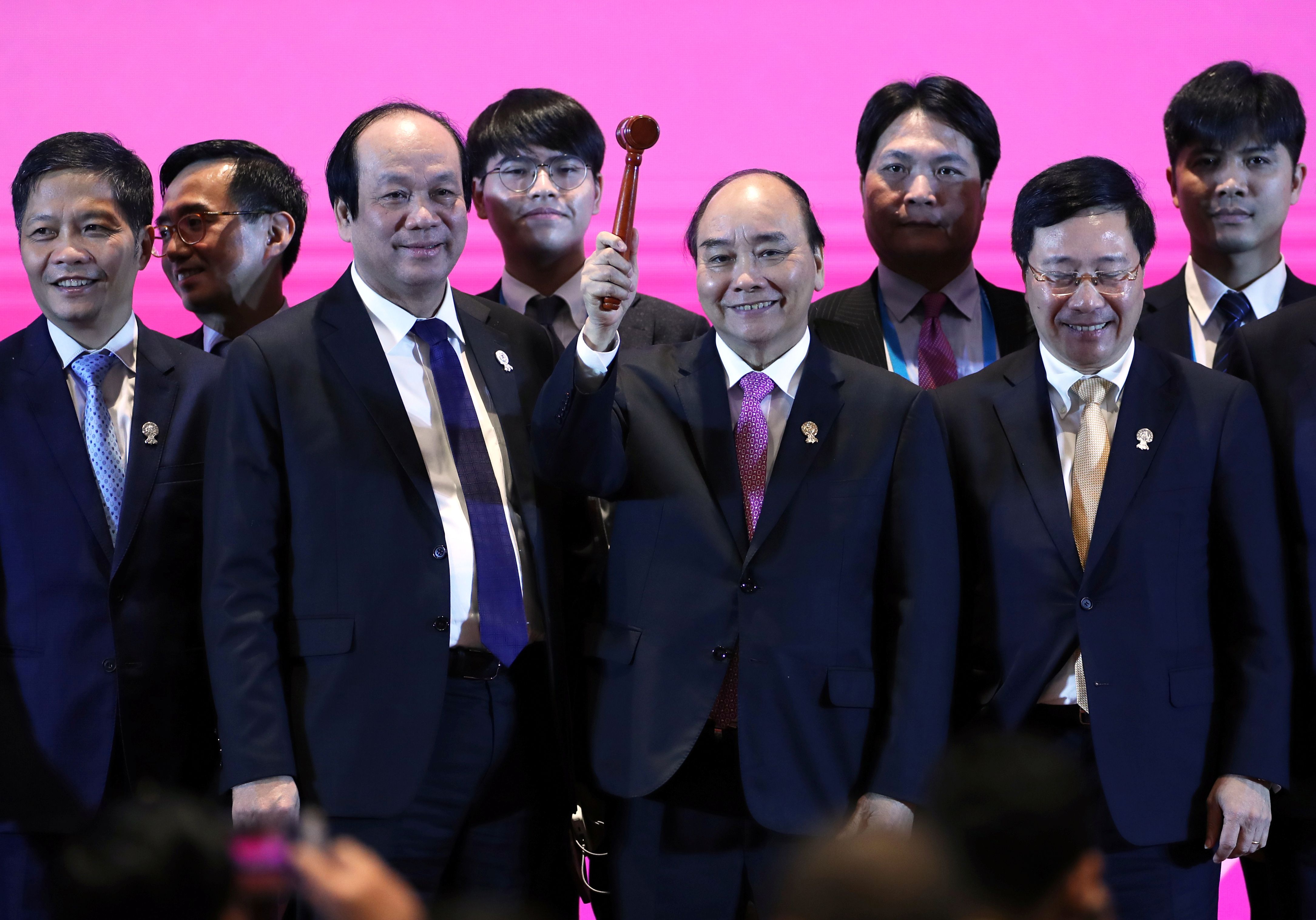
On October 26–28, Malaysia hosted the ASEAN Summit and related summits, including those in the ASEAN+3 format (with the participation of China, Japan, and South Korea). The tightening of ASEAN's relations with the U.S. and China (President Donald Trump and Premier Li Qiang were present at the summit) and the admission of East Timor to the organisation will strengthen the position of Southeast Asian countries on the international stage.
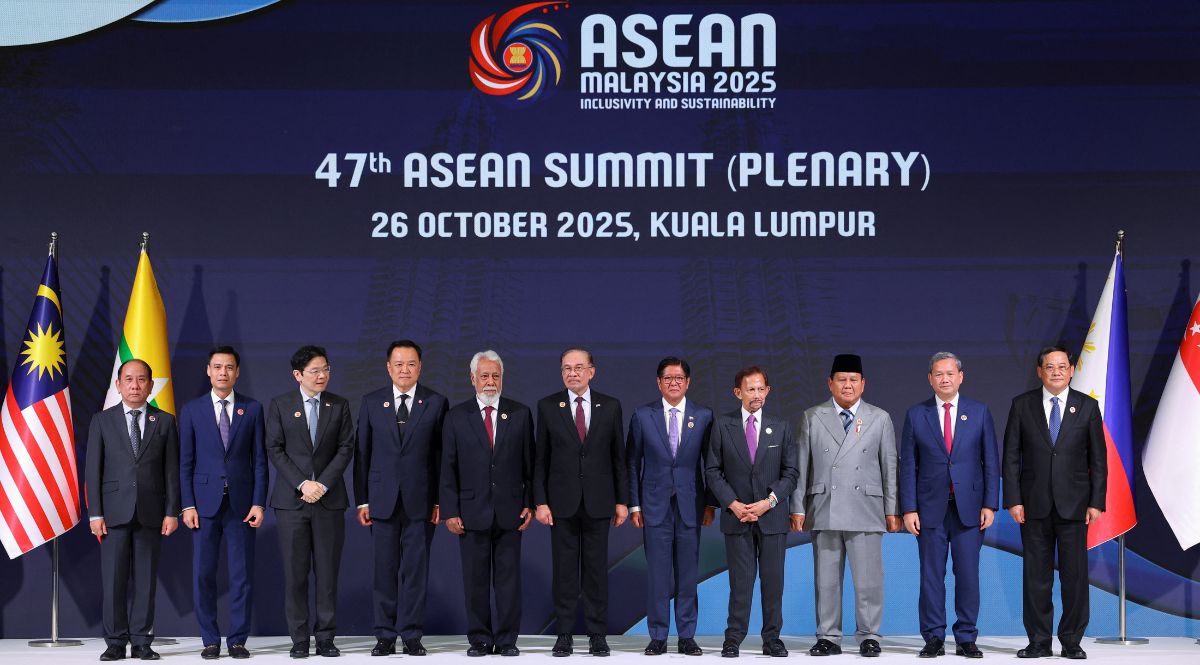 Chalinee Thirasupa / Reuters / Forum
Under what circumstances did the summit take place?
The meetings in Kuala Lumpur took place against a backdrop of trade tensions, including between Southeast Asian countries and the US over the Trump administration's introduction of so-called reciprocal tariffs. The countries of the region are also affected by the rivalry between their main trading partner China and the U.S.. This rivalry intensified in the weeks leading up to the summit in response to China's plans to introduce far-reaching restrictions on rare earth exports, to which the Trump administration responded by announcing 100% tariffs on goods from that country. Prior to the summit, talks were also held between Thailand and Cambodia over the situation on their disputed border following clashes in July this year, which left more than 40 people dead on both sides and forced around 300,000 to leave their homes. The civil war in Myanmar continues – the summit took place two months before the start of parliamentary elections planned by the military junta that has ruled the country since the coup in 2021.
What are the main outcomes of the summit?
President Trump's participation may signal increased U.S. interest in Southeast Asia as part of its rivalry with China. The U.S. has signed trade agreements with Thailand, Cambodia, Malaysia, and Vietnam (which do not reduce previously agreed tariffs but allow for exceptions to them), as well as agreements on cooperation in the field of critical raw materials with Malaysia and Thailand. However, one of the challenges will be the stability of U.S. policy and its approach to relations with China, as ASEAN countries want to cooperate with both powers. During the summit, ASEAN upgraded its trade agreement with China, which is intended to increase cooperation between the countries in areas such as digitalisation and green technologies. China wants to strengthen its influence in the region and is counting on tensions in U.S. relations with ASEAN countries. From the perspective of the states in the region, rapprochement with both the U.S. and China makes them an important element in the rivalry between those powers. The leaders of Thailand and Cambodia signed a declaration on the implementation of the ceasefire reached in July this year. This took place in the presence of President Trump, which was intended to highlight his successes in restoring peace through economic pressure (Malaysian Prime Minister Anwar Ibrahim mediated in the matter). However, the document does not resolve the causes of the territorial dispute, which may continue to cause tensions. ASEAN leaders also criticised the junta's military actions in Myanmar. This may suggest a lack of agreement on sending observers to the upcoming elections, which could have legitimised them. They also called for dialogue on the situation in the South China Sea.
What does East Timor's admission to the organisation mean?
East Timor has become the 11th member of the organisation. It is the youngest country in Asia (it gained independence in 2002) and negotiated its accession for 14 years. Its admission is the first expansion of the organisation since 1999, when Cambodia became a member. Although East Timor's population and economic potential are small (approximately 1.4 million people and less than $2 billion in GDP), the expansion is a symbol of ASEAN's inclusiveness and support for regional integration as a counterweight to protectionism. The inclusion of East Timor in ASEAN will bring new development opportunities to the country, including broader access to markets in the region, and may also promote stability in Southeast Asia and strengthen the organisation's voice in international affairs. At the same time, expanding its membership may increase the challenges associated with decision-making, which is based on consensus.
What happened on the sidelines of the summit?
An important event that took place during the summit was the talks between the U.S. and Chinese negotiating teams on trade relations. According to the U.S. side, these talks resulted in agreements on contentious issues, including China's postponement of restrictions on rare earth exports for one year and its willingness to increase purchases of U.S. goods, including agricultural products. These agreements were a preparation for the Trump-Xi meeting on October 30 in South Korea. They also increase the chances of extending the “truce” on U.S.-China trade issues and agreeing on topics that could become part of a bilateral economic agreement. On the sidelines of the summit, President Trump also spoke with the Brazilian president, which may pave the way for a trade agreement between the U.S. and a country subject to 50% U.S. tariffs. There was also a summit of the countries forming the Regional Comprehensive Economic Partnership (RCEP), the world's largest free trade area (accounting for about 30% of global GDP), in which all ASEAN countries are involved. This, together with the upgraded agreement with China, shows the openness of ASEAN and its partners to reducing trade barriers.
What is the significance of the summit for ASEAN-EU relations?
The European Union, represented by European Council President Antonio Costa, participated in the ASEAN summit for the first time. This demonstrates the desire of the world's two largest integration blocs to strengthen their relations. The participation of the EU representative complements this year's achievements, including the conclusion of negotiations of a trade agreement with Indonesia (agreements with Singapore and Vietnam are already in force) and the resumption of negotiations with Malaysia. Costa pointed out that the goal of both sides should be to upgrade bilateral relations to a comprehensive strategic partnership by 2027 (they have been at the level of a strategic partnership since 2020). The two organisations can work more closely together in many areas (the EU is ASEAN's third largest trading partner and the third largest source of investment in the region), including increasing the diversification and resilience of supply chains, e.g., critical raw materials. This would strengthen the economic security of the EU, including Poland, and reduce ASEAN's dependence on economic relations with the U.S. and China. However, for the EU to compete effectively with other actors interested in developing relations with ASEAN countries, bilateral actions are needed, e.g., within the framework of the EU's Global Gateway project.