ASEAN Countries' Reactions to Russia's Invasion of Ukraine
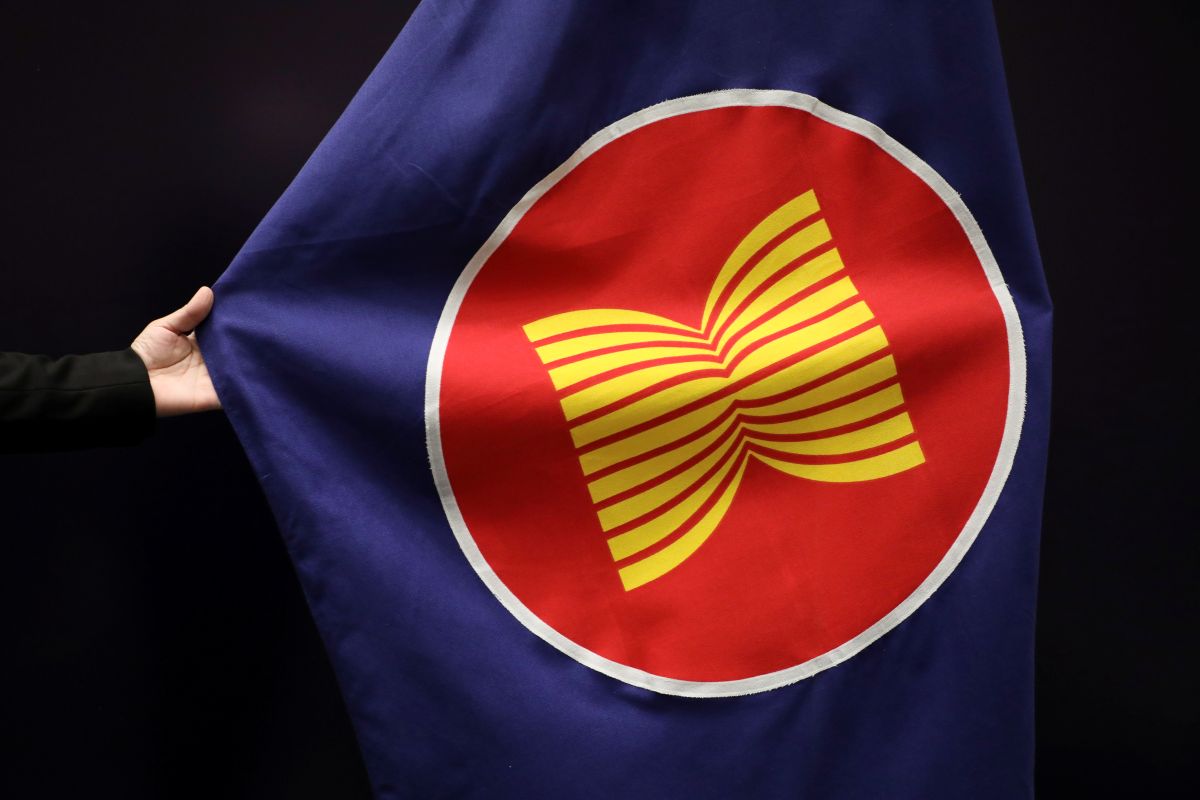
The approach of individual members of the Association of Southeast Asian Nations (ASEAN) to the Russian aggression varies and is reflected in the indecisiveness of the entire organisation. In the context of ASEAN’s underlying principles, including sovereignty and territorial integrity, such a stance could damage its reputation as a defender of the rules-based international order. The conflict in Ukraine may also affect ASEAN countries, for example, through turbulence in the world economy.
 LIM HUEY TENG/Reuters/Forum
What is ASEAN’s position on the Russian invasion?
The organisation’s stance so far is relatively weak and ambiguous, which results from its functioning logic on the basis of consensus. In a statement on 26 February, the foreign ministers of the 10 member states expressed that they are “deeply concerned” about the situation in Ukraine and called for “dialogues through all channels” to reach a “peaceful solution”. In the document, the ministers did not identify Russia as the aggressor and did not mention possible sanctions, but stressed that the “sovereignty, territorial integrity and equal rights of all nations” should be respected. On 3 March, ASEAN foreign ministers issued another statement, this time calling for a ceasefire in Ukraine in the face of the worsening humanitarian situation. Again, however, Russia was not identified by name as the party starting the war. The organisation’s reaction shows that it wants to remain relatively neutral in disputes between the great powers (in this case, between Russia and the U.S., which supports Ukraine). At the same time, the ASEAN countries are focused on the evacuation of their citizens from Ukraine.
What are the positions of individual ASEAN members?
Members of the organisation differ in their assessment of Russia’s actions and the form of their response. In a vote on 2 March in the UN General Assembly (UNGA), Brunei, Cambodia, Indonesia, Malaysia, Myanmar, the Philippines, Singapore, and Thailand backed a resolution condemning the Russian aggression, while Vietnam and Laos abstained. It should be noted that Myanmar is still represented at the UN by a representative of the democratic authorities toppled in the military coup in February 2021, and not the current ruling junta (which expressed support for Russia).
Singapore has adopted the most resolute position towards Russia. This country introduced, among others, a ban on cooperation between Singapore-based entities and four Russian banks (including freezing the banks’ assets and the suspension of cryptocurrency transactions), as well as the provision of services to the Russian central bank and the government as well as to entities acting on their behalf. Singapore has also banned the export of some strategic products, including military and electronic equipment, to Russia as the aggressor state. Due to Singapore’s position as an important global financial centre, these restrictions may be severe for Russia, for example, in the context of the possibility of circumventing sanctions imposed by the EU or the U.S. However, most ASEAN members do not intend to join the sanctions. Malaysia stated it will support them if they are introduced by the United Nations. Indonesia did not directly condemn Russia (neither did the Philippines or Vietnam) and considers sanctions an ineffective means to end the conflict. The Cambodian and Thai authorities have indicated that only negotiations can solve the crisis, but did not indicate that it was caused by Russia.
What are the reasons for the approach of some of the countries?
The primary reasoning is related to the state of each member’s bilateral relations with Russia. Although Russia is not the ASEAN’s leading economic partner (bilateral trade in 2020 was worth around $15 billion, down from $20 billion a year earlier), there are areas in which it plays an important role. For example, Russia is the main supplier of weapons to Vietnam (over 80%, with some of it produced under Russian licenses), as well as to Laos (over 40%) and Myanmar (Russia has been its largest exporter of arms since the junta took power and supports it politically). The supply and servicing of weapons is particularly important for Vietnam, especially in the context of its disputes with China in the South China Sea. The Vietnamese position—abstaining from voting in the UNGA, and not supporting Russia—may result from, among others, concerns over antagonising the U.S., with which Vietnam has been tightening relations in recent years with the backdrop of China’s actions in the Indo-Pacific. Cambodia’s support for the UNGA resolution and Laos’s abstention (both close partners of China) may indicate that China is not building a coalition defending Russia. Indonesia’s restrained attitude may result from its long-term policy of not engaging in disputes with the great powers, maintaining cooperation within the G20, which it is leading this year, and because 16% of its armaments are of Russian production. Some countries in the region, including Vietnam, Indonesia, and Malaysia, are linked by joint energy projects with Russian entities (including Gazprom and Rosneft). Singapore’s attitude stems from its recognition of violations of international law as a dangerous precedent and a threat to its security.
How will the war in Ukraine affect the ASEAN countries?
The conflict will indirectly affect the members of the organisation, mainly economically. This is related to the sanctions imposed on Russian entities, as well as the limitation of trade with Russia and Ukraine. Although Russia exports relatively little oil to ASEAN countries, the global increase in crude oil prices may exert inflationary pressure in the region. This may spill over into shortages and an increase in the prices of food and fertilisers, as Russia, Belarus (which is also under the sanctions), and Ukraine are important suppliers to the region (e.g., wheat to Indonesia and the Philippines). Supply chains in industries such as the automotive industry in Thailand, which uses raw materials from Russia and Ukraine, will also be disrupted. These difficulties will weaken economic growth in the countries of the region and make it more difficult for them to overcome the crisis caused by the COVID-19 pandemic. In view of the reluctance of most ASEAN countries to impose sanctions on Russia, it is possible they will maintain cooperation with Russia in the energy sector, among others. For example, the Malaysian Petronas has for the time being announced that it will continue its projects with Gazprom.
How might ASEAN’s reaction affect its international position?
ASEAN’s hesitant response, both by the organisation as a whole and its individual members, to Russia’s attack on Ukraine may strain its relations with states strongly condemning Russia’s actions, as well as reduce the security level of the countries in the region. The internal differences and ambiguity in actions to defend the principles of sovereignty and territorial integrity may undermine ASEAN’s central position as the builder of order in the Indo-Pacific based on international law—this important role is emphasised not only by the organisation itself, but also by the EU, U.S., and others. Its stance will weaken the voice of the organisation in the face of disputes in the Indo-Pacific. An ineffective response to Russia’s aggression may, for example, affect China’s actions in relation to areas where it has territorial claims. This applies to Taiwan, the East China Sea, as well as the South China Sea, where China is involved in disputes with several ASEAN countries.
In the longer term, an important signal proving ASEAN’s approach to Russia will include its position on further participation in regional cooperation forums, such as the Regional ASEAN Forum, East Asia Summit, or APEC, as well as maintaining Russia’s status as an Association dialogue partner. In view of ASEAN’s efforts to maintain the broadest possible dialogue on security in the Indo-Pacific, the organisation may be expected to refrain from actions aimed at excluding Russia from these formats.