Iran and the US have reached an agreement aimed at ending the war
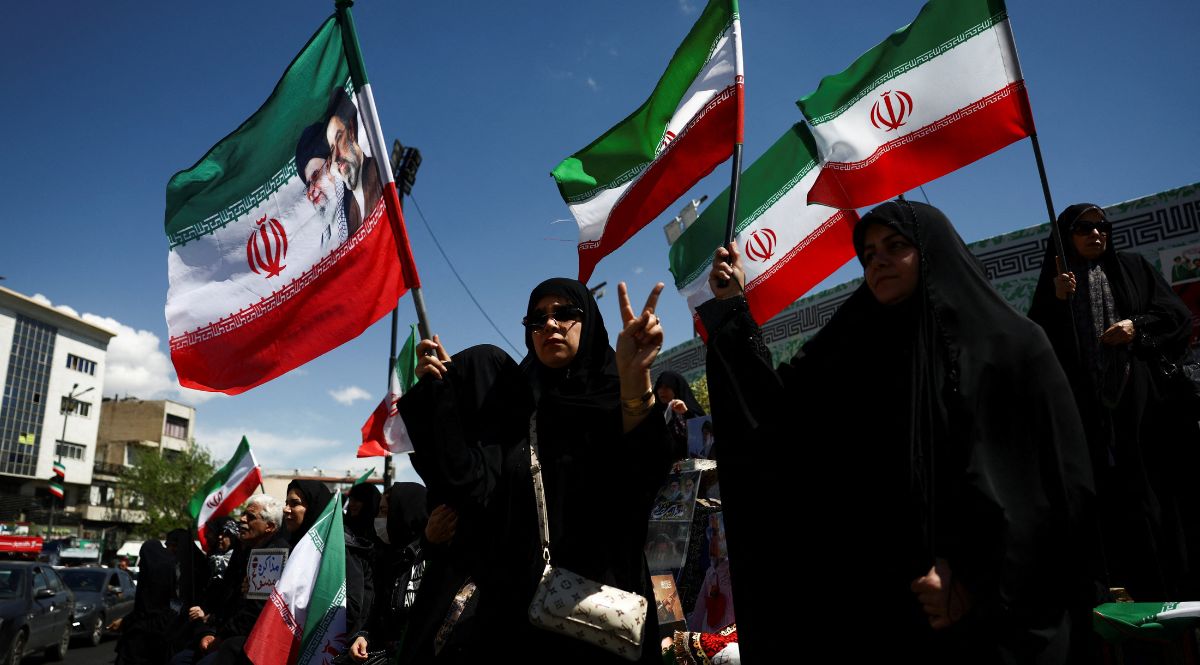
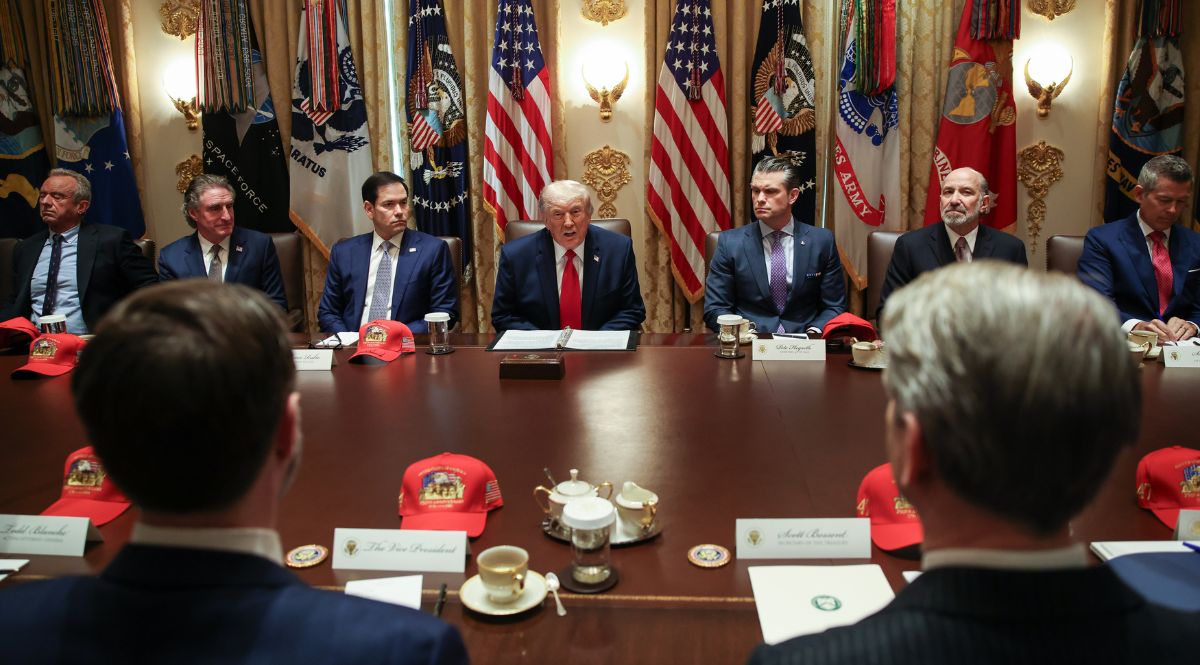
On 14 June, Iran confirmed the finalisation of an agreement with the US, to be signed in Geneva on 19 June. The deal paves the way for comprehensive negotiations on lasting peace, the future of Iran’s nuclear programme, sanctions and the presence of US forces in the region.
 MediaPunch BACKGRID Backgrid USA Forum
What does the agreement entail?
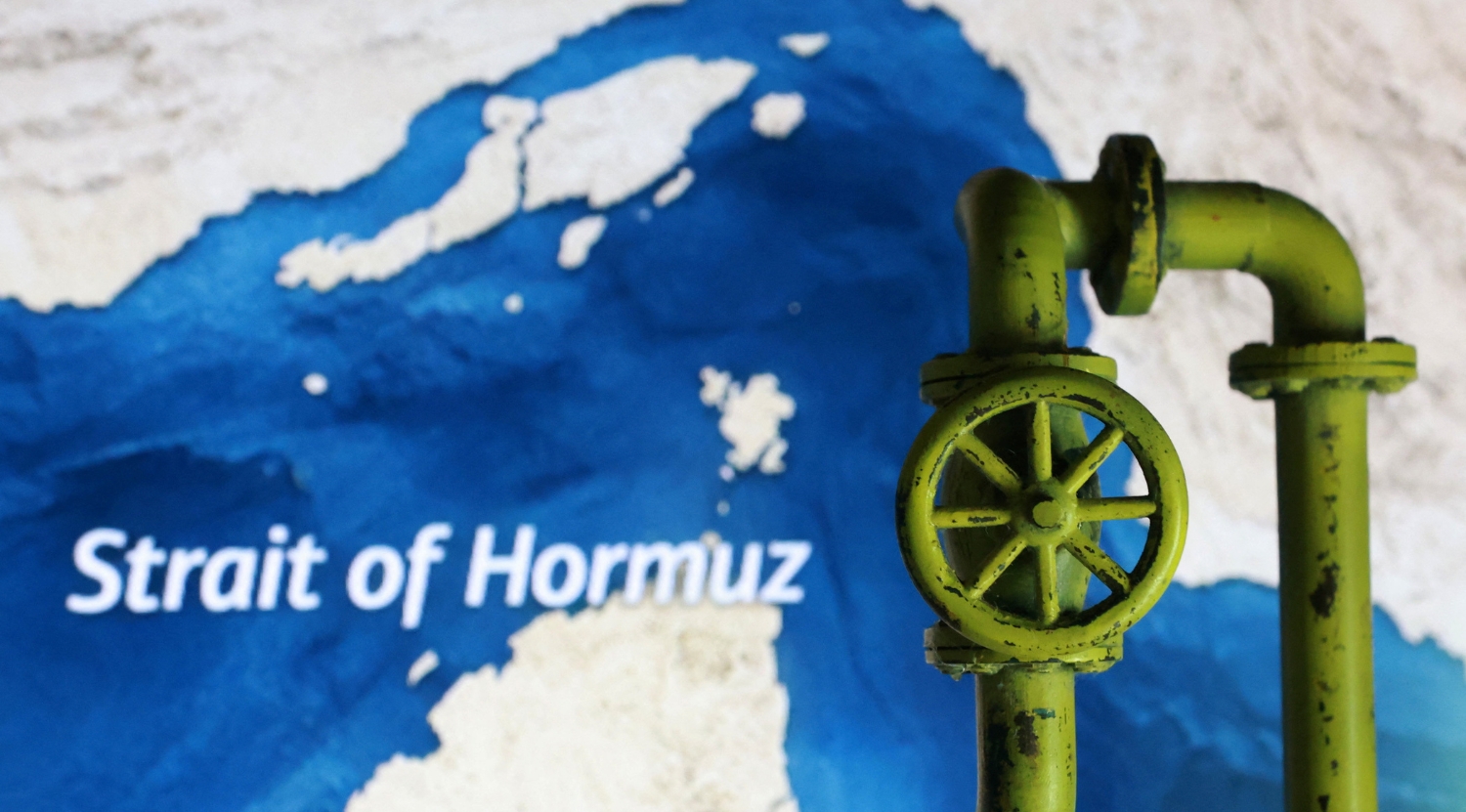
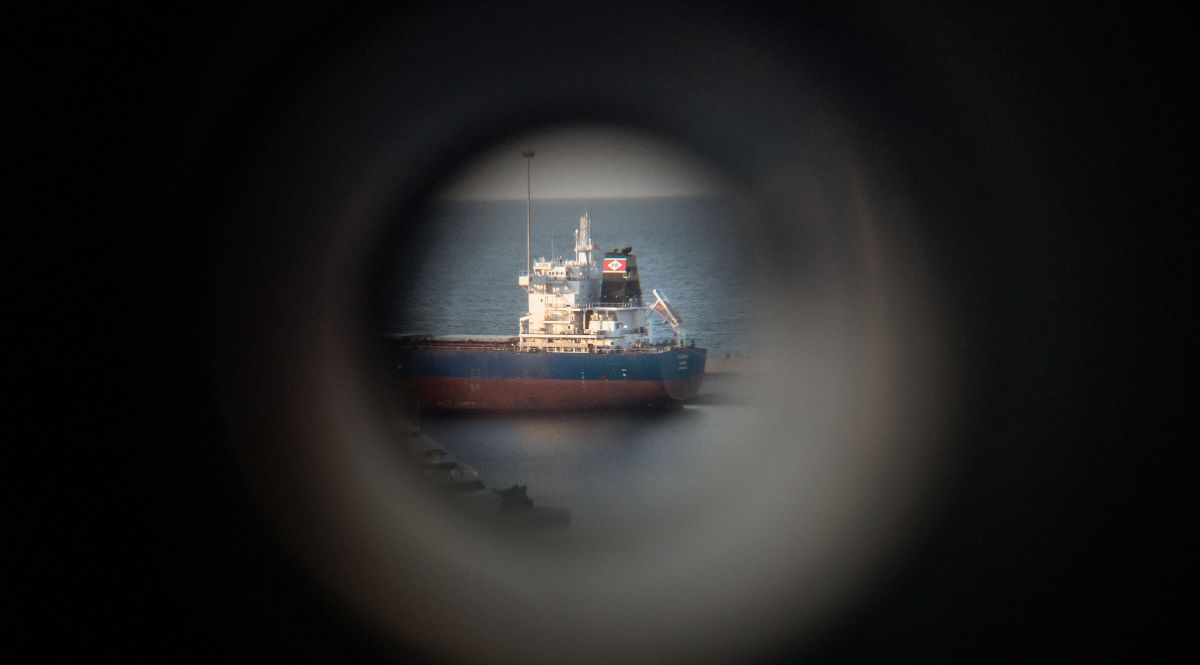
The official text of the memorandum of understanding has not yet been made public. According to statements from the parties involved, the most significant point is a commitment to cease all hostilities, including the armed struggle in Lebanon. Furthermore, the Strait of Hormuz is to be opened to shipping, and the US naval blockade is to be lifted. Another key part of the agreement is the lifting of sanctions imposed on Iran, though both sides have as yet not issued a joint statement regarding the details. The future of the Iranian nuclear programme also remains unclear, although there have been claims that Iran has pledged not to acquire nuclear weapons.
Following the signing of the agreement, a two-month phase of technical negotiations will begin, during which detailed issues concerning sanctions and restrictions on uranium enrichment will be discussed. This means that the announcement of the memorandum does not signal the end of the conflict, although it paves the way for its resolution. The most contentious elements of any future peace agreement have not yet been worked out. If the parties continue to make maximalist demands, it is likely that the upcoming negotiations will reach an impasse, particularly over Iran’s nuclear programme and the management of the Strait of Hormuz, including potential shipping fees.
How will recent events affect the war in Lebanon?
As in April’s talks, the war in southern Lebanon will remain the most sensitive issue in the agreement. Israel was not a party to the negotiations and sees the conclusion of an agreement at this juncture as disadvantageous, as it has not yet managed to neutralise Hezbollah. Itamar Ben-Gvir, the Minister of National Security, criticised the deal, stating that the US-Iranian arrangements are not binding on Israel. It is therefore likely that attacks will continue, primarily on targets in southern Lebanon, as will the occupation of Lebanese territory. If Iran decided to retaliate, escalating on the Lebanese front, it could jeopardise the peace process. A resumption of hostilities would most likely lead once again to a low-intensity conflict in the Persian Gulf and an intensification of Israeli attacks across Lebanon, and talks between the US and Iran would be blocked until military operations ceased.
Will the Iran-US agreement alter the balance of power in the region?
For the Gulf states, the agreement will be beneficial in the short term thanks to an improvement in the regional security situation. Despite a formal ceasefire, until now, the Gulf has been targeted by Iranian attacks. For Qatar, Kuwait and Bahrain, reopening of the Strait of Hormuz will be equally important, as these states have no alternative export routes to bypass it. Nevertheless, the survival of the Iranian regime means that the Gulf Cooperation Council will have to rebuild its relations with this administration, likely with less involvement from its American ally. Iran has demonstrated that it can exert significant pressure on the Arab states in the region through the control of the region’s most vital trade route and its ability to significantly destabilise the security situation on the Arabian Peninsula. Consequently, its regional importance and bargaining power will be increased, potentially leading to securing Arab funds for the country’s reconstruction.
What consequences will the agreement have for Europe?
From a European perspective, de-escalation in the region is a positive development. In particular, the reopening of the Strait of Hormuz will ease pressure on European and global energy markets. Once detailed arrangements regarding the future of Iranian-American relations have been worked out, it should be possible to lift European sanctions on Iran. The UK, France, Germany and Italy have indicated that they are ready to do so, but at the same time have emphasised that preventing Iran from producing nuclear weapons remains the key issue. European countries are also poised to join naval mine-clearing operations in the Strait.
If the US and Iran reach a lasting agreement, it opens a path to gradually thaw European-Iranian relations, particularly in terms of trade. However, Iran remains a destabilising factor in the region, an ally of Russia, and a country committing gross human rights violations, a situation which precludes any deeper rapprochement with Europe.