A fragile ceasefire between Iran, the US and Israel
The two-week ceasefire announced on the night of 7–8 April 2026 is a prelude to difficult negotiations with no guarantee of success. The security situation in the region will remain unstable, and the relief for the global economy will not fully mitigate the negative consequences of the military actions to date.
 Majid Asgaripour / Reuters / Forum
What happened on the night of 7–8 April 2026?
Just before the US ultimatum was due to expire, a two-week ceasefire was announced. According to Tehran, it is based on ten preliminary Iranian proposals to be negotiated on 10 April, with—as has been the case previously—Pakistan acting as mediator. These proposals include, among other points, the cessation of military operations, preservation of Iranian control over the Strait of Hormuz, and concessions from the US regarding the lifting of sanctions. It is unclear what Iran’s starting position will be on the nuclear issue—the United States, however, expects Iran to end uranium enrichment activities.
What does de-escalation mean for the security situation in the region?
Although both sides have announced a cessation of hostilities, doubts about the success of the ceasefire emerged within its first few hours. According to Pakistani mediators, the deal also covers Israeli military operations in southern Lebanon, but Israel has denied this, stating that its operations there will continue. The Lebanese front is the most sensitive point of the agreement, as further Israeli attacks could prompt Iranian and Shia militias in the region to continue military operations. The security situation in the Arabian Peninsula states, several hours after the ceasefire was announced, has not yet stabilised. Since the morning of 8 April, Bahrain, the UAE and Kuwait have reported further interceptions of missiles and drones. Nevertheless, even an unstable preliminary agreement opens possibilities for seeking diplomatic solutions to the conflict. Their success and durability will, however, depend on several factors: from the composition of the negotiating delegations, through the stance of Israel and the Gulf states, to the ability to reach a compromise on the two most crucial issues: Iran’s nuclear capabilities and the security of the Strait of Hormuz.
Will the ceasefire affect the global economic situation?
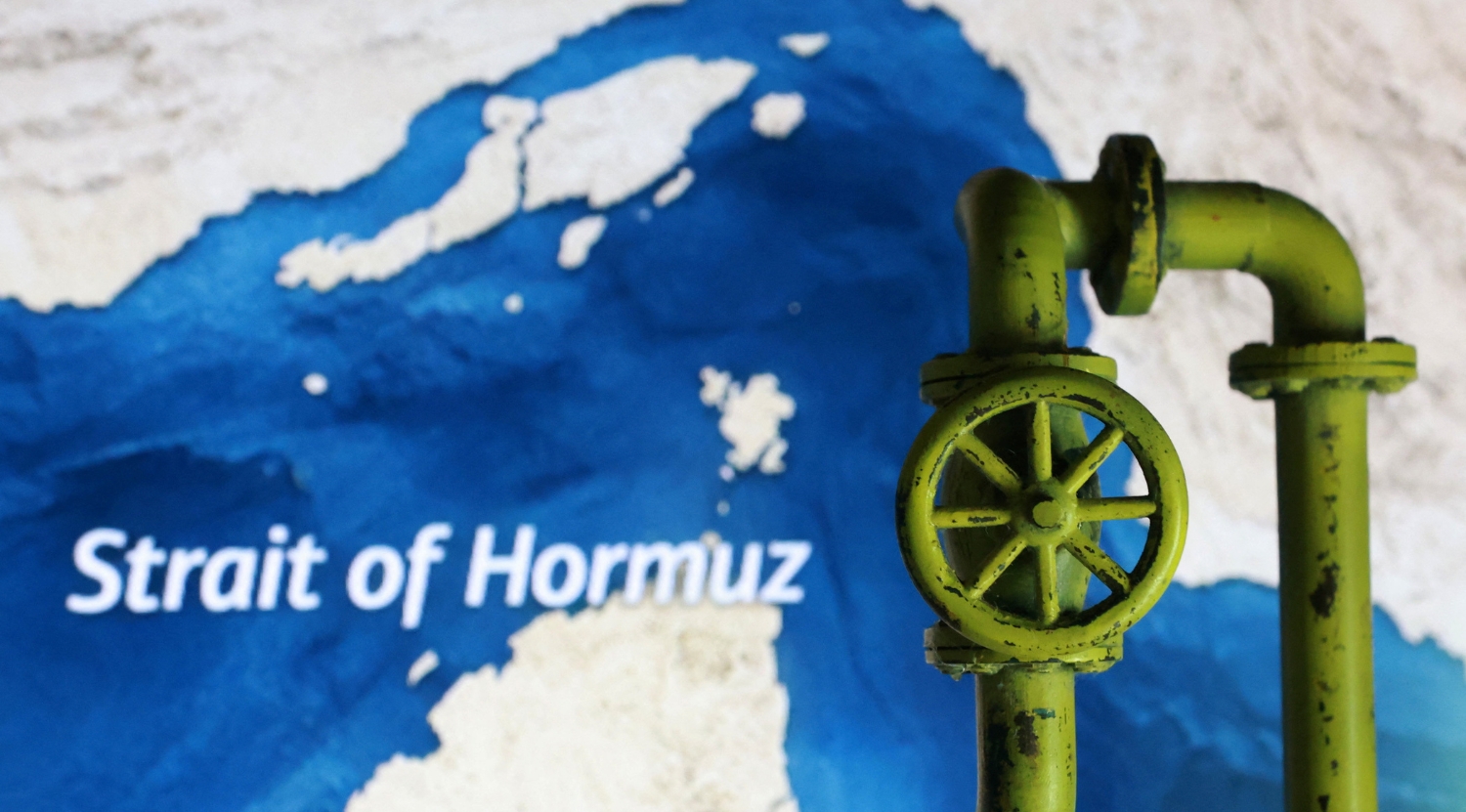
During the negotiations, Iran will seek to maintain control over the Strait of Hormuz, which will keep the Gulf states in a very disadvantageous position—primarily Kuwait, Qatar and Bahrain, which have no alternative export routes, and also the UAE and Saudi Arabia. The release of goods from the Gulf should, however, bring moderate relief to the oil and gas markets, as well as to the fertiliser market, which is becoming increasingly important given the deteriorating global food security situation. The reopening of the Strait will not, however, be able to mitigate the effects of over a month’s worth of bombing of the region’s energy infrastructure. Even in the most optimistic scenario, assuming that the 7 April ceasefire leads to a definitive end to the armed conflict, for at least several months, oil prices will remain higher than they were prior to 28 February 2026. The outlook for the liquefied natural gas market is even less optimistic, as the damage to Qatar’s LNG plant in Ras Laffan in March has significantly reduced the country’s production capacity for up to five years.
What role will Europe play?
The ceasefire has been welcomed by world leaders, for whom the economic consequences of the war are a pressing concern. For Europe, the most important outcome will be the restoration of shipping through the Strait of Hormuz, which will improve energy security in the region. Visits by Kaja Kallas and Keir Starmer to the Gulf states are intended to support efforts to find a lasting solution to this issue. European countries will prioritise diplomatic pressure to avoid the need for military protection of the strait. Nevertheless, the slim chances of a stable, long-term agreement being reached between Iran and the United States mean that building alternative supply chains should remain a priority even for regions geographically distant from the epicentre of the conflict.


.png)