Beijing Showcases Key Relations at Historic Military Parade
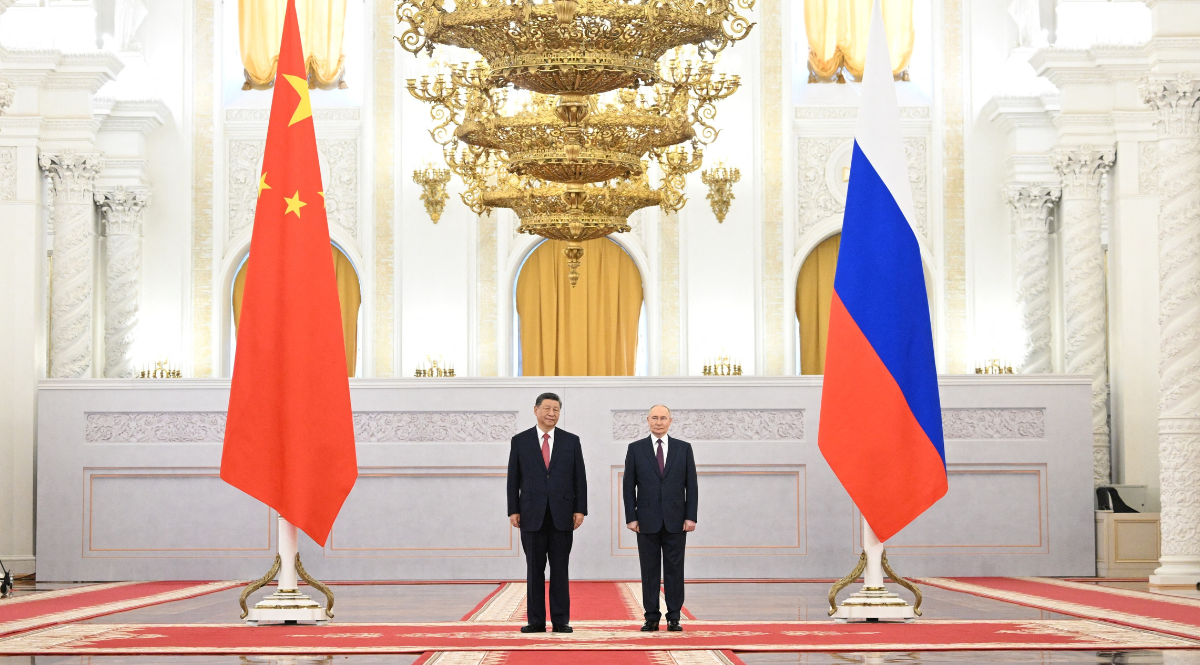
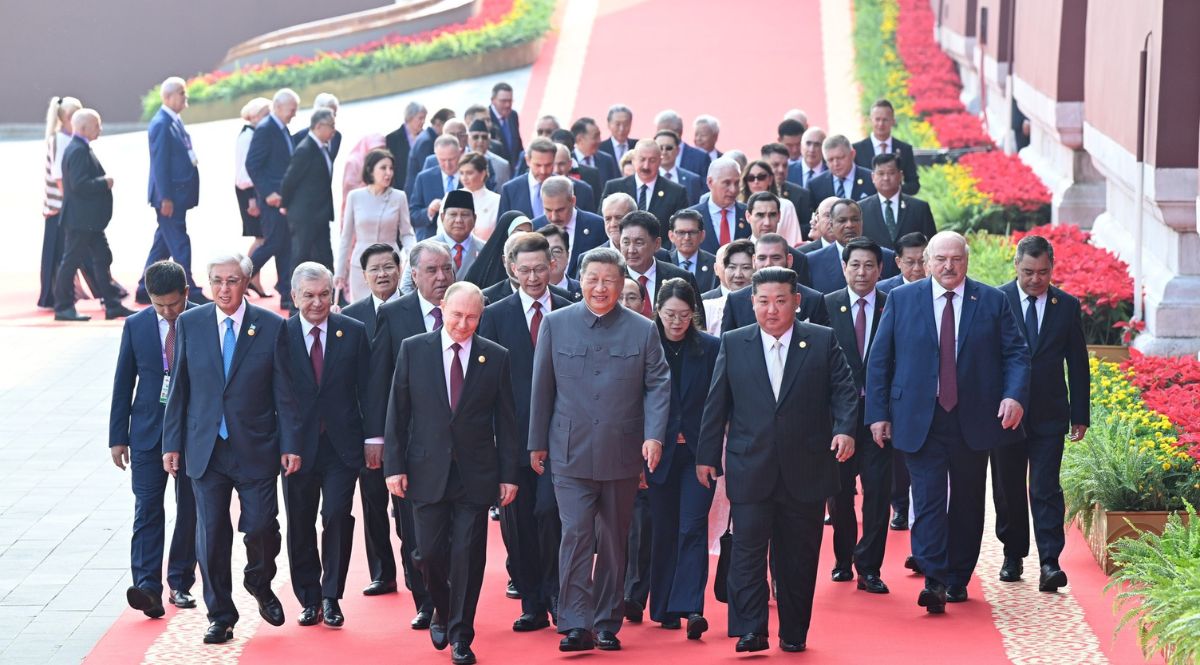
A military parade held on 3 September to mark the 80th anniversary of the end of World War II in Asia and attended by the leaders of Russia, North Korea, Iran, Belarus, and others represented China’s strengthening cooperation with these countries. It was intended to serve China in its rivalry with the U.S. and confirm its status as the leader of the Global South and its efforts to modify the international order.
 Zuma Press / Forum
What goals did China achieve with the parade?
China succeeded in strengthening its image as the leader of the anti-Western group of countries, as demonstrated a few days before the parade at the Shanghai Cooperation Organisation (SCO) summit in Tianjin. It also presented itself as a country with modern armed forces (including hypersonic weapons), but focused on stability and development, and, in opposition to the United States, ready to cooperate in the fields of modern technology and security, for example. Strengthening relations with Russia, Iran, and Belarus in particular, as well as others, is important for China in the context of its rivalry with the U.S., but also for the promotion of Chinese international initiatives. The participation of the leaders of these countries in the parade also allowed China to reinforce its rhetoric—convergent with that of Russia’s—regarding its version of the history of World War II, which both countries emphasised in strategic documents in 2022-2025. This is significant because China (together with Russia) employ rhetoric today about the need to continue the fight against fascism, which they use towards their enemies and rivals. It serves to justify Russian aggression against Ukraine and Chinese demands regarding Taiwan. Recently, the political environment of the Taiwanese president was described in The People’s Daily, the press organ of the Chinese Communist Party, as pursuing “Nazi-like” policy.
What did Putin achieve?
During his visit to China, the Russian leader presented himself as important and was welcomed with honours on the international stage, consistently building the anti-Western coalition aimed at changing the global security architecture. This was demonstrated by the numerous meetings Putin held on the margins of the SCO summit in Tianjin, and in Beijing, as well as his honorary status as a guest at the parade. Putin also reiterated the conditions under which Russia would cease military operations in Ukraine, emphasising, among other things, its non-acceptance of Ukraine’s accession to NATO. This shows that the Russian side is not ready for any compromise on peace agreements. From the Russian perspective, an important result of Putin’s four-day visit to China, during which he met with Chinese President Xi Jinping, among others, was the signing of a memorandum on the construction of the Power of Siberia-2 gas pipeline (details of which, including investment financing, have not yet been disclosed) and the trial introduction of visa-free travel to China for Russian citizens.
What were the results of the Belarusian leader’s talks?
Alexander Lukashenka’s primary goal was to attract new Chinese investment to Belarus, which was evident not only during his meeting with Xi but also during talks with representatives of Chinese businesses. Lukashenka has been pursuing this aim for years, trying to reduce the Belarusian economy’s dependence on Russia, at least to some extent. The Belarusian authorities have also signalled their desire to develop military cooperation with China, intending to strengthen the capabilities of the Belarusian arms industry. Lukashenka used his participation in the parade and numerous meetings with leaders of other countries during his visit to China to strengthen his international political position and to emphasise that he is the recognised president of Belarus and one of the leaders of the anti-Western coalition.
What was the purpose of Kim Jong-un’s participation?
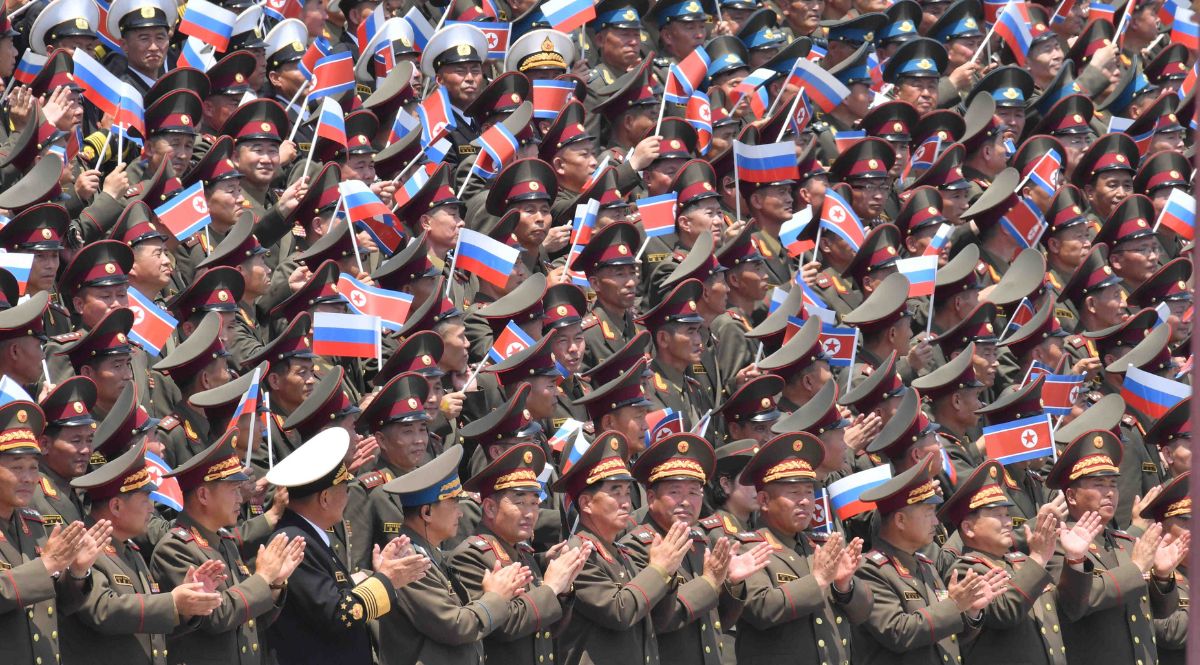
The North Korean leader attended the international event in Beijing alongside many other leaders for the first time since coming to power in 2011. This was intended to reinforce the image of North Korea as a “normal” country that is not isolated on the international stage. Sitting on the podium with Xi and Putin reinforced the message that the North plays an important role alongside China and Russia among the countries competing with the U.S. and its allies. Kim’s first visit to China since 2019 demonstrated the mutual need to restore high-level contact. China may have been concerned that the absence of such interactions, coupled with the deepening of North Korea’s cooperation with Russia, could diminish its influence on the Korean Peninsula. For its part, North Korea was keen to secure continued economic support from China. Meanwhile, Kim met separately with Putin, which demonstrated North Korea’s determination to strengthen its alliance with Russia, including providing further support for Russia in its war against Ukraine. Closer cooperation with China and Russia may also be intended to strengthen North Korea’s position ahead of a possible resumption of talks with the Trump administration.
What is the international significance of this event?
Both the parade in Beijing and the preceding SCO summit in Tianjin are part of a strengthening of cooperation between this group of countries aimed at decreasing the importance of the U.S. and the West. At the same time, they confirm symbolically that, contrary to the hopes of some in the West that an improvement in relations with Russia will draw it away from China, that forcing a divide is unrealistic. At the parade, the weapons on display as well as Xi's speech demonstrated not only China’s military capabilities but also its readiness to use them to defend its interests, for example, with regard to Taiwan, the South China Sea, or in a possible conflict with the United States. China also showed confidence in its relations with the Trump administration over such issues as trade. Thanks to their similar assessments of current international events (regarding both U.S. tariff policy, criticism of the situation in the Gaza Strip, and U.S. attacks on Iran) and Chinese economic offers, the Global South has once again seen a strong image of China.



.jpg)