U.S. to Sell Allies Weapons for Ukraine
On 14 July, after a meeting with NATO Secretary General Mark Rutte, President Donald Trump announced that the United States would sell arms to NATO member states, which could then be transferred to Ukraine. He also warned that the U.S. would impose 100% tariffs on Russia’s trading partners if it did not conclude a peace agreement with Ukraine within 50 days. Although these announcements indicate a significant hardening of Trump’s stance towards Russia, they will not persuade it to end the war.
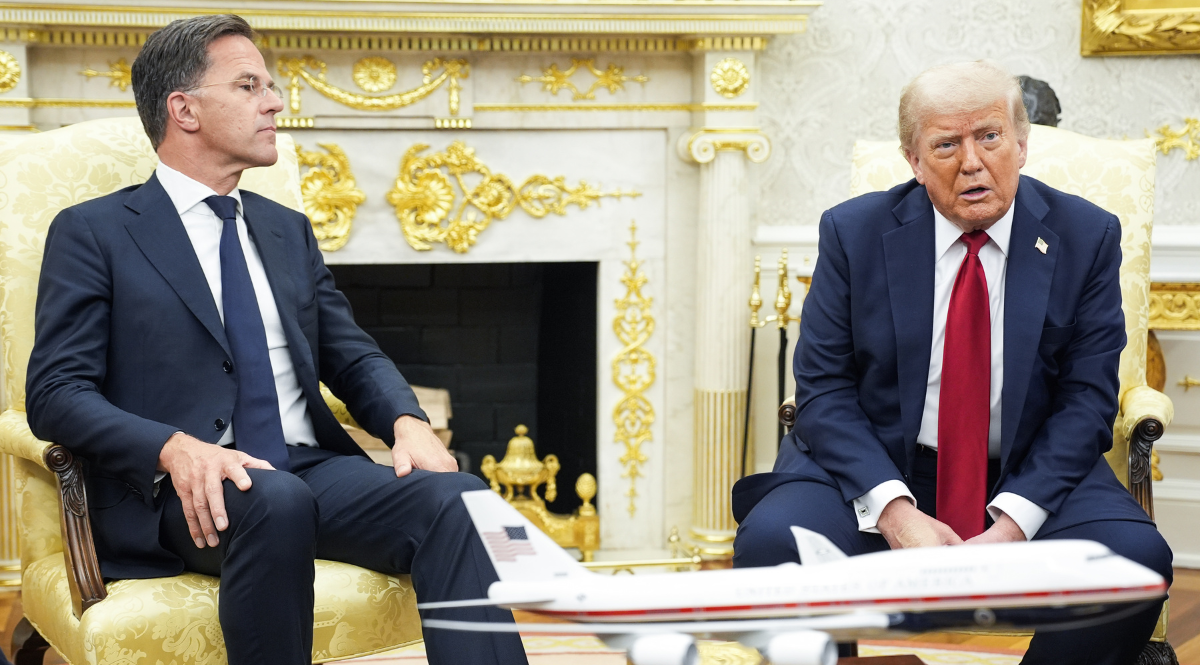 credit: Yuri Gripas - Pool via CNP / Zuma Press / Forum
Why has Trump changed his approach to Russia?
The change stems from Trump’s disappointment with Vladimir Putin, whom he tried to persuade to make peace with Ukraine. Achievement of a quick conclusion of the conflict was one of the election promises of the new U.S. president, who also criticised his predecessor Joe Biden for spending too much on U.S. military aid to Ukraine.
Although Putin declared his willingness to negotiate peace, in reality he has continued to pursue his goal of subjugating Ukraine. During the peace talks, Russia presented maximalist demands and rejected the possibility of a ceasefire, and in recent weeks it has substantially intensified its missile and drone strikes on Ukraine, especially on civilian targets in major cities. It has also launched another ground offensive, about which Putin reportedly informed Trump during their most recent telephone conversation on 3 July. This has happened despite the U.S. stated willingness to make various concessions, including the possibility of lifting sanctions and increasing economic cooperation with Russia, ruling out Ukrainian membership of NATO, and suggesting the possibility of recognising Russian control over parts of Ukraine.
Although Trump’s change of stance towards Russia is consistent with the improvement in transatlantic relations in recent weeks, the mechanism for purchasing U.S. weapons for Ukraine confirms that the Trump administration’s priority remains for NATO allies to take greater responsibility for European security.
How important for Ukraine are U.S. arms supplies?
Receiving further deliveries of U.S. weapons is crucial for Ukraine. In February, President Volodymyr Zelensky announced that 40% of the weapons used by Ukraine are provided by its own defence industry and 30% are supplied by the U.S. Although support from other NATO countries has been growing since then, the Alliance members are struggling to increase arms production, while ammunition for some American-made equipment can currently only be produced in the U.S. This includes GMLRS surface-to-surface missiles for HIMARS/MLRS launchers and interceptors for Patriot air-defence systems. Meanwhile, deliveries of weapons from U.S. stocks authorised by the Biden administration are expected to end in the coming months, just as the demand for them is growing as Russian missile and drone attacks intensify. Ukraine is seeking especially to obtain additional Patriot launchers and missiles, which it needs to intercept Russian ballistic missiles. In recent months, it has tried unsuccessfully to persuade Trump to sell Patriots and other weapons directly to Ukraine.
What will be the main challenges for new U.S. arms deliveries to Ukraine?
One challenge, at least in the case of certain items, will be the delivery of the new weapons quickly, especially given the procurement orders already made with the American arms manufacturers by the U.S. armed forces and other allies.
Trump has indicated the possibility of transferring some American-made weapons already in possession of NATO allies to Ukraine and later backfilling them with new weapons purchased in the U.S., but transfers already made to Ukraine and NATO’s operational needs may be a constraint in this case. Both of these factors have been cited by Germany, currently the largest European operator of the Patriot system, which announced that it would transfer further Patriots to Ukraine only after receiving new ones from the U.S. Given these limitations, Alliance members may try to persuade some non-member states to transfer their own Patriots to Ukraine in exchange for financing the subsequent delivery of new systems from the U.S. (e.g., Israel has a large number of older Patriot launchers and missiles in reserve).
Will Trump’s announcements convince Russia to make peace?
Trump’s announcements on arms sales and sanctions will not prompt Russia to stop fighting. Despite Trump’s declarations, Putin likely assumes that Russia will soon achieve significant military victories in Ukraine, inflict heavy civilian casualties and thus possibly also force both Ukraine and the U.S. to accept Russia’s demands. His calculations may be influenced by, among other things, growing Russian arms production (including missiles and drones) and assistance from China and North Korea, coupled with limitations in arms production capacity in the West. To change these calculations, Trump might have to make difficult decisions, such as supplying Ukraine with weapons from U.S. military stocks, agreeing to provide it with American-made missiles capable of striking deeper into Russia, and convincing allies outside Europe to wait longer for U.S. arms deliveries so that they can be redirected (via NATO) to Ukraine. Russia may respond to these and other steps with nuclear threats, especially as Trump and some of his associates have repeatedly expressed concerns about nuclear escalation of the conflict.
Although forcing Russia’s partners to reduce economic cooperation with Russia would threaten its economic, political, and social stability, Putin may doubt whether Trump would actually risk a trade war over Ukraine, especially with China.
Putin may also attempt to resume and prolong talks, especially given that Trump has already postponed deadlines set for other countries he has threatened with tariffs, and has repeatedly given Russia several weeks to change its attitude towards talks with Ukraine (so far without indicating possible consequences or making Russia accountable).


.png)