US delegation visits Moscow and Kyiv
Visits by Steve Witkoff and Jared Kushner to Russia and Ukraine on 5 and 6 September marked another unsuccessful attempt to break the deadlock in talks on ending hostilities. The initiative demonstrates that the US remains interested in acting as a mediator, while Russia’s maximalist demands remain the principal obstacle to progress.
 Valentyn Ogirenko / Reuters / Forum
Where do talks on ending the war stand?
Over the past year, negotiations to end the war have intensified but have failed to secure significant concessions from Russia. Talks gained momentum following media reports of a 28-point plan in November 2025 which largely accommodated Russian demands, including territorial claims and limits on Ukraine’s armed forces. The plan was revised following US negotiations with Ukraine and several European countries, chiefly France, Germany and the UK. In December 2025, Volodymyr Zelenskyy presented a 20-point version that included security guarantees for Ukraine.
Key questions remained unresolved after three rounds of talks in early 2026. These concerned territorial status (in particular, whether Ukraine would cede the parts of Donetsk and Luhansk oblasts under its control) and security guarantees (including the possible presence of forces from Ukraine’s partner countries on its territory). The war in the Middle East, which began in late February with US and Israeli strikes on Iran, became an additional obstacle to further negotiations.
What was the context of the visit and what were its objectives?
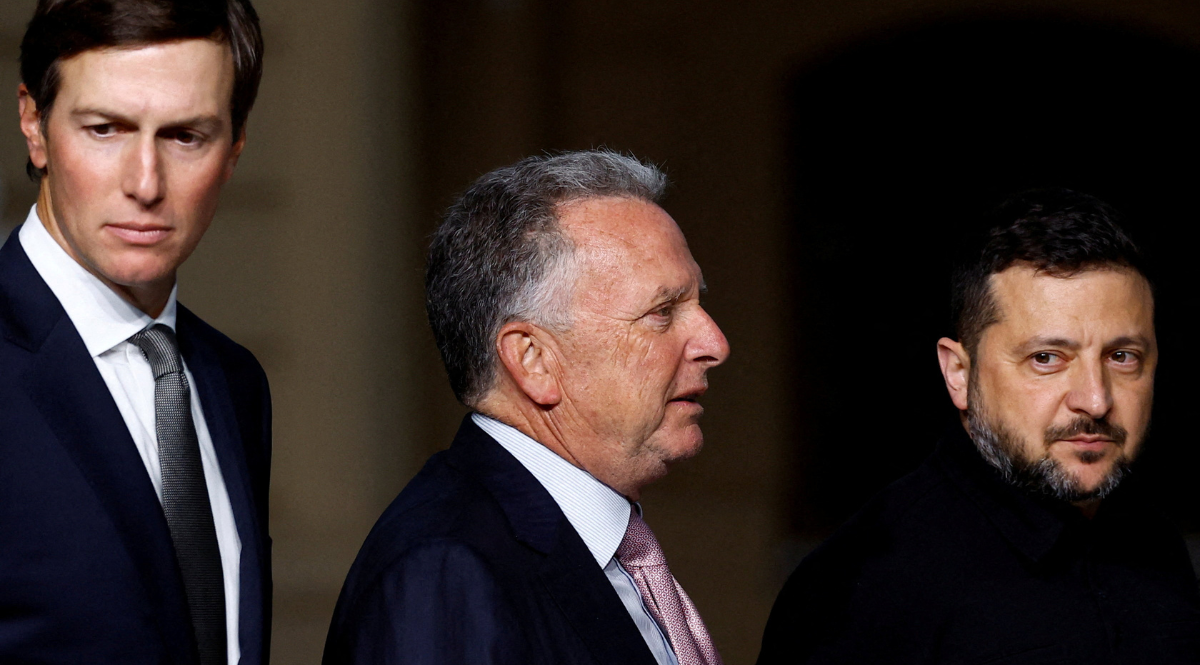
The principal aim of President Trump’s special envoys, Witkoff and Kushner, was to restart negotiations with the US as a mediator and explore ways to narrow the differences between the two sides. It was their first visit to Moscow since January, and their first ever to Kyiv. The trip came shortly after talks in Moscow between CIA Director John Ratcliffe and FSB Director Alexander Bortnikov. According to press reports, Ratcliffe highlighted the mounting costs of the war for Russia, urged the Russian authorities to negotiate and warned against escalating activities targeting NATO countries, particularly hybrid operations.
A bill proposing new sanctions against Russia, backed by the Trump administration, is intended to add to this pressure. Its provisions include tariffs on goods from selected countries that buy Russian oil and gas or help circumvent the restrictions. The Senate passed the bill on 7 August, but it still requires approval from the House of Representatives. The Trump administration’s interest in securing even a limited diplomatic success may increase during campaigning ahead of November’s congressional midterm elections.
What happened during the talks?
Publicly available information indicates that the US presented revised proposals to Russia on 5 September, although their details remain undisclosed. Putin stressed the need to address what he described as the ‘root causes of the conflict’: NATO’s eastward enlargement after 1999 and the alleged Western interference in Ukraine in 2014.
The 6 September talks in Kyiv focused on Ukraine’s energy and military needs for the coming winter, including air defence. US and Ukrainian representatives discussed air defence support and deliveries of US liquefied natural gas (LNG) ahead of winter, though no delivery quantities or schedules were announced. Both countries supported resuming trilateral talks but set no date.
Although both sides temporarily halted their respective attacks on Moscow and Kyiv during the US delegation’s visits, this restraint did not extend to the entire theatre of operations. The day before Trump’s envoys arrived, Russia had carried out strikes intended as a show of force against targets including both of Kyiv’s international airports, which were being prepared for the possibility that Witkoff and Kushner would arrive by air. It had resumed strikes on the city by 8 September. According to Zelenskyy, the US is exploring whether Russia and Ukraine could agree to reciprocal limits on operations that threaten energy infrastructure and food exports over the winter.
What are the prospects for further negotiations?
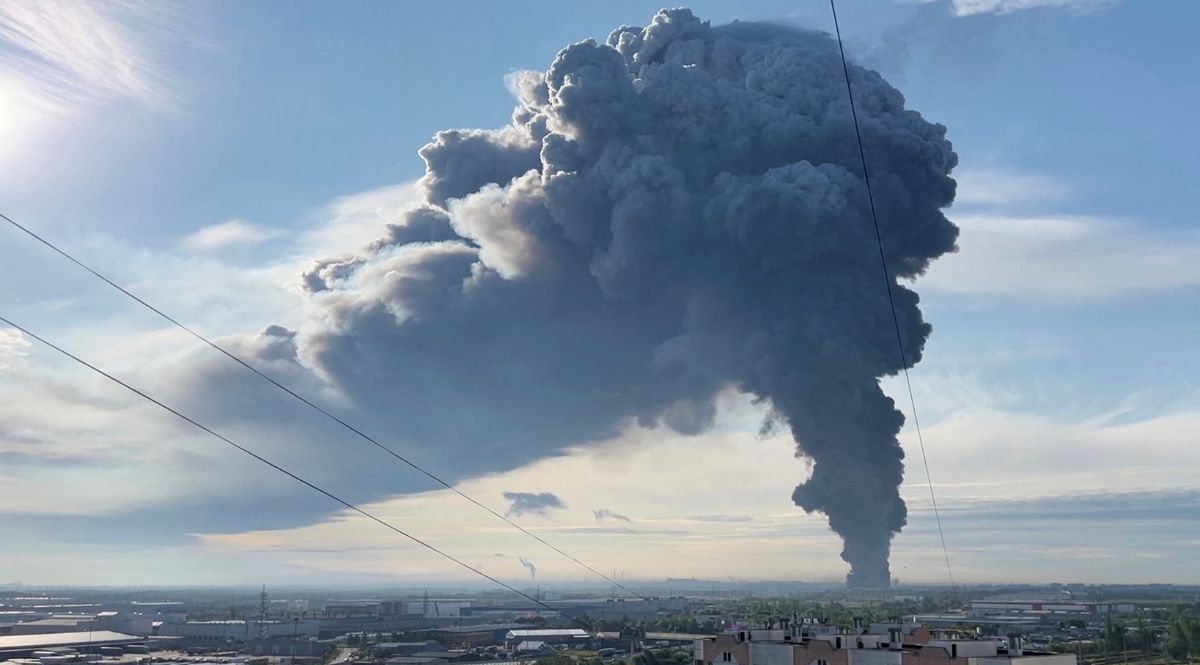
An end to hostilities or a ceasefire is unlikely in the coming months. Russia shows no willingness to make concessions on key issues and will increase military pressure on Ukraine over the winter, including through attacks on energy infrastructure, to strengthen its negotiating position. Ukrainian strikes on targets in selected sectors of the Russian economy, particularly energy, logistics and defence manufacturing, will not deter Moscow from this path. They will, however, shape the Russian public’s perceptions of the war in Ukraine and have some limited impact on the Russian economy.
Trilateral talks between the US, Ukraine and Russia are expected to resume, although this will probably not be until after Russia’s State Duma elections on 18–20 September. Continued US involvement in the war with Iran will constrain Trump’s engagement in talks to end the war between Russia and Ukraine.
Despite bipartisan support in the Senate, it remains uncertain whether the House of Representatives will pass the new Russia sanctions bill before the November elections. Some Democrats oppose expanding Trump’s tariff powers, while some Republicans fear that higher fuel prices could harm their electoral prospects. A delay in passing the bill would undermine the credibility of US pledges to increase economic pressure on Russia.
The national security advisers to the leaders of France, Germany and the UK (the E3) also took part in the consultations in Kyiv on 6 September. Their participation points to the E3’s growing role as the principal representative of European interests in the talks and reduces the risk of Europe being marginalised in the negotiating process.