Three Seas Initiative Holds 10th Summit
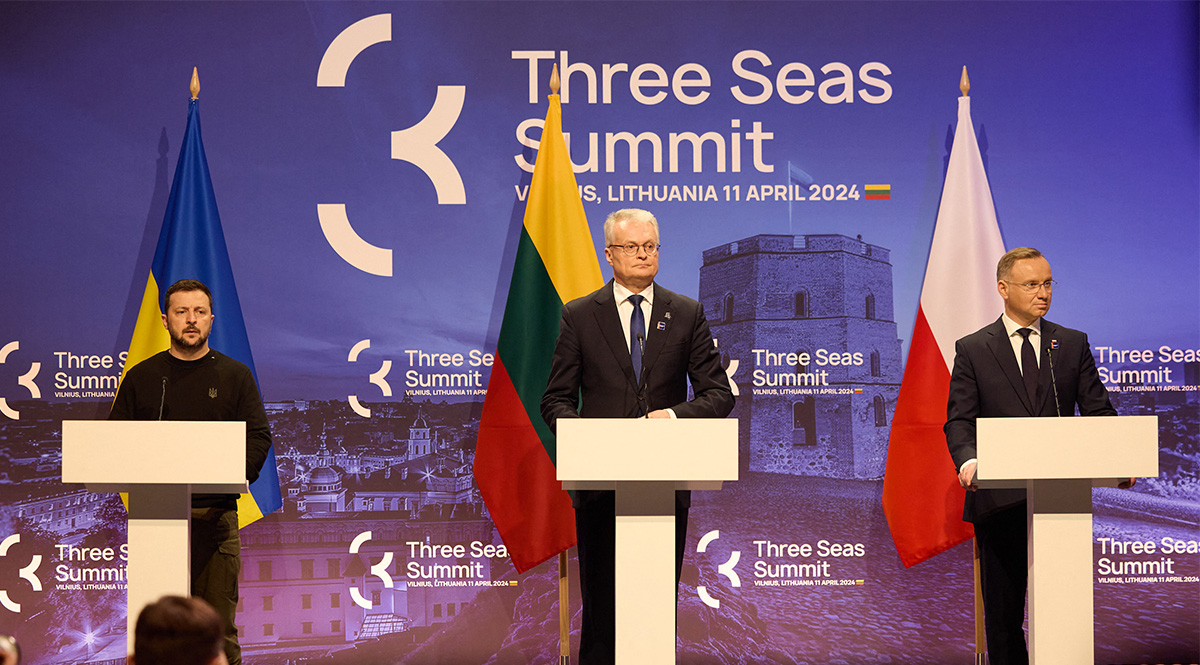
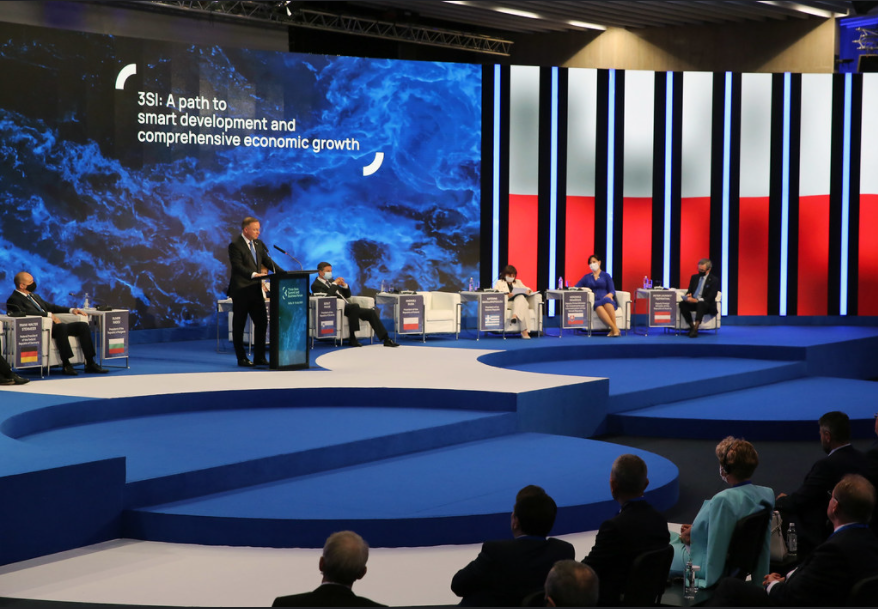
On April 28-29, Warsaw hosted the 10th summit of the Three Seas Initiative (TSI) and an accompanying business forum. The expansion of the group of strategic partners and associated participants may indicate, on the one hand, the attractiveness of the platform and, on the other, the continued search for a formula for its functioning in the face of limited real results of cooperation. Croatia declared its readiness to host the next summit in 2026.
(1).jpg) AA/ABACA / Abaca Press / Forum
AA/ABACA / Abaca Press / Forum
In what circumstances did the TSI summit take place?
The 10th TSI summit was also the third since the start of Russia’s full-scale invasion of Ukraine. However, for the first time it highlighted such a significant divergence in the eastern policy of the participating countries that Hungary issued a separate statement on some of the summit conclusions. The country distanced itself from condemning Russia’s war against Ukraine, expressing support for Ukraine’s sovereignty and territorial integrity, accelerating the EU accession process for Ukraine and Moldova (both countries are associated members of the TSI), increasing pressure on Russia, and calling for accountability for its war crimes. Hungary justified this with new geopolitical circumstances, namely the U.S. negotiations on a ceasefire in the Russian-Ukrainian war. Hungary’s increasingly ostentatious pro-Russian and anti-Ukrainian obstruction will not lead to the demise of the TSI meetings, unlike the Visegrad Group, as the TSI has limited capacity to act and therefore does not constitute a political burden for the other partners.
What decisions were made at this year’s summit?
The most important decision is to include more states into the format. Spain and Turkey have joined as strategic partners (formerly known as “observers”). Albania and Montenegro have been granted associate status, which allows states-candidates for EU membership to participate in TSI priority projects. In their final declaration, the TSI leaders highlighted the progress made in the implementation of projects: according to data from 2024, out of 143 projects submitted, the platform declared that 14 were completed, 19 made significant progress, and 15 were active. The fragmentation of projects into independently implemented national elements and the actual lack of use of this forum to coordinate them, as well as their complete dependence on national resources and EU funds, remain challenges for the TSI. The TSI Investment Fund, which is supposed to support them, has accumulated less than €1 billion (a sixth of the planned funds), and Austria, Czechia, and Slovakia have refused to pay the minimum initial contribution of €20 million. Despite this, the summit declaration announced preparations to establish a new investment fund, but its profile was not specified.
How does the TSI Summit fit into the development of transatlantic relations?
According to the final declaration, the objectives of the initiative include strengthening transatlantic ties. The presence of U.S. Secretary of Energy Chris Wright fits in with the energy dimension of TSI cooperation, as was the case at the 2023 summit in Bucharest when the U.S. President’s Special Envoy for Climate Change signalled support for the construction of small nuclear reactors in Poland, Czechia, and Slovakia. At the same time, the implementation of TSI financial support, announced during President Donald Trump’s first term, will be even more difficult due to extensive spending cuts by his current administration. This year’s TSI meeting was preceded by the signing of a bridge agreement between Polish utility Polskie Elektrownie Jądrowe and the American consortium Westinghouse-Bechtel on cooperation in the construction of a nuclear power plant. The summit also was an opportunity for the TSI countries to communicate the need to change the previous U.S. administration’s decision to impose restrictions on their imports of modern chips.
What are the prospects for the Three Seas Initiative?
The TSI is a presidential initiative based on the personal commitment of leaders. The Warsaw summit was the last one for outgoing Polish President Andrzej Duda, the co-founder and main promoter of the format (Croatia, where the second co-author of the project, President Kolinda Grabar-Kitarović, came from, has been represented by the government at TSI summits since her resignation in 2020). Romanian President Klaus Iohannis, who has been a strong supporter of the initiative, ended his term in office in February 2025, and the acting head of state, the Speaker of the Senate, attended the summit. It is uncertain whether their successors will show a similar level of commitment, without which the TSI may suffer gradual atrophy and marginalisation similar to the Central European Initiative. For almost a decade, the TSI has been unable to move beyond its role as a consultative forum. There has been a lack of binding decisions, including financial ones, that would lend credibility to the format and ensure the actual joint implementation of the announced projects. An opportunity to transform the TSI into a functional platform could be through the development of its governmental pillar, similar to the Bucharest Nine, in which relevant ministers meet and coordinate independently of the presidential format.


.jpg)