
Takaichi Sanae Set to Become Japan's Prime Minister
On 4 October, Takaichi Sanae was elected president of the ruling Liberal Democratic Party (LDP) and will become Japan’s first female prime minister. The right-wing nationalist shift, symbolised by the controversial Takaichi, could lead to changes in Japan’s ruling coalition and translate into increased tensions neighbouring countries, including China and South Korea.
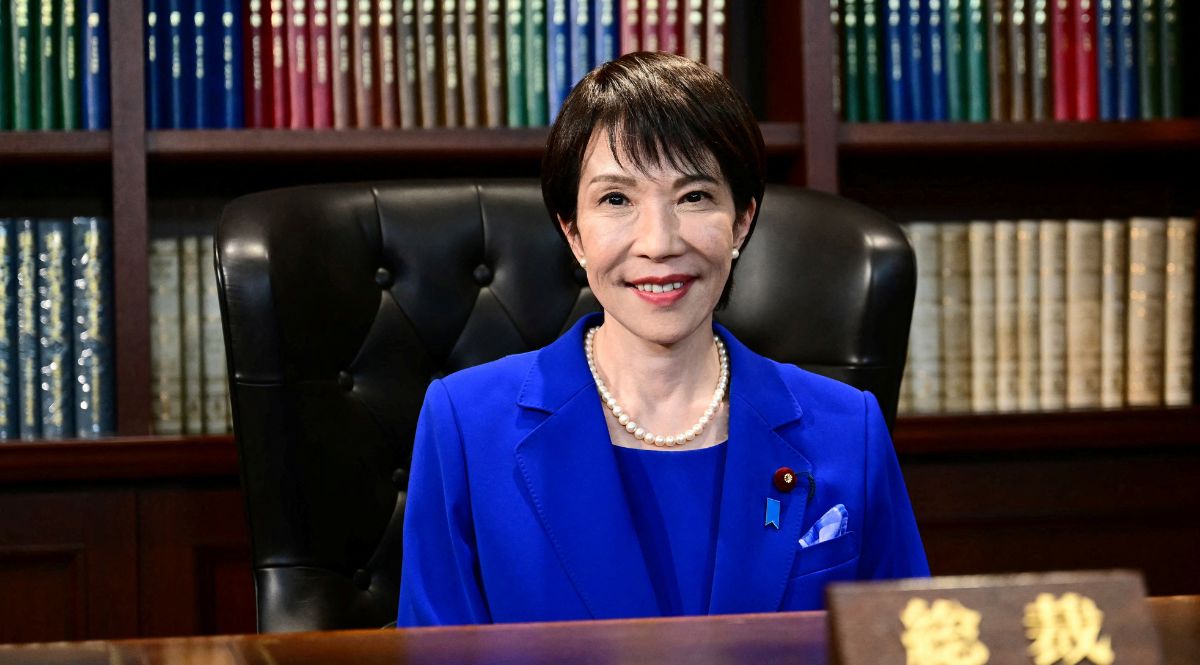 YUICHI YAMAZAKI / Reuters / Forum
Why did the Liberal Democratic Party change its leadership?
On 7 September, Prime Minister Ishiba Shigeru, who had been elected as head of the party and government in last October, resigned. He failed to overcome the deepening crisis of public confidence in the ruling party, which has been plagued by corruption scandals. The government has also been criticised for its handling of economic issues, including substantial rises in food prices, particularly rice. Ishiba was also criticised for being too conciliatory towards the Trump administration’s demands regarding a trade agreement imposing 15% tariffs on Japanese imports and committing Japan to investing $550 billion in the U.S. Internal pressure within the LDP for Ishiba to step down increased following election defeats in both the House of Representatives (October last year) and the House of Councillors (July this year). This resulted in the LDP-Komeito coalition losing its majority in both houses of parliament. In an election involving both MPs and local activists, Takaichi Sanae defeated four candidates, including Koizumi Shinjiro, minister of agriculture and son of former prime minister Koizumi Junichiro (2001–2006), in a run-off with 185 votes to 156.
Who is Takaichi Sanae and why was she elected?
Takaichi, 64, is an experienced politician who has been a member of parliament since 1993 and of the LDP since 1996. Regarded as the ideological heir and most loyal ally of former Prime Minister Shinzo Abe, she served under him during his two terms in office (from 2006 to 2007 and from 2012 to 2020). During successive Abe administrations, she held various party and ministerial roles, including responsibility for internal affairs. In Kishida Fumio’s government, she served as minister of economic security from 2022 to 2024. She ran unsuccessfully for the position of party president in both 2021 and 2024. She is known for her right-wing nationalist views. She is a member of the nationalist organisation Nippon Kaigi, which downplays and even denies Japan’s war crimes during World War II. While in government, she visited the Yasukuni Shrine, which commemorates those who died in service to imperial Japan, including war criminals. Her extreme social conservatism is evident in her opposition to gender equality and immigration.
Her victory was determined by her level of support among local structures, which was higher than Koizumi’s in as many as 36 out of 47 prefectures. This convinced the majority of parliamentarians, who had the decisive vote in the second round of elections, that the LDP had the best chance of improving its standing in society under her leadership. Equally important was the backing of the conservative elite surrounding the 85-year-old former prime minister, Aso Taro. After several years of domination by centrist politicians such as Kishida and Ishiba, the party’s shift to the right also responds to public sentiment, as evidenced by the rise in support for smaller far-right groups such as Sanseito.
What will the process of forming a new government entail?
As the LDP is the largest party in the House of Representatives with 195 seats in the 465-seat lower house of parliament, its leader heads the government. Its composition is expected to be approved by parliament on 15 October. Until then, negotiations will take place within the LDP regarding the allocation of party and ministerial positions, which are expected to be dominated by Takaichi and Aso supporters. Coalition talks will also continue. Although Takaichi has declared her willingness to maintain the coalition with the centrist Komeito party, her current partner may be discouraged from continuing the cooperation by her views. To create a stable parliamentary majority, Takaichi will also seek to expand the coalition to include more right-wing groups, such as the Democratic Party for the People (DPFP). Given the LDP’s continued low level of support (27%), it is unlikely that the future prime minister will call early elections in the near future to increase her social legitimacy. Last year’s failure, when Ishiba decided to take this step, may also discourage her.
What foreign policy might Takaichi pursue?
Although Takaichi has no experience in foreign policy, her strong views may influence Japan’s policies. She supports amending the pacifist Article 9 of the constitution and increasing military capabilities in response to threats from China. Her nationalist views could lead to political tensions in Japan’s relations with China and South Korea. In the latter case, this could threaten the recent rapprochement and allow historical issues to dominate bilateral relations once again. Takaichi’s declared desire to develop cooperation with U.S. allies in the region (apart from South Korea, she mentions Australia and the Philippines) would also be hindered by this. She supports Taiwan’s independence and maintains contact with its political elite (for example, she met with the president and foreign minister this year), which could further strain Japan’s relations with China. The future prime minister wants to strengthen Japan’s alliance with the U.S. Although she intends to respect the terms of the trade deal, she may propose amendments to ensure that the interests of Japanese industry are better represented. To build a close relationship with Trump, Takaichi may emphasise her closeness to Abe, whom the U.S. president refers to as his most important foreign partner. The first test of Takaichi’s relationship with Trump will probably occur during the U.S. president’s potential visit to Japan or at the APEC summit in South Korea at the end of October.
The new government is likely to be interested in strengthening cooperation with NATO, which would align with its ambitions to increase Japan’s role in security and defence. Takaichi’s commitment to economic security could lead to closer cooperation with the EU in making supply chains more resilient. The new government is also likely to continue to condemn Russia’s invasion of Ukraine and support the victim of the aggression.


.png)