Ishiba Elected Japan's New Prime Minister
On 1 October, following elections within the ruling Liberal Democratic Party (LDP), Japan’s parliament approved the new government headed by prime minister Ishiba Shigeru. His election reflects a shift in the balance of power within the LDP, which has been dominated for years by the faction led by the former prime minister Abe Shinzo. In terms of foreign policy, the new government is likely to continue efforts to strengthen Japan’s role in the regional security environment. The future of the Ishiba government will be determined by the outcome of the snap parliamentary elections scheduled for 27 October.
.png) YUICHI YAMAZAKI / Reuters / Forum
YUICHI YAMAZAKI / Reuters / Forum
Why was there a change of prime minister?
Because of the LDP’s parliamentary majority (258 seats in the 465-seat House of Representatives, the lower house of Japan’s parliament), the leader of the party heads the government. In mid-August, Fumio Kishida, the LDP’s leader since September and prime minister from October 2021, announced that he would not seek another three-year term. Kishida’s decision followed a faster decline in support for his government (20% in an NHK poll in early September, compared to above 50% when he took power) and party (31% compared to around 40%) due to a series of scandals. Following the assassination of Abe Shinzo in July 2022, the links of some LDP politicians to the sectarian Unification Church were revealed. In turn, a slush fund scandal involving the misuse of campaign funds by members of the LDP, especially from the faction formerly led by Abe, was exposed last November. The corruption scandal led to the dissolution of most factions within the LDP. The internal turmoil led to up to nine candidates running for the party’s leadership in the 27 September election, in which both lawmakers and local LDP members voted. Ishiba won, beating Takaichi Sanae, the former minister of economic security and a close associate of Abe, in a run-off election (215 votes to 194).
Who is Ishiba and why was he elected?
Ishiba, 67, is an experienced politician who has served in the House of Representatives since 1986. He is considered an expert in defence and regional development issues. He has held several government posts, including minister of defence (2007-2008) and minister of agriculture, forestry and fisheries (2008-2009). Against the backdrop of the right-wing nationalist Abe, with whom he competed for years in the LDP, Ishiba is seen as a moderate politician. He ran unsuccessfully for the party’s presidency four times. Ishiba’s position in the LDP has been marginalised in recent years due to his critical comments about influential party politicians. His victory over Takaichi suggests that the majority of the LDP saw him as a better leader for difficult times. Ishiba is perceived relatively positively by the public, partly because of his critical approach to his own party. At the same time, Ishiba’s election reflects a shift in the balance of power within the LDP. The new prime minister received the support of his two predecessors, Kishida and Suga Yoshihide, who formed an informal coalition for the election offering a moderate option against the right wing, represented in particular by another former prime minister, Aso Taro, who supported Takaichi.
What does Ishiba’s election mean for Japanese domestic politics?
Despite his victory, Ishiba will face strong conservative opposition within the LDP. Takaichi rejected the new prime minister’s offer to join the party leadership. However, Aso was included (he took the position of supreme adviser), which may indicate Ishiba’s willingness to compromise. At the same time, as a politician not involved in scandals, he will seek to “cleanse” the party of corrupt politicians. This is reflected in the composition of the new government, which does not include any of the politicians implicated in the corruption scandal. Instead, the new government includes 13 out of 20 people who have not previously held ministerial positions. In terms of economic policy, Ishiba advocates greater income redistribution through higher taxes on corporations and the wealthy, and the development of the country’s poorer regions. Despite his criticism of so-called Abenomics (monetary and fiscal easing), he chose Kato Katsunobu, a supporter of its principles, as finance minister. This shows that Ishiba intends to maintain current economic policies in the short term.
How could the new government influence Japan’s foreign policy?
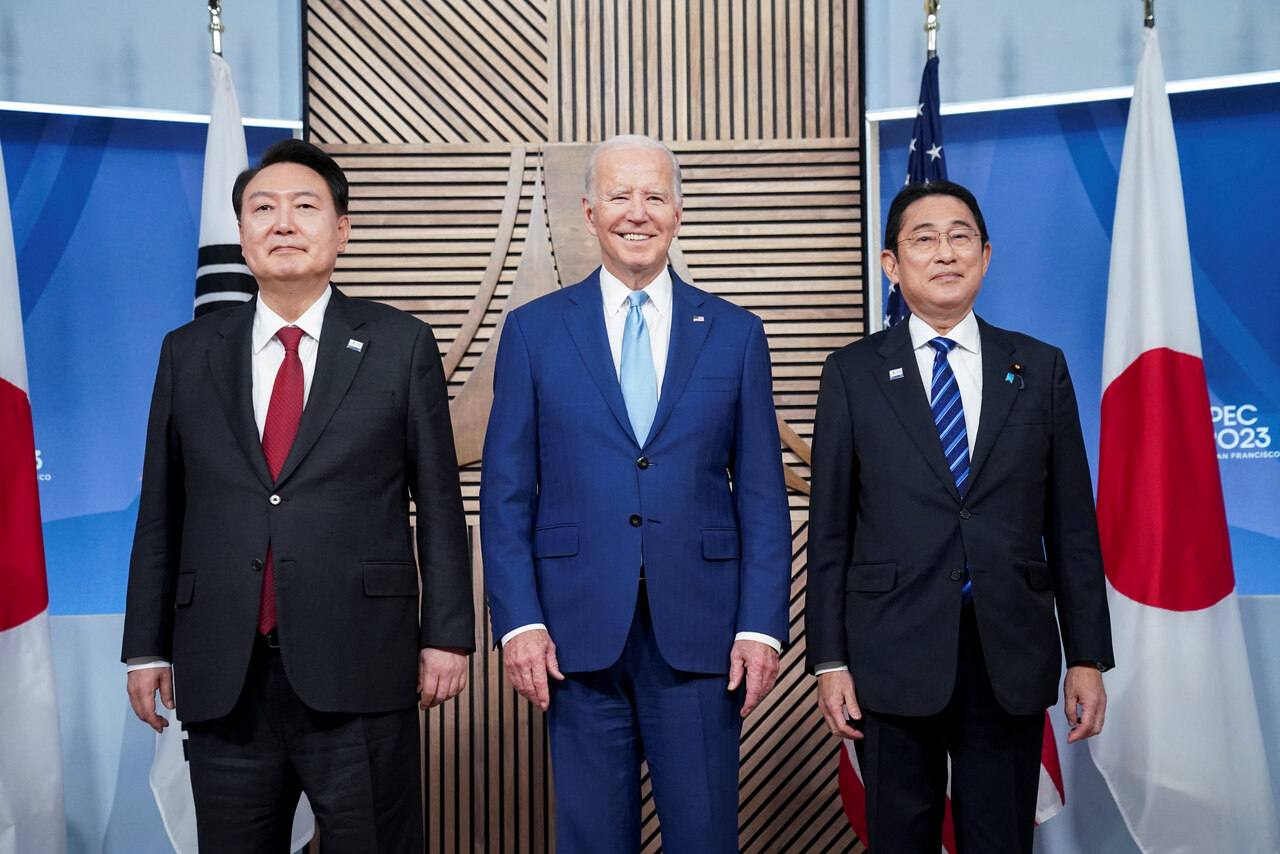
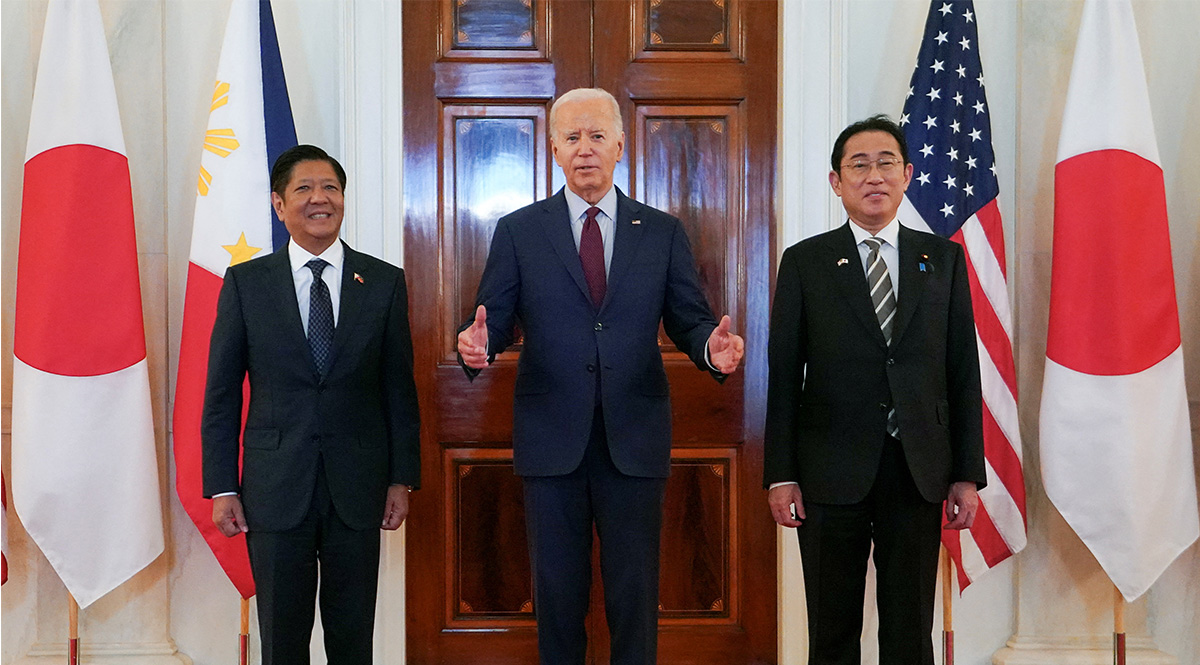
The Ishiba government will largely continue Kishida’s foreign policy, which will be conducted by former defence ministers Iwaya Takeshi (new head of diplomacy) and Nakatani Gen (new defence minister). However, the new prime minister has signalled a number of possible changes. Among other things, Ishiba announced a move to reduce the asymmetry in Japan’s alliance with the U.S., suggesting changes to the Status of Forces Agreement (SOFA). He also presented the idea of stationing Japanese troops on Guam, where the U.S. has military bases, and the need for greater alliance consultation on U.S. extended nuclear deterrence. According to Ishiba, the best way to deter Chinese aggression, especially against Taiwan, is to create an “Asian NATO”. A definition of this term has not yet been specified, but it may be in line with the building of a network of multilateral security links that has been underway for years. Ishiba’s announced intention to continue the dialogue with South Korea may serve this purpose.
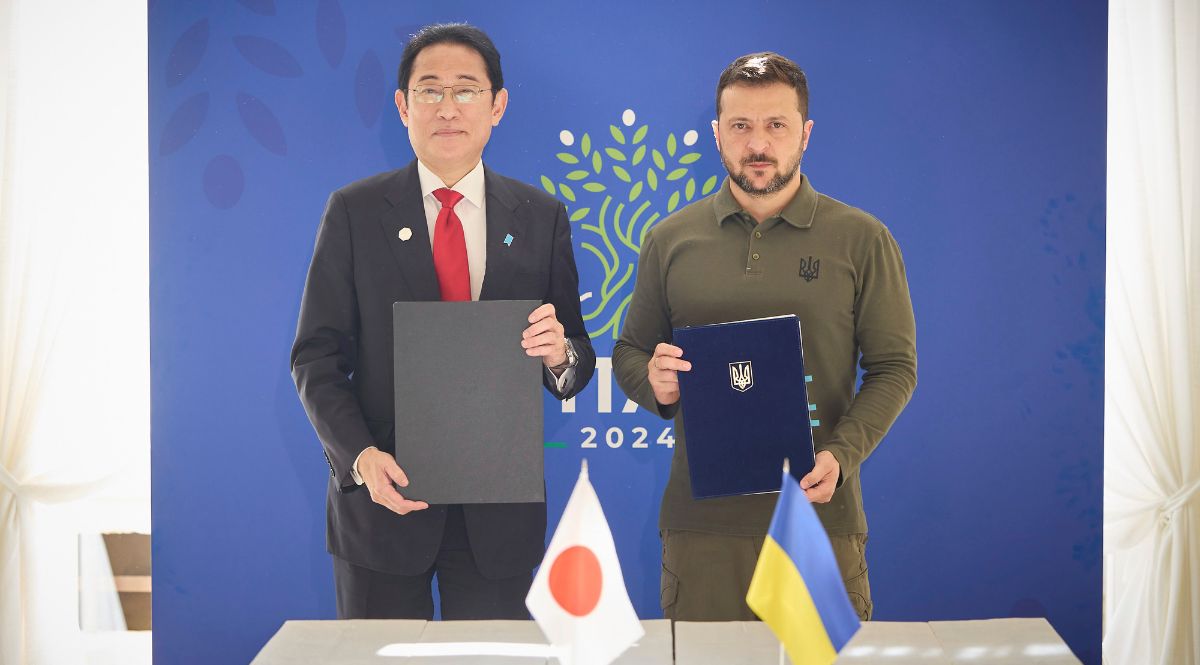
The new prime minister’s emphasis on the need to improve defence capabilities and strengthen security cooperation with the U.S. and partners does not necessarily mean embarking on a collision course with China. Ishiba favours stable relations with China, although he also wants to develop contacts with Taiwan, which could lead to tensions with China. Ishiba agrees with the Kishida’s assessment of the importance of the links between the security situation in the Pacific and in Europe. For this reason, the new government is likely to continue cooperation with NATO and support for Ukraine.
What is next for the Ishiba government?
Ishiba announced the dissolution of parliament on 9 October and the calling of snap parliamentary elections for 27 October. The new prime minister wants to use his popularity and the timing of the LDP leadership change to restore public confidence in the ruling party. The expected good election result would strengthen his position within the LDP. In addition to managing relations with the internal opposition, Ishiba’s main challenge will be his rivalry with Noda Yoshihiko, the new leader of the Constitutional Democratic Party (CDP) and the former prime minister on behalf of the then Democratic Party in 2011-2012. Although the CDP currently has only 8% support, the politicians will be competing for the undecideds (up to 47% of respondents) in the election campaign.