
Expiration of the New START Treaty
Following the expiration of the US-Russian New START Treaty on 5 February, the US is likely to increase its deployed intercontinental-range nuclear forces. This will be a response to the expansion of nuclear forces by US rivals, primarily China, but also Russia. Additional US deployments may help to strengthen NATO's deterrence, although the long-term effects of increased investments in strategic arms are difficult to predict for Europe. In the near future, the conclusion of new agreements limiting Russian nuclear weapons remains unlikely, especially with regard to medium- and short-range forces, which pose the biggest threat to European countries.
 ABACA / Abaca Press / Forum
Scope and Goals of the New START Treaty
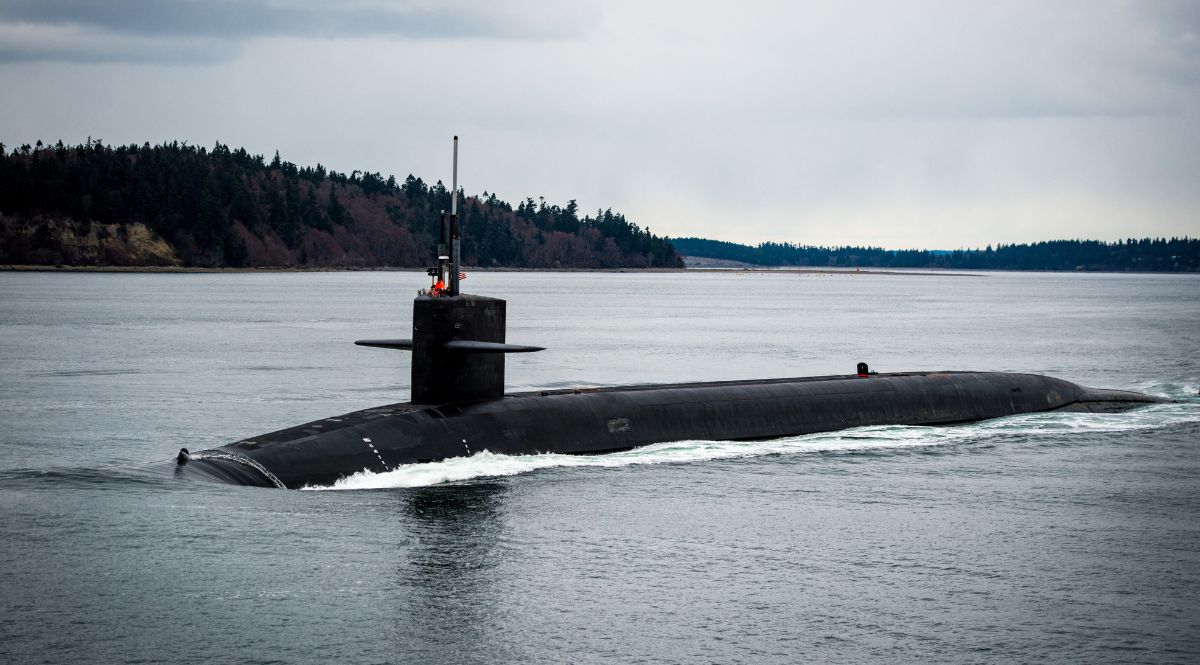
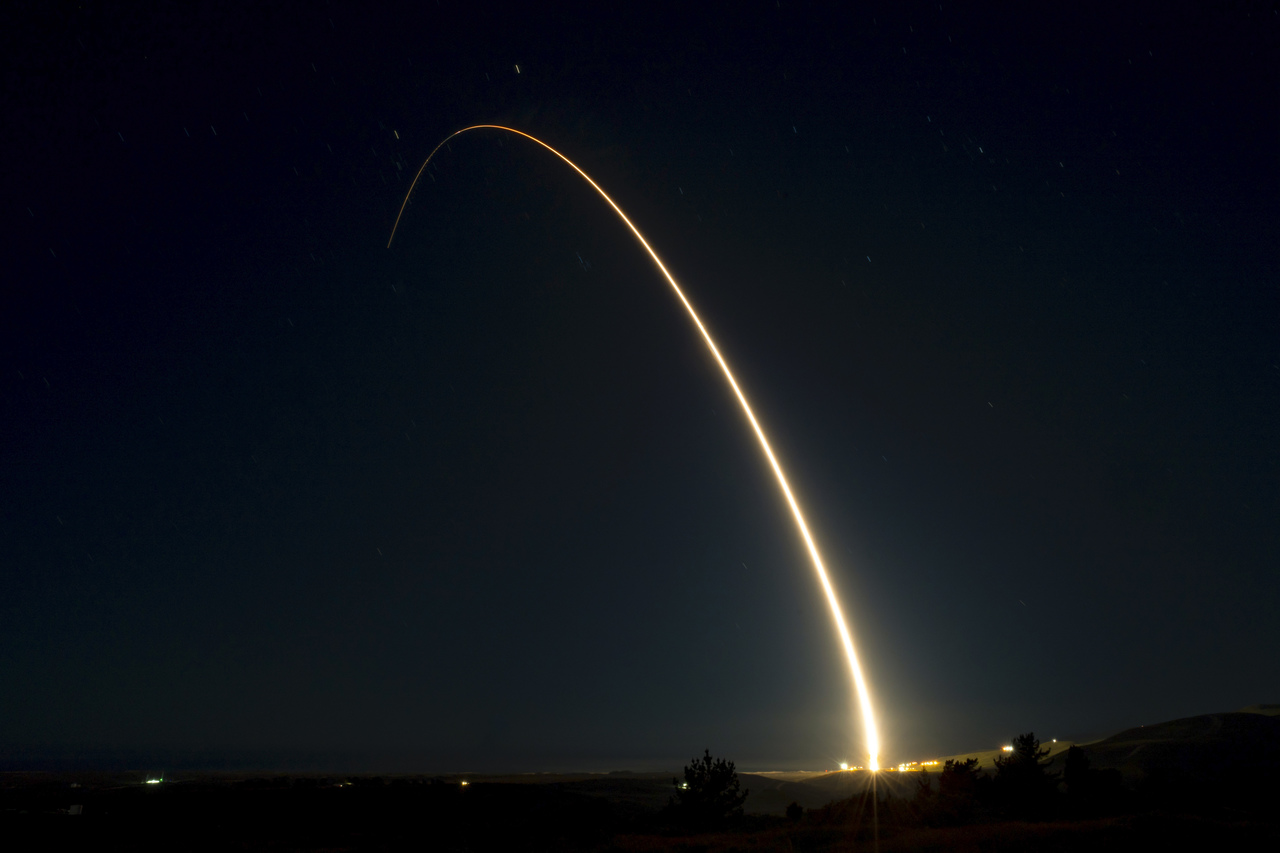
The 2010 Strategic Arms Reduction Treaty (New START) was the last remaining agreement limiting the size of the US and Russian nuclear arsenals. Together, these countries possess around 90% of the world's nuclear warheads (according to SIPRI estimates, approximately 3,700 and 4,300 warheads, respectively). New START was part of a series of agreements concluded since 1972 that covered intercontinental-range systems. These weapons give the US and Russia (and previously the USSR) the ability to attack the other side’s territory directly from one’s own. Under the New START, each of the countries could have up to 1,550 deployed (i.e., ready-to-use) warheads on a total of 700 delivery vehicles: bombers and ballistic missiles launched from silos and mobile land-based launchers, as well as from submarines. The treaty also obliged the signatories to exchange information on these forces and conduct mutual inspections. This was intended to assist national intelligence means (including satellites) in verifying compliance with the agreement’s limits in order to reassure both countries that the other side was not expanding its strategic arsenal. Concerns about expansion could lead to fears over the aggressive intentions of the other side and prompt the US and/or Russia to increase their own forces. The treaty goals were therefore to reduce the costs of nuclear deterrence and stabilise relations between the signatories. It was signed by the Barack Obama administration during an attempt to “reset” relations with Russia, and then extended for five years in 2021 by President Joe Biden, when he was seeking to reduce tensions with that country.
Reasons for Not Extending the Agreement
The New START did not allow for another formal extension, although Russia proposed that both countries declare that they would comply with the treaty limits for at least another year. US President Donald Trump rejected this proposal and called for a new agreement to be negotiated, this time also with the participation of the PRC. The Chinese authorities rejected this, pointing out that their nuclear arsenal is much smaller than those of the US and Russia. However, China is rapidly expanding its nuclear forces. The US assesses that they have increased from about 200 warheads in 2020 to 600 in 2025, and will reach 1,000 in 2030, mostly on systems capable of striking US territory. Thus, continuing to honour the New START restrictions would impede a US military response to the Chinese build-up. Trump also pointed out Russia's violation of the treaty, as, in an attempt to coerce the US to withdraw its support for Ukraine, it refused to accept inspections from 2022 on and, from 2023, stopped exchanging information on its nuclear forces (the US responded in kind to both moves). This made it difficult to confirm (and would also have been the case in the event of an informal extension of the treaty) whether or not Russia was increasing its forces above the treaty’s ceilings. Moreover, as it did during the first Trump administration, the US is likely to demand that Russia also limit nuclear forces not covered by the New START treaty. Russia has been expanding its already large pool of medium- and short-range systems, which primarily target US allies in Europe and Asia. It has also been developing nuclear-powered intercontinental-range drones and cruise missiles.
Prospects for an Arms Race Between the US and Russia
The US is expected to strengthen its intercontinental-range forces, mainly in response to China's armament, and Russia will likely respond in kind. The actions of the US and Russia will likely be limited, at least initially. Both countries currently prioritise spending on other military capabilities: for Russia, it is financing the war with Ukraine, while the US is preparing conventional forces for a potential conflict with China. Therefore, both countries' first steps will presumably focus on deploying additional strategic warheads from reserve to existing missiles and bombers, which will be relatively inexpensive. This situation may change in the early 2030s. As part of its modernisation program, the US is expected to produce new strategic systems on a large scale and may decide to increase their number. The likelihood of such a scenario will grow if China continues to rapidly build up its nuclear arsenal. This would increase pressure on Russia to further expand its strategic forces, especially if the US also significantly strengthens its ballistic missile defence and deploys conventional medium-range missiles near Russia. Russia will continue to demand that the US limit such capabilities, arguing that they pose additional threats to its nuclear forces. In the case of China, it is possible that interest in arms control talks will only emerge if China's arsenal comes close to matching that of the US and Russia in size, at least in terms of the number of intercontinental systems and/or warheads.
Possible Implications for Europe, Including Poland
The expiration of the New START treaty will not have a direct impact on the military situation in Europe in the short term, as the treaty did not cover Russian short- and medium-range forces that pose a particular threat to European countries. An increase in US intercontinental-range forces may indirectly strengthen deterrence of Russian aggression against NATO, as it will demonstrate the US's readiness to act against Russian interests and willingness to prepare for potential simultaneous nuclear conflicts with Russia and China. The long-term implications of greater investments in strategic forces for Russian and US military capabilities in Europe are difficult to predict. An escalation of the arms race will place a greater burden on Russia, as a country with a much smaller economy than the US. This could result in cuts to Russian spending on conventional and nuclear forces targeting Europe. On the other hand, the US may accelerate the reduction of its non-nuclear forces in NATO countries, in order to allocate the savings to strategic forces. It should also be borne in mind that in negotiations with the US on a new agreement, Russia will seek to reduce the presence of various US capabilities in Europe, including shorter-range nuclear forces, missile defence systems and medium-range conventional missiles. In the case of the latter, Russia may also try to convince the US to demand concessions from its allies. At the same time, Russia will oppose the inclusion of its own short- and medium-range nuclear systems in the new agreement, partly because of the significantly smaller size of such forces on the NATO side. It cannot be ruled out that the expansion of US intercontinental-range nuclear forces will eventually make Russia more willing to make concessions in this matter, but there are currently no indications of this.
The US's competition with two countries with significant and growing nuclear capabilities, and the risk of simultaneous conflicts in Europe and Asia, strengthen the arguments for allies to better complement US nuclear deterrence. In addition to increasing the role that the French and UK nuclear forces play in protecting Europe, this could also include greater participation by other allies, including Poland, in nuclear sharing with the US. At a minimum, this would involve these countries providing additional aircraft to carry US nuclear weapons deployed in Europe. It would also be advisable to further increase the number of locations where these weapons are stationed. Nuclear deterrence will also benefit from the acceleration of strengthening European conventional deep-strike capabilities, including the acquisition of land-based medium-range missiles (with ranges between 1,000 and 3,000 km) by Poland and other countries. Such systems are already necessary for effective defence against conventional aggression, by striking forces located deep within enemy territory and the infrastructure supporting them (e.g., missile launchers and factories).
In some cases, these missiles could also be used to retaliate against limited nuclear attacks, e.g., by striking the enemy's critical infrastructure. They could also be used to target Russian dual-use systems (capable of carrying conventional and nuclear weapons) and to support operations by NATO nuclear forces, in particular by weakening enemy air defences.


.png)

.png)