Detention of Russian 'shadow fleet' vessels by the US
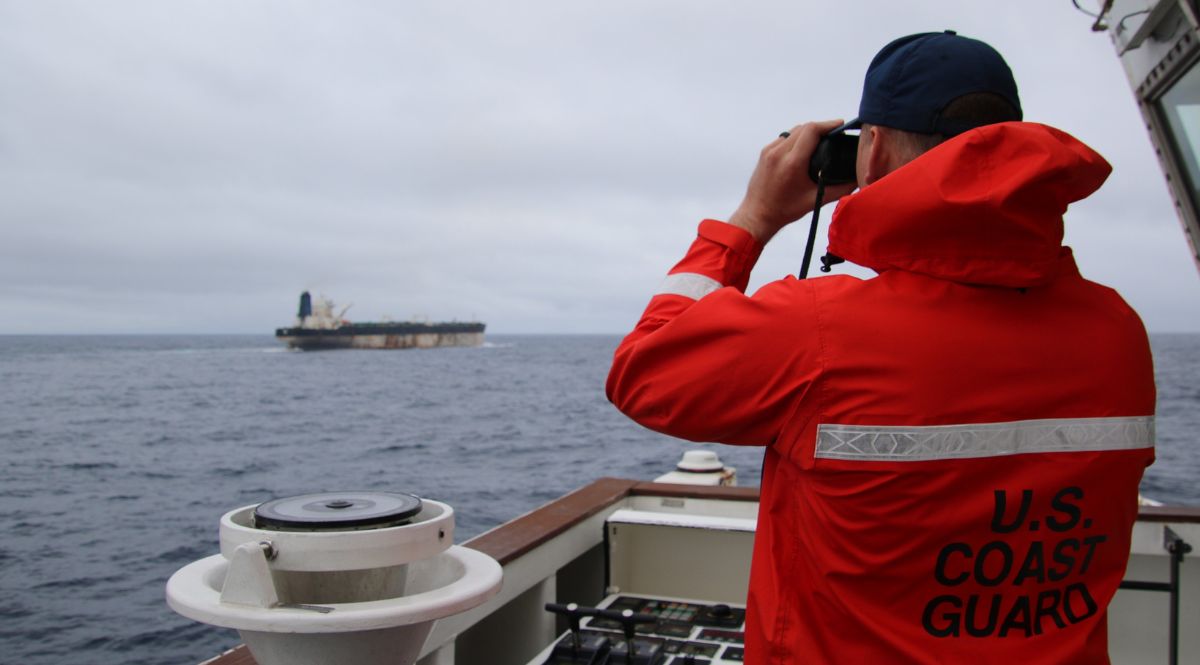
The US Coast Guard, supported i.a. by special forces, seized two tankers belonging to the Russian “shadow fleet” (“Bella-1/Marinera” and “Sophia”), which were used to transport Venezuelan and Iranian oil subject to the US embargo. In doing so, the Americans demonstrated their willingness to use military means to enforce US sanctions.
 X/@US_EUCOM
What did the US operation against the ‘Marinera’ ship look like?
From 20 December 2025, the Americans pursued the “Bella-1/Marinera” following the ship’s attempt to bypass the US naval blockade and illegally transport Venezuelan oil. The crew refused to allow the vessel to be inspected, and the captain decided to flee from the coast of Venezuela across the Atlantic Ocean to Russia. During the escape, on 24 December, the ship was entered into the Russian register as the Marinera (it had previously sailed under the Guyanese flag), and the colours of Russia were painted on its hull to indicate its nationality. In this way, Russia intended to prevent the US from seizing the vessel by force. It also sent a diplomatic note calling for the pursuit to be stopped and sent warships (including a submarine) to protect the tanker. Despite these actions, the US, which had prolonged the pursuit to transfer necessary equipment to bases in the UK, boarded the vessel on 7 January this year while it was in international waters between Iceland and the UK. The Coast Guard and special forces operation involved the use of C-17 transport aircraft, V-22 Osprey tiltrotors and AC-130 gunships, among others. At almost the same time, US Southern Command reported the seizure of another tanker belonging to the Russian “shadow fleet” in the Caribbean Sea – the Panamanian-flagged ship “Sophia,” which, according to US federal agencies, was used to violate American sanctions.
What are the legal consequences of detaining the tanker?
The seizure of the Russian-flagged tanker “Marinera” took place on the high seas. According to the justification presented by the US, the legal basis was a federal court order related to the tanker’s violation of sanctions against Venezuela and the application of President Trump’s proclamation of 16 December 2025 on the blockade of ships entering and leaving Venezuela. The US European Command’s statement also referred to an unspecified “threat to the security of the Western Hemisphere.” However, in light of the international law of the sea, such reasoning raises legitimate doubts. Although the US is not a party to the 1982 Convention on the Law of the Sea, it is bound by the provisions of the 1958 Convention on the High Seas and by customary law. Both the right of visit (inspection of a ship by a warship in strictly justified cases, e.g. suspicion of piracy) and the right of hot pursuit (permitted if, at the time of its commencement, the ship was in territorial waters or the contiguous zone) do not apply in the circumstances described. Russia may therefore attempt to seek the release of the ship and compensation under international law, through negotiations or legal proceedings before the ICJ or an arbitration tribunal, as the US is not a party to the 1982 Convention and is not subject to the jurisdiction of the International Tribunal for the Law of the Sea.
What was Russia’s reaction?
Russia’s response to the seizure of the “Marinera” by the US was subdued, which shows that Russia has limited options in this situation. The Russian Ministry of Transport was the first to react to the American operations, emphasising in its statement that, in accordance with the 1982 United Nations Convention on the Law of the Sea, freedom of navigation applies in open waters and no state has the right to use force against ships duly registered in the jurisdictions of other states. The Ministry of Foreign Affairs, in turn, demanded that the US ensure the humane and dignified treatment of Russian citizens who were on board the “Marinera” and respect their rights and interests. The Foreign Ministry’s statement also said that the United States should not hinder the rapid return of Russians to their homeland, which means that Russia will take further diplomatic and consular action on this matter. Leonid Slutsky, chairman of the Duma’s international affairs committee, stressed that the seizure of the “Marinera” was a violation of maritime law and UN conventions and constituted an act of piracy. However, Russia decided not to use its nearby ships to defend the “Marinera,” indicating that its authorities wanted to avoid a direct confrontation with the US. However, this incident may cause the Russians to increase their escort for the “shadow fleet” in the future and may decide to confront countries other than the US.



.jpg)