The Transformation of Syria and Challenges for EU Policy in the Middle East
The overthrow of the Assad regime has initiated a transformation in Syria, giving the EU an opportunity to engage more actively in its southern neighbourhood. By easing sanctions and supporting the reconstruction of basic infrastructure in Syria, the EU can not only help stabilise the country but also limit the harmful influence of Russia, Iran, and paramilitary organisations in the region.
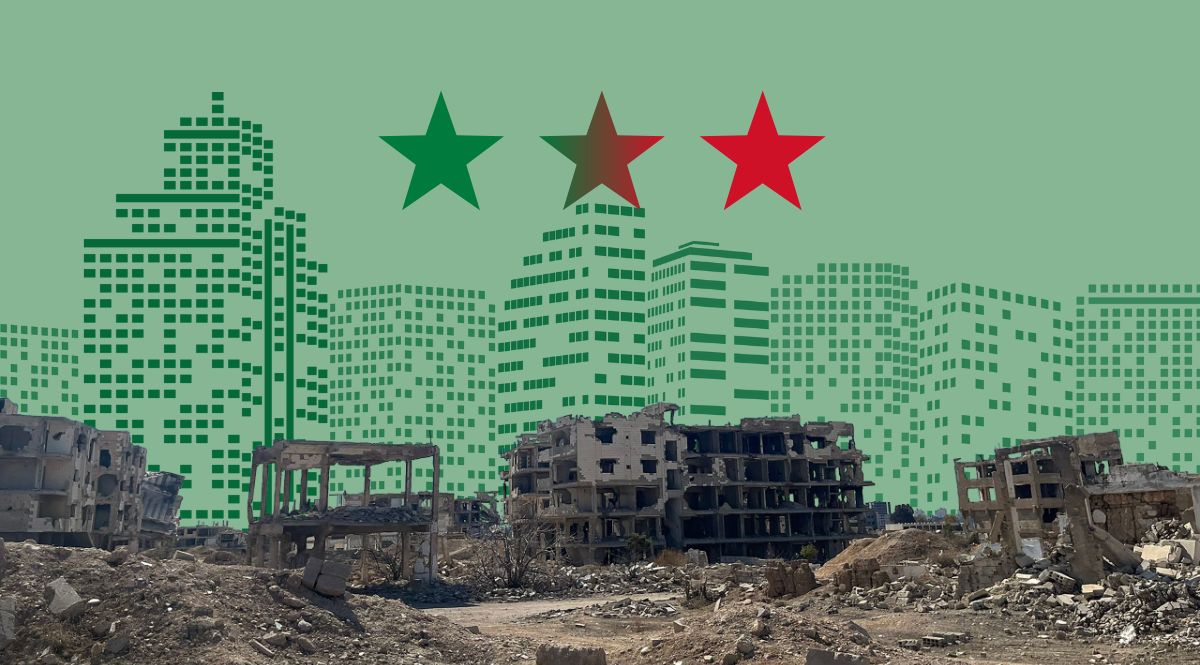 Photo on the cover: Sara Nowacka
Syria’s stabilisation is extremely fragile and requires the establishment of mechanisms for a “just” transition and support in bringing to justice members of the Assad regime responsible for war crimes. This will be crucial to alleviating social tensions exploited by regime loyalists and their supporters to delegitimise the new authorities. The EU should also use the state-building process to strengthen the position of civil society in its relations with the authorities and to take a more active stance in its relations with the countries involved in the region. In this context, the challenge will remain to reconcile support for the Syrian authorities’ reintegration efforts with the protection of the rights of minorities, some of whom are demanding the federalisation of the state, which is unfavourable from the perspective of the EU’s interests.
In the report, "The Transformation of Syria and Challenges for EU Policy in the Middle East," we present the current political, social, and economic situation in Syria after the fall of Bashar al-Assad's regime. We also devote a section to Syria's closest neighbors and their roles and interests that they wish to pursue in the region. But that's not all—we also describe the potential benefits and significance of Western countries' involvement in Syria, including that of the European Union.
Enjoy your reading!