The Sixth Summit of the Three Seas Initiative in Sofia
On 8-9 July, the sixth presidential summit of the Three Seas Initiative, accompanied by the third business forum, took place in Sofia. It confirmed the ambitions to expand and tighten cooperation, the challenges facing the TSI—primarily financial—as well as a declaration of support for the initiative by the new U.S. administration. The seventh TSI summit will be held next year in Riga.
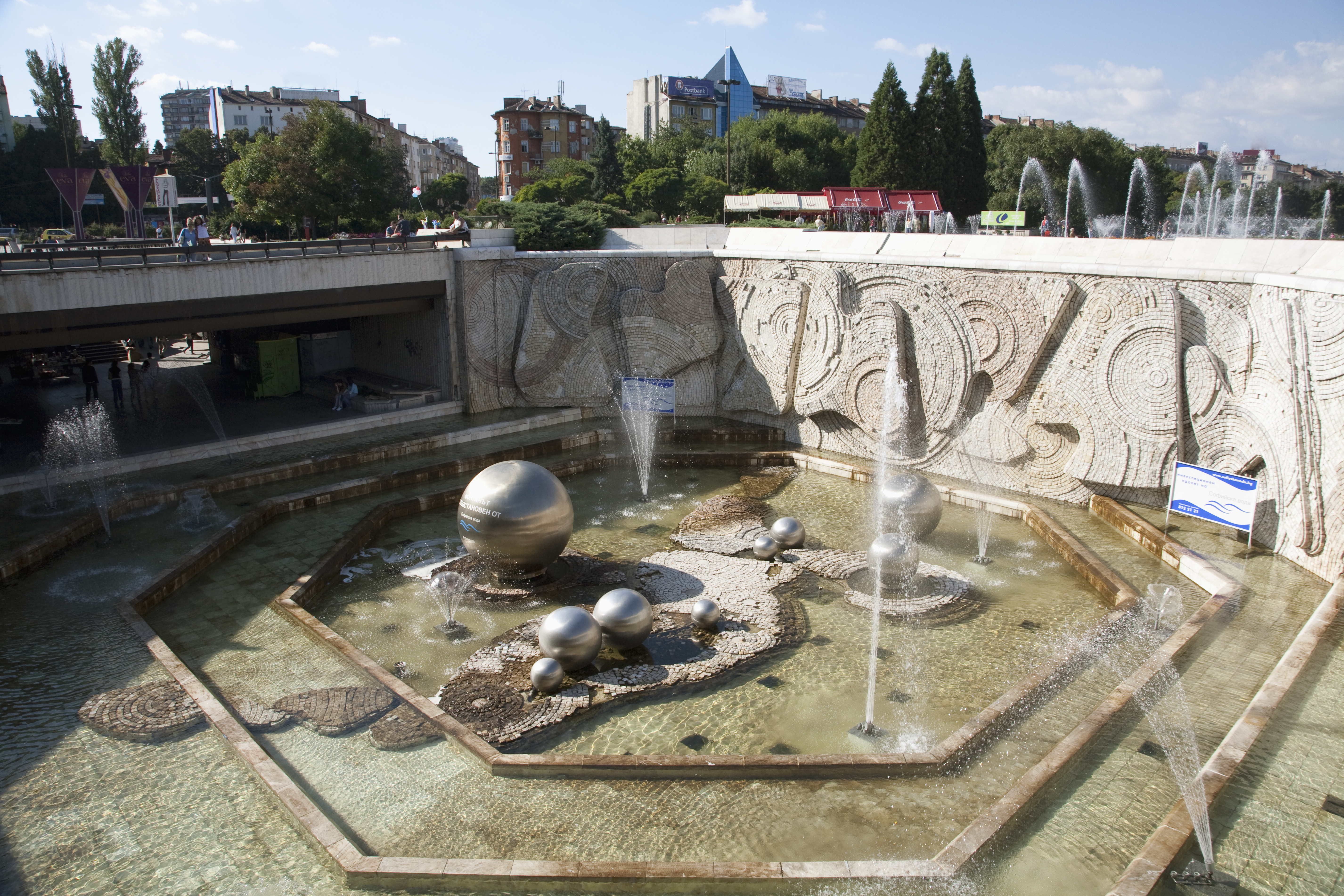 Photo: Peter Langer/Zuma Press
What are the main results of the Sofia Three Seas Summit?
Three important decisions were made during the summit. First, the new priority of the TSI, as proposed by Bulgaria, is to strengthen scientific and educational cooperation. Second, in the practical economic dimension, investment agencies agreed to create an innovation support network, and the chambers of commerce of TSI countries, their own cooperation network. Third, a step towards intensifying cooperation under the initiative is strengthening the role of host countries of summits in the final declaration and a decision to establish a so-called “sherpa” format, which provides for coordinators between the summits meetings of national TSI to discuss positions and prepare documents, facilitating agreement at the annual meetings of state leaders.
What role did the Sofia summit play in internal Bulgarian politics?
Bulgarian President Rumen Radev was one of the leaders most involved in the TSI in the past year. In 2020, during the peak of the COVID-19 pandemic in Europe, he was the only president, together with Andrzej Duda and host Kersti Kaljulaid, to take part personally in the Tallinn summit. His intention to organise the next TSI meeting in Sofia was criticised by Bulgarian Prime Minister Boyko Borisov as an instrument serving national policy goals. Being Radev’s main political rival, Borisov called for the summit in Bulgaria for 2022, as he was afraid of strengthening the president’s and opposition’s popularity before this year’s parliamentary and presidential elections. Ultimately, in wanting to take credit for some of the success of the summit, Borisov declared that Bulgaria's participation in TSI is strategic, approved its accession to the TSI Fund, and appointed a national summit coordinator.
What are the Challenges for the Development of the Three Seas Initiative?
After the Sofia summit, the financing of planned investments remains the main difficulty for the TSI. The 48-item list of priority projects created at the Bucharest summit in 2018 has been expanded to 90, with a value of around €181 billion. Meanwhile, the Three Seas Fund, established that time, has collected €913 million of the planned €3-5 billion. Although nine out of the 12 TSI countries (so, except for Austria, Czechia, and Slovakia) are already part of the fund, its structure shows that the majority of members treat their participation cautiously. Apart from Poland and its contribution of €750 million and Romania and its €60 million, other countries have contributed only the minimum €20 million (Slovenia, €23 million). Therefore, national and EU funds will remain nearly the only source of financing for TSI projects for now. Another challenge for the initiative is the unequal political commitment—the presidents of Austria, Czechia, Croatia, and Slovakia did not attend the summit.
How is the interest of the TSI’s external partners changing?
President Joe Biden attended the summit virtually, confirming US support. The Americans will boost the TSI Fund by up to 30% of the funds collected by its shareholders. The U.S. government, in December 2020, just after Donald Trump lost the election, confirmed its readiness to donate $300 million. On the other hand, German President Frank-Walter Steinmeier, who in Sofia had declared Germany’s support as an observer of the initiative, distanced his country from financial involvement. Bulgaria invited Greek President Ekaterini Sakielaropulu to the summit to strengthen cooperation between the TSI and Bulgaria’s key transport and energy partner. The participation in the summit for the first time by delegations from the UK, France, and Japan demonstrated growing interest in the potential of the TSI among new partners.