The implications of the Graham Act for sanctions against Russia: A new card to play
On 18 September 2026, President Donald Trump signed the Lindsey O. Graham Russia and Iran Sanctions Act of 2026 (the Graham Act), which codifies existing US sanctions against Russia and expands the scope for applying secondary sanctions, tariffs and restrictions, including against the energy sector and the shadow fleet. The Act will increase economic pressure on Russia, though its effectiveness will depend on the US President’s resolve in enforcing these measures.
 Eric Lee / Reuters / Forum
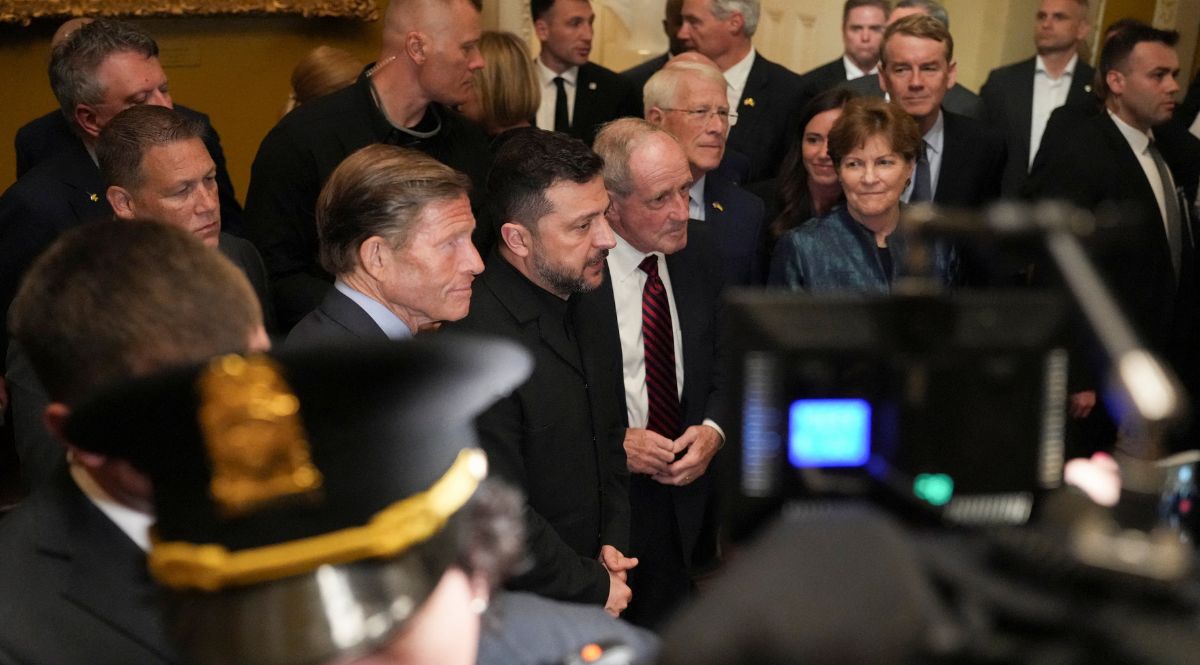
The Act is named in honour of Senator Lindsey Graham, who died before the legislative process was completed. It had previously been passed by both chambers with a substantial majority of votes from members of both parties (by a vote of 86 to 11 in the Senate; 262 to 159 in the House of Representatives). The bill, a bipartisan initiative and the result of over a year’s work by Senators Lindsey Graham (Republican) and Richard Blumenthal (Democrat), aims to increase economic pressure on Russia and Iran. In the case of Russia, the primary aim is to limit revenue from energy exports and extend the impact on countries and entities cooperating with the Russian energy sector. For Iran, the legislation merely extends the 1996 sanctions until 2031.
Codification of sanctions
The Act primarily codifies existing sanctions. It imposes an obligation on the US President to regularly (no later than 30 days after the Act comes into force, and subsequently every 180 days) review individuals and entities supporting the Russian Federation and subject them to blocking sanctions (asset freezes or travel bans to the US). This applies to representatives of the Russian authorities, oligarchs, individuals from third countries involved in circumventing sanctions, and the management and owners of companies operating in the defence, energy and transport sectors. Russia’s exclusion from the US financial system is also maintained. The Act extends the sanctions against the Bank of Russia, Sberbank, VTB Bank, Gazprombank and other key financial institutions subject to previous restrictions. It freezes their assets in the US, restricts their access to the US capital market and maintains the ban on new investments and economic support from US entities. It reaffirms the ban on the export of energy and energy products to Russia, the import of Russian uranium into the US, and new investments in the Russian energy sector.
Trade aspects
The Act introduces new powers for the US President in the field of trade policy. It obliges him to impose tariffs of up to 500 per cent of the value on all goods imported from Russia into the US—of purely political significance given the small scale of imports of Russian products into the US. The Act enables the President to impose additional tariffs of up to 100 per cent on goods imported from countries ranked amongst the top five by volume of Russian oil or gas (including LNG) imports over the past 12 months. Similar measures may be applied to the five countries most actively supporting the circumvention of oil sanctions, in particular shadow fleet activities. However, the legislation does not specify the methodology or data sources on the basis of which these countries will be identified. According to data for the period from September 2025 to August 2026, potential targets of such measures could include China, India, Egypt, Turkey and Belarus in the case of Russian oil imports, and China, Turkey, Belarus, Kazakhstan, Uzbekistan or France in the case of gas imports. Countries importing less than 15 per cent of their gas from Russia and simultaneously reducing their purchases are to be exempt from this obligation. The Act grants the US Presidential administration considerable discretion both in identifying entities that facilitate the circumvention of sanctions and in determining the level of tariffs to be imposed.
Tightening of sanctions against the LNG sector
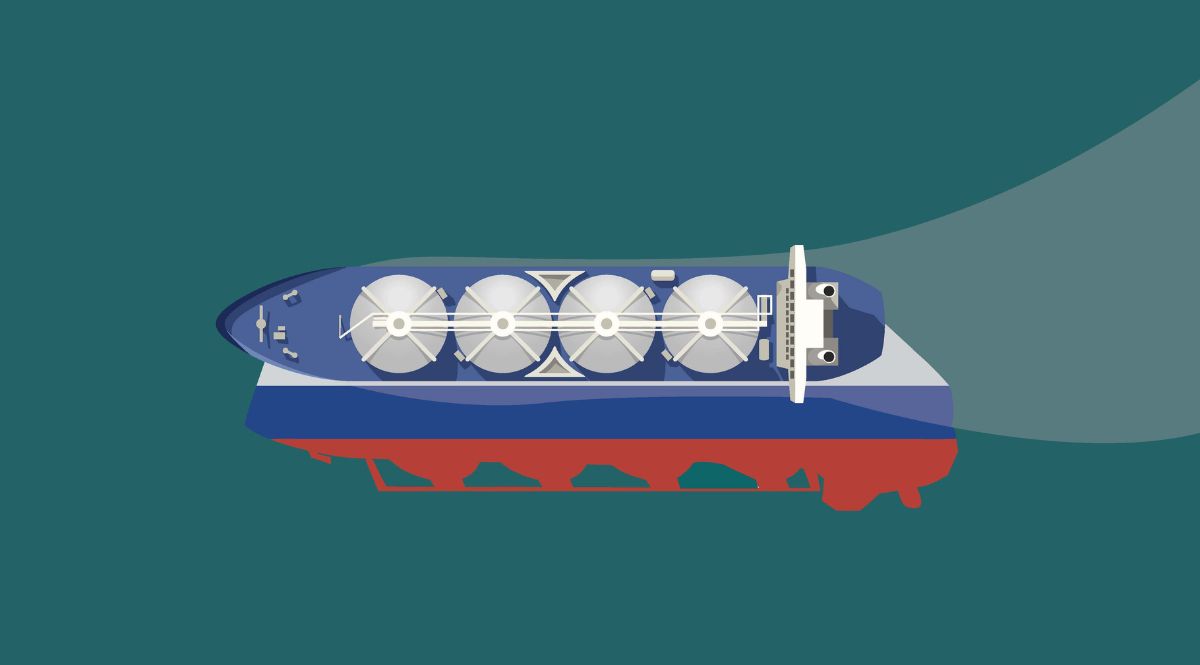
The Act enables the President to extend existing sanctions against Arctic LNG 2 to other Russian Arctic LNG projects, including Yamal LNG, Arctic LNG 1 and 3. Financial sanctions may affect members of the management and boards of these projects, majority shareholders, institutions financing their operations, technology suppliers and entities providing logistics services. Of particular significance is the inclusion of the Yamal LNG project under the restrictions, as it remains Russia’s main LNG export project. The new regulations also cover the transport of LNG. Sanctions may be imposed on LNG carriers used to transport Russian LNG, including specialised Arc7-class vessels capable of year-round navigation in Arctic conditions.
Combating the shadow fleet
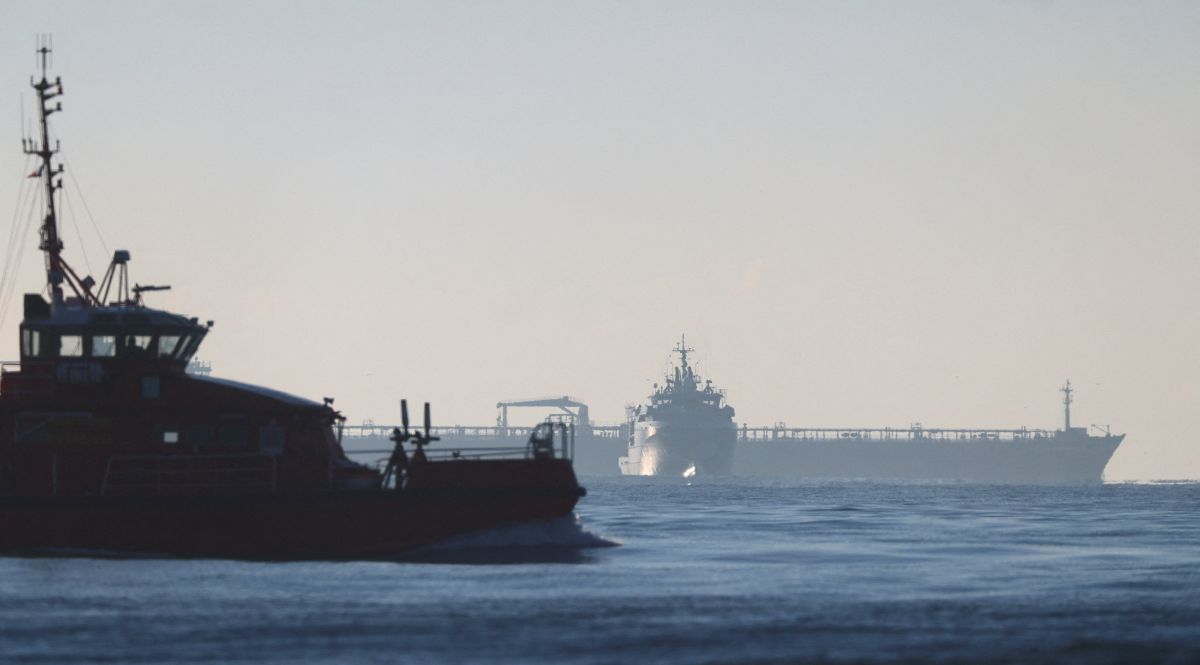
One of the most significant elements of the bill is the expansion of measures against the shadow fleet— the network of tankers used by Russia to export raw materials whilst circumventing Western restrictions. The extremely broad scope of possible sanctions covers vessels carrying crude oil and its derivatives, natural gas (including LNG), uranium, coal, petrochemicals, weapons and other goods transported with the aim of circumventing sanctions. Restrictions may be imposed on vessels involved in circumventing the G7+ price cap, those utilising opaque insurance arrangements or those that fail to meet international standards, or those engaging in unsafe shipping practices, such as tampering with AIS signals, concealing voyage routes or conducting ship-to-ship (STS) transfers. Owners, operators, fleet managers, insurers, financial intermediaries, logistics service providers and entities operating ports used for trade in Russian raw materials may also be subject to these measures. The US administration may use previous sanctions decisions by allies, including the EU and the UK, as a basis for identifying vessels. This facilitates the rapid expansion of sanctions lists and increases pressure on the infrastructure supporting Russian exports.
Mechanisms for suspending and lifting sanctions and tariffs
The President may waive the application of sanctions or tariffs if he deems it to be in the US national interest. Although this requires a written justification to be submitted to Congress, the provision leaves the administration considerable flexibility. At the same time, the Act makes it difficult to lift sanctions against Russia entirely. To do so would require the conclusion of a peace agreement accepted by Ukraine, the cessation of hostilities, and an end to Russian actions targeting Ukrainian statehood. Congress is also granted a minimum of 30 days to assess the President’s decision and the opportunity to block it through a resolution passed by both chambers.
Conclusions and outlook
Despite the broad scope of the Act, most of the measures it provides for have already been applied on the basis of existing legislation and the executive powers of the US administration. The new power granted to the President is the ability to impose tariffs to exert pressure on entities outside Russia that import Russian oil or gas or assist in circumventing oil sanctions. The adoption of the Act is therefore, above all, a strong political signal directed at Russia and the importers of its energy resources.
The effectiveness of the Act will depend on its enforcement. The Trump administration’s practice to date suggests a flexible use of sanctions and their adaptation to current political objectives. While it has applied firm measures against selected Russian energy entities, such as Rosneft and Lukoil, given the situation on the global energy market, it has also frequently granted exemptions and limited the application of secondary sanctions. The prospects for the imposition of higher tariffs on China and India—Russia’s largest trading partners in the oil and gas sector—remain uncertain. High tariffs could lead to a further rise in oil and gas prices, which would exacerbate the record-high fuel prices ahead of the mid-term elections in November this year. India is likely to seek exemptions, whilst China has significant potential for retaliatory measures, particularly in the area of critical raw materials and supply chains. This situation may prompt the US administration to apply the new measures selectively, as well as to use the threat of tariff increases as a means of exerting pressure, including on China.
In practice, the provisions concerning the shadow fleet and the LNG sector may prove to be of the greatest significance, should they be implemented. In both cases, entities operating across the entire supply chain may be subject to sanctions. For the EU, the most significant consequences may stem from sanctions against Yamal LNG and other Arctic projects. If consistently enforced, they could force EU entities to bring forward the end of Russian LNG imports and cooperation in this sector, even before the full EU ban on imports of this commodity from Russia comes into force in 2027. The imposition of increased tariffs on EU countries seems unlikely, given the exemptions provided for in the legislation and the high political costs of such a move.