Shanghai Cooperation Organisation Summit in China Consolidates the Anti-West Bloc
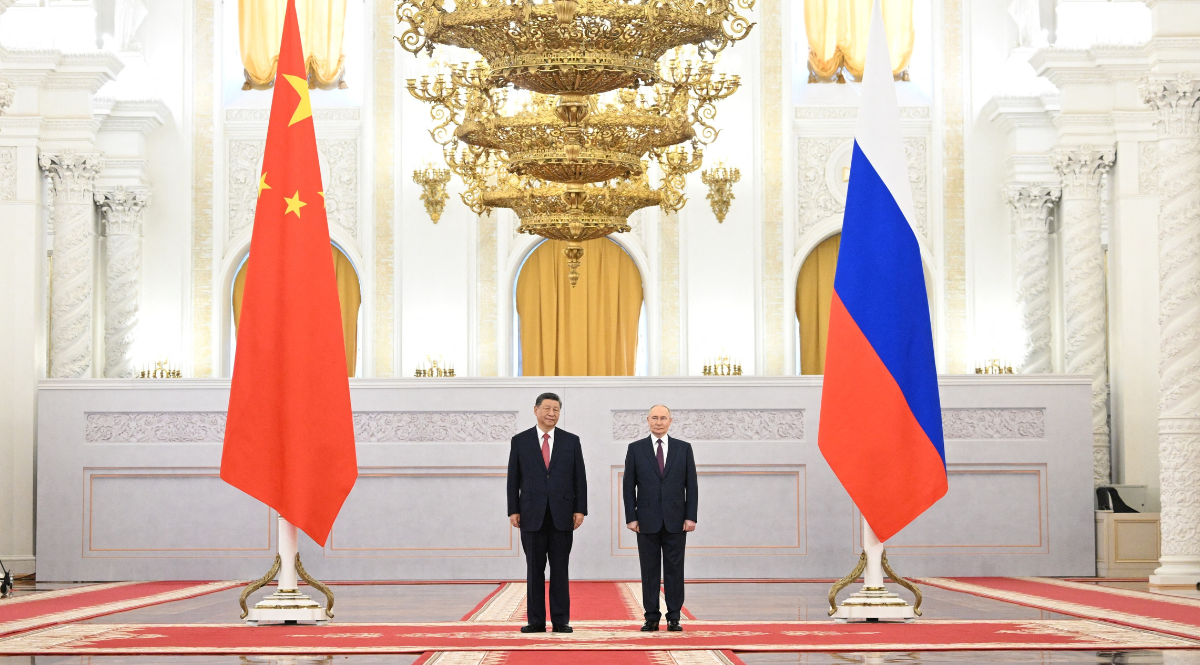
The Shanghai Cooperation Organisation (SCO) summit, held in Tianjin on 30 August to 1 September, helped ease tensions between the main members of the group and deepen cooperation between them on political and economic issues. The SCO is strengthening in opposition to the West and increasing the pressure to change the international order.
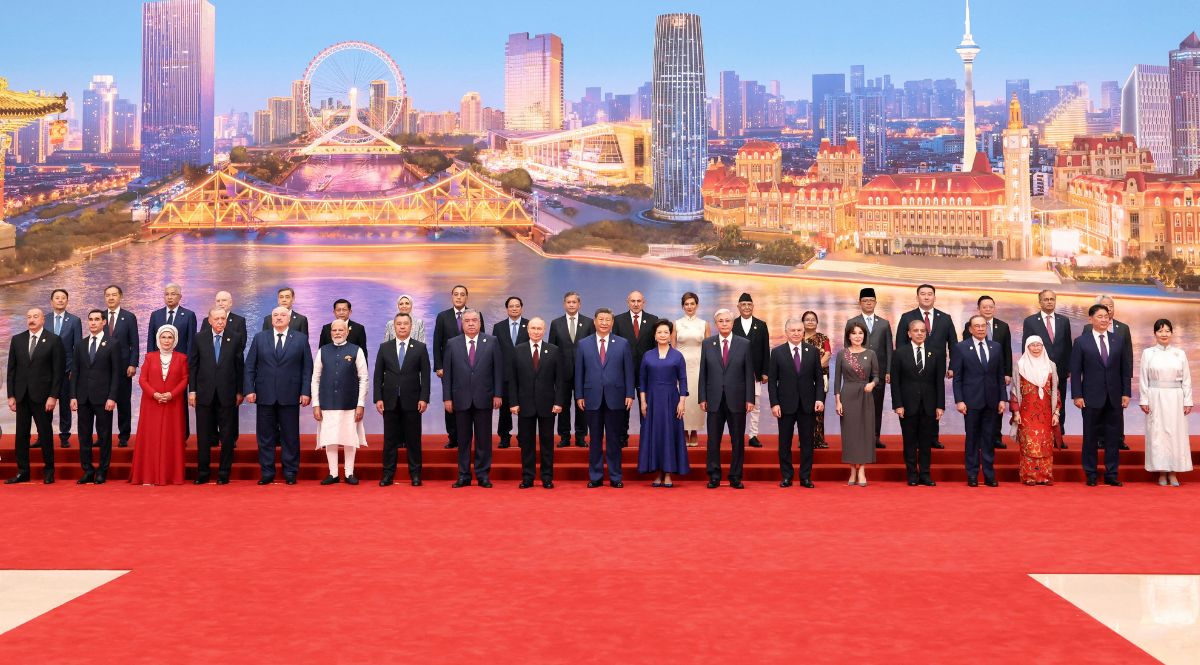 CHINA DAILY / Reuters / Forum
Under what circumstances did the summit take place and who participated?
The SCO leaders summit took place after U.S. President Donald Trump’s meeting with Russia’s Vladimir Putin in Alaska and after the U.S. imposed 50% tariffs on India in August. The latter united the main members of the organisation in opposition to unilateral U.S. pressure. At the same time, U.S. actions against developing countries, including the imposition of tariffs, drastic cuts in aid, and the use of economic blackmail, have lent credibility and increased the appeal of the SCO’s demands of the West among the countries of the Global South, including its use of slogans promoting multilateralism, rejecting a “Cold War mentality”, and building an “inclusive” world. As a result, the 25th SCO summit was the largest and most important meeting of its leaders to date. It was attended by more than 20 heads of state and government, including 10 members of the organisation (among them Chinese President Xi Jinping, Putin, and Prime Minister Narendra Modi of India), several partner countries (e.g., Türkiye’s president and the leader of the military junta in Myanmar) and representatives of international organisations (including the secretaries-general of the UN and ASEAN).
What were the main outcomes of the summit?
The summit ended with the adoption of the Tianjin Declaration and nearly 20 other documents. In the declaration, the leaders of the SCO member states emphasised that the international system is undergoing “profound historic changes” and evolving towards a “more just, equitable equal and representative multipolar world”. They announced deeper cooperation in the fight against terrorism, radicalisation, and drug trafficking. In the document, the leaders “strongly condemned the military aggression launched by Israel and the United States against Iran in June 2025” as well as “actions” in the Gaza Strip and “stressed the need to achieve a comprehensive and lasting ceasefire as soon as possible . The document did not mention the war in Ukraine, which was criticised by the authorities in Kyiv.
The summit showed that the SCO is moving away from its original focus on security issues and now focusing more on support for economic development, tourism, and cultural contacts between members of the group. The summit endorsed China’s proposals to establish the SCO Development Bank, as well as mechanisms for investment, export credits, and strengthening cooperation in the development of artificial intelligence. China announced that it would provide its partners with $280 million in development aid in the form of grants this year and $1.4 billion in loans. Members also highlighted progress in using national currencies in mutual settlements instead of relying on the dollar.
Why did India-China relations normalise?
Prime Minister Modi’s visit to China—his first in seven years—and his meeting with Xi Jinping were important steps towards normalising relations between the largest members of the SCO. Tensions between them since 2020 had weakened the cohesion of the group. The improvement in relations began as early as 2024, but it was Trump administration policy that prompted India to move closer to China. Faced with unstable relations with the U.S., India recognised that it needed peace on the Himalayan border and the development of relations with other economic partners. Although India and China will remain systemic rivals, they are brought together by their shared vision of an international order opposed to the U.S.-dominated system. Trump is thus undoing the efforts of previous American administrations that sought to build trust in relations with India and draw it closer to the U.S. as a counterweight to China in Asia.
What is the international significance of the summit?
The summit proved to be a success for all participants. China strengthened its role as a leader and driving force in the organisation. Russia broke its diplomatic isolation and Putin used the platform to present his version of the reasons for the war in Ukraine. Once again, he argued about an alleged coup in Kyiv in 2014, supported and inspired by the West, and “Western attempts to bring Ukraine into NATO” as the sources of a problem that must be resolved in order to bring about peace. India strengthened its position vis-à-vis the U.S. by showing that it has other partners and will not bow to American pressure on trade issues. Another success for India is the condemnation in the final document of the terrorist attacks in Kashmir in April this year, albeit without any reference to Pakistan, another member of the SCO and where the terrorists originated.
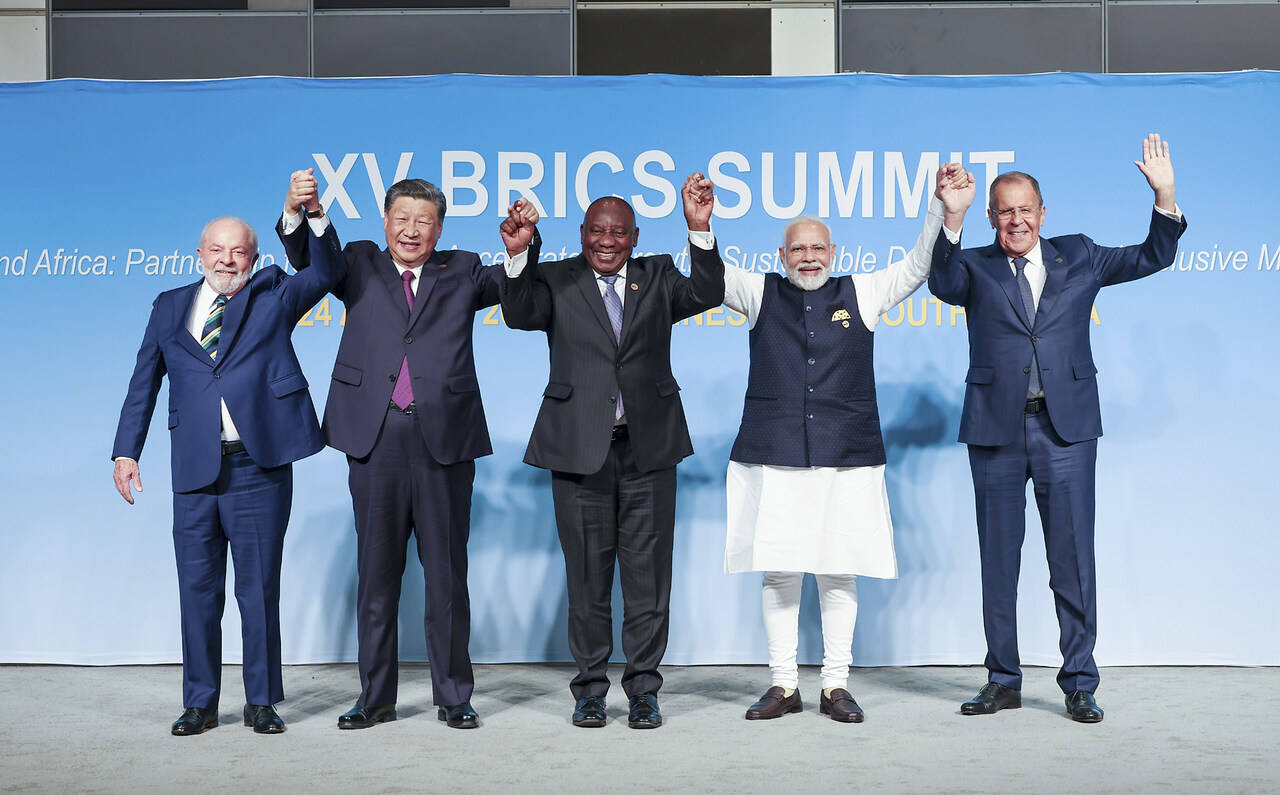
The easing of internal disputes and a strong will to strengthen cooperation in changing the international order reinforces the importance of the SCO as another forum alongside BRICS+ in representing the interests of the Global South in opposition to the West. Increased cohesion within the organisation will strengthen these countries’ pressure for reform of international institutions (such as the World Bank, IMF, and UN Security Council) in which the U.S. and Europe have played a dominant role to date, and it will accelerate the development of alternative institutions for cooperation. The announcement of the creation of the Development Bank increases the economic attractiveness of the group for smaller members. The strengthening of the SCO limits the ability of the EU or the U.S. to exert pressure on the organisation’s members on important issues such as limiting purchases of Russian oil or their position on the war in Ukraine. It is another step towards weakening the position of the U.S. and towards building a multipolar international order.

.png)