Realism or Radicalisation: Meloni Walks Fine Line on European Policy
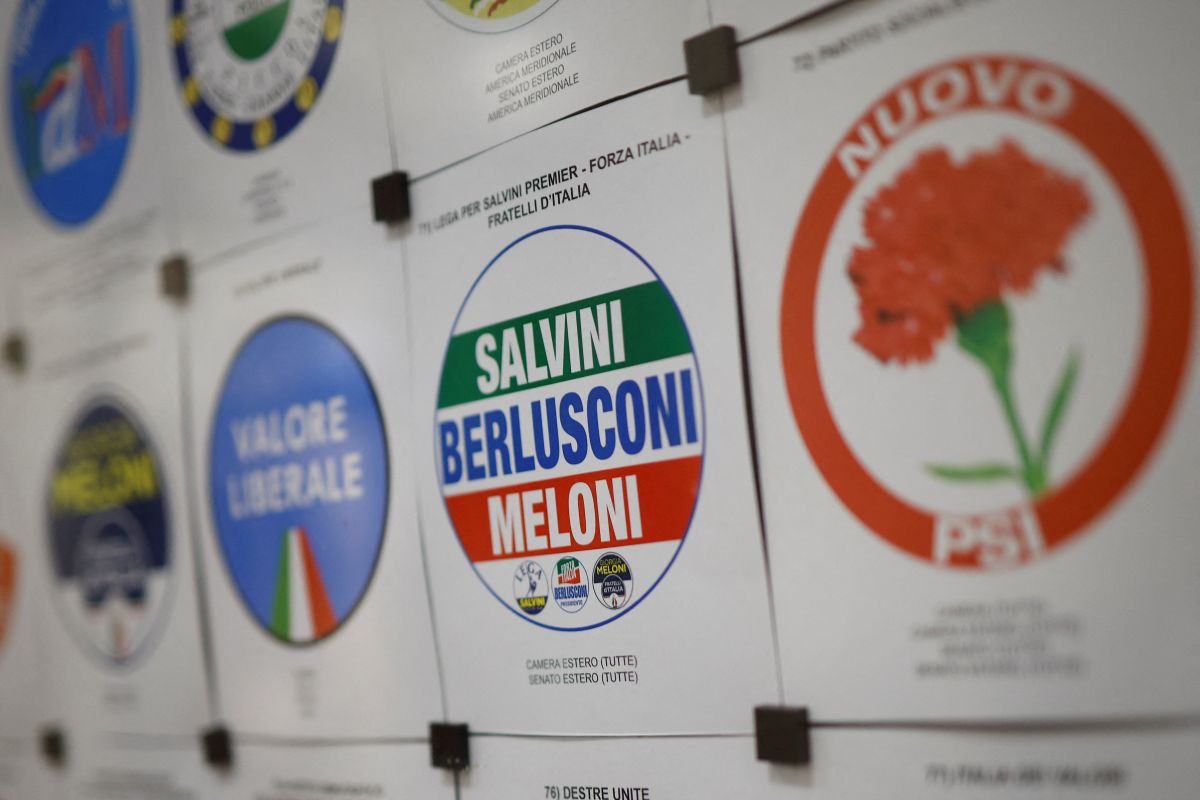
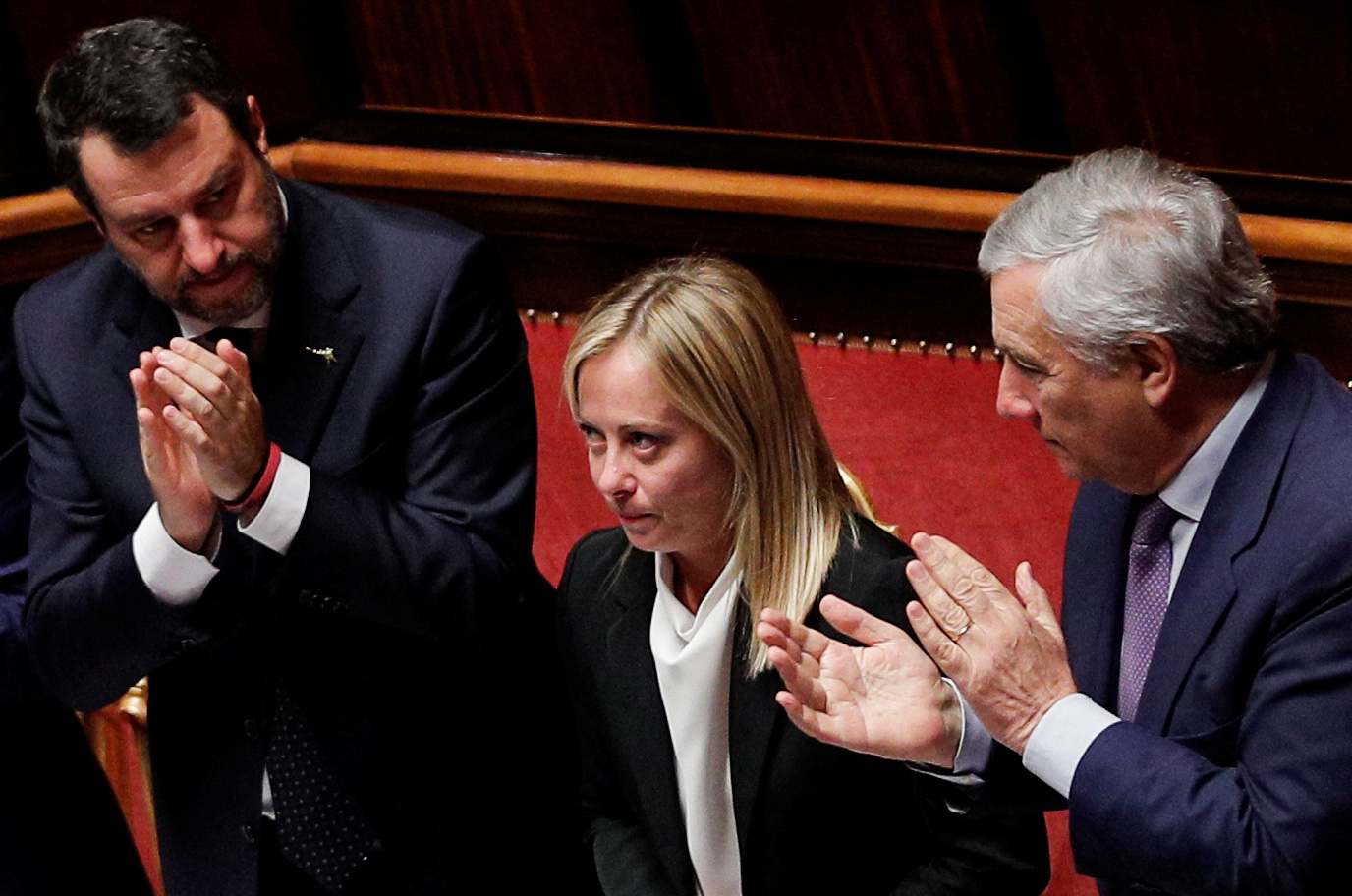
Italy’s difficult situation in public finances and the need for EU assistance on migration issues have prompted the right-wing government to pursue a policy of dialogue with EU institutions and key Member States. However, Prime Minister Giorgia Meloni, who heads the Brothers of Italy (FdI) party, is under pressure from her League coalition partner and her own electorate to emphasise the Eurosceptic elements of her programme. At the same time, the Italian president and coalition partners from Forward Italy (FI) are vying to keep the country at the centre of European politics. The upcoming European Parliament (EP) elections could upset this delicate balance.
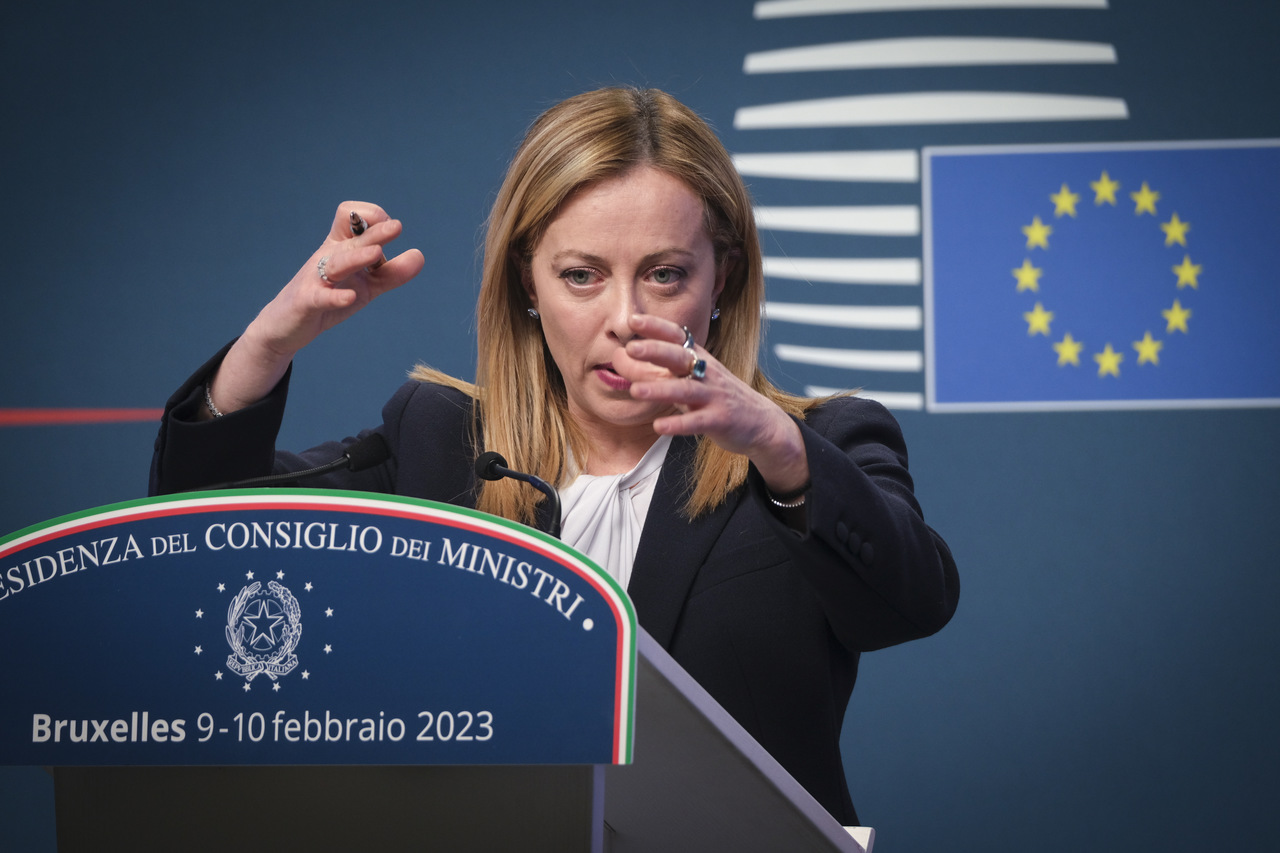 Nicolas Landemard / Zuma Press / Forum
The swearing-in of Giorgia Meloni’s coalition government in the fall of 2022 came amid difficult conditions for Italy caused by the economic consequences of the Russian invasion of Ukraine and the COVID-19 pandemic. An important element further limiting the Italian government’s room for manoeuvre is its debt burden, which is now 150% of GDP, and the cost of servicing it has risen with interest rate hikes. These factors have influenced the rhetoric of the new prime minister since her time in opposition, when Meloni demanded, among other things, an exit from the eurozone and considered Brexit an “act of national liberation”, while being sceptical of the idea of the Next Generation EU recovery plan. In her exposé, however, she hailed Italy’s National Recovery Plan (NRP) as “an extraordinary opportunity to modernise Italy” and the EU as “the common home of European nations”.
Trying a Moderate Course
Meloni, like her pro-EU predecessor Mario Draghi, recognises that the most significant factor in European policy is Franco-German cooperation. The experience with France and Germany of Giuseppe Conte’s confrontational first government (2018-19) is seen as a period of crisis in Italian foreign policy. European policy in the first months of the Meloni government has focused instead on dialogue with the European Commission (EC) and key Member States more than with Eurosceptic ideological allies. Meloni’s actions are similar in this context to the cautious policy of conservative Czech Prime Minister Petr Fiala (whose ODS party, like FdI, is a member of the European Conservatives and Reformists, or ECR, group in the European Parliament). The Italian prime minister has also become a guarantor of continued Italian support for Ukraine, although pro-Russian forces within the coalition have sought to delay the transfer of military aid. Despite radical rhetoric on such issues as migration, Meloni and her cabinet have been wary of domestic policy initiatives that could trigger disputes with the EU over the rule of law. The application of financial sanctions against Italy would additionally harm Italian companies because the country’s difficult budget situation means they have been benefitting only marginally from state aid compared to the two biggest EU economies (77% of the aid approved by the EC in 2022 was for German and French companies, only 7% for Italian ones).
While the Draghi government (2021-2022) sought through its support for treaty reform and the Stability and Growth Pact to make Italy seen as a third “engine” of integration alongside France and Germany, Meloni has taken the tactic of making ad hoc alliances with these countries separately. An agreement with France proved necessary in late 2022 to form a coalition against Germany to set a maximum gas price. Like Italy, France also favours a more restrictive migration policy. President Emmanuel Macron showed solidarity with the Italian prime minister when she demanded in March 2023 that the EU provide financial assistance to Tunisia to stabilise the situation there and stem the migration pressure.
On the other hand, Germany’s favour is needed for Meloni’s advocacy of greater freedom to allocate NRP funds to investments of strategic importance (e.g., making Italy a gas hub for Europe), as well as a permanent relaxation of EU budget deficit rules. While NRP funds have made Italy a net recipient of EU funds in the past two years, there is concern that, as it stands, the allocations will not be able to be fully utilised. Germany and Italy are also united by their openness to the accession of the Western Balkan countries to the EU.
Italy’s moderate course toward the EU is also being pressed by domestic forces. The stabilising element in relations with France, Germany, and the EC is the policy of President Sergio Mattarella. Coalition member FI is also in favour of keeping Italy in the EU mainstream, with the party’s Antonio Tajani representing an important role in the government as foreign minister. Draghi also promised to support the government’s actions in the EU on the condition that it maintains a moderate course. EU Economy Commissioner Paolo Gentiloni, who hails from the Italian centre-left, is also an important ally on budget issues.
An opportunity for Meloni to expand her room to manoeuvre in European politics is the EP elections scheduled for spring 2024. The FdI, which is still leading in the polls, can count on a significant increase in the number of MEPs (currently there are nine), levelling up in the grouping against the Polish Law and Justice (PiS) party which dominates the ECR (24 MEPs). The rise in support for Eurosceptic parties in some EU countries could result in a weakening of the hegemony of the four Euro-enthusiastic parties (the European People’s Party, or EPP, the Socialists and Democrats, Renew Europe, and the Greens). This could make an alliance between the ECR and the EPP possible, which is facilitated by the situation in several member states where similar coalitions have already taken place (Czechia, Italy, Sweden) or may take place in the near future (Spain). The EPP and the ECR would work together to create a more Eurosceptic-friendly composition in the EC.
Temptation to Radicalise
An alternative scenario to an agreement between the ECR and the EPP would be cooperation with the far-right Identity and Democracy (ID) alliance, which includes the Italian League or Marine Le Pen’s French National Rally, among others. Its effect would be to deepen the isolation of both the ECR and ID from all other factions. The contradiction in Meloni’s aspirations is that, while expanding the room for manoeuvre in European politics requires opening toward the centre-right, realising the FdI’s electoral ambitions inside the country depends on capturing as much of the League’s electorate as possible. The latter would mean FdI’s return to the radical rhetoric of previous years, with them taking unilateral steps on migration policy for campaign purposes, attempting to politicise the judiciary, or going out of its way to reduce the deficit.
Meloni’s ambiguous record of dialogue so far with the EC, Germany, and France may lead to radicalisation too. They are far from agreement on migration issues (although Italy’s key claim of relocating migrants is opposed by allies Poland and Hungary) and another ship of migrants could lead to a reconstitution of disputes with France over the priority of the obligation to accept them. Both the opposition and the League coalition partner may criticise the Green Deal Industrial Plan provisions favouring Germany and France. Italy is the only eurozone country that still has not ratified reform of the European Stability Mechanism (ESM). While pressured by the EC and partners to do so, Meloni responds by demanding that the ESM also serve reindustrialisation, not just financial stability.
Conclusions
The primary challenge in Italian European policy will remain how to push the country’s interests in the difficult conditions caused by the budget situation and the economic crisis. While the Meloni government has broken with Draghi’s preferred strategy of symbiosis with France, Germany, and the EC, it is simultaneously making efforts to avoid direct confrontation. A negative assessment of this policy may be visible during the upcoming EP election campaign on the part of both the Euro-enthusiastic wing of the opposition and from the government’s League coalition partner.
Meloni wants to see a significant surge of right-wing forces from the next EP elections. The crucial choice facing the ECR, which includes the FdI, will which course to take, toward a coalition with the EPP or toward closer ties with the ID. From the point of view of Italy’s interests, only the first path would allow more room for manoeuvre in European politics. However, the internal contradictions within the ECR, the EPP, and the Italian coalition could derail this scenario.
While the months leading up to the elections may bring new declarations of close cooperation between the Polish and Italian governments, as well as between the dominant parties in both coalitions, the history of Poland’s dispute with the EC is a cautionary tale for Meloni rather than a path to follow. Aside from common opposition to treaty changes proposed by Germany and France and general criticism of EU bureaucracy, there is a shortage of topics that could form the basis for deeper Italian-Polish cooperation in the EU.