
Poland and France Sign Treaty on Enhanced Cooperation and Friendship
Signed by Poland and France on 9 May in Nancy, the Treaty on Enhanced Cooperation and Friendship creates a new foundation for Polish-French relations, heralding their deepening in the fields of defence, economy, and energy. Although strengthening relations with one of the European countries with the largest military and economic potential is beneficial for Poland, the key challenge will be to effectively translate the provisions of the treaty into practical cooperation, including in the defence, energy, and economic sectors.
.jpg) CHRISTOPHE PETIT TESSON / Reuters / Forum
CHRISTOPHE PETIT TESSON / Reuters / Forum
What were the circumstances surrounding the treaty’s signing and what were the objectives of both parties?
The signing ceremony occurred on Europe Day in Nancy, a city historically linked to Poland. The new document supersedes the previous Treaty of Friendship and Solidarity established in 1991, along with subsequent strategic partnership declarations, which are now considered outdated due to changes in Europe’s overall security situation. The signing follows the intensification of political dialogue between the two countries and recognises Poland as one of France’s key partners. The text signifies an upgrade in relations with Poland, elevating them to the level of strategic ties similar to those with Germany, Italy, and Spain. For Poland, this is a crucial step in enhancing its security, modernising bilateral agreements, and affirming its increasing strategic importance. The initiative provides an opportunity to attract more European funding by actively encouraging companies to engage in joint industrial projects and support collaboration between businesses. This can lead to various outcomes, including the modernisation of the arms industry, the development of new technologies, increased innovation, collaborative research and development activities, and potential technology transfer. The text reflects the pragmatic approach of French policy, which aims to establish a privileged relationship to secure a partner for implementing projects in key areas such as defence and energy. It also seeks to create new opportunities for exporting goods and investing capital for French companies. France aims to enhance its diplomatic leadership in the region and reinforce its position as the primary state responsible for European security. The treaty also highlights the importance of the Weimar Triangle and the European Political Community as platforms for consultation and dialogue.
In which areas and through what means do Poland and France want to enhance their cooperation?
The treaty emphasises the importance of cooperation in security and defence, particularly in light of the security threat posed by Russia’s aggression against Ukraine. It outlines the necessity of creating a lasting framework for peace in Europe. Specifically, the parties have committed to providing mutual assistance in the event of an armed attack on each other’s territory. Additionally, they expressed their intention to collaborate on migration policy and cyberspace in relation to security threats. They acknowledged the strong cooperation in the face of hybrid threats thus far and committed to working together to protect critical infrastructure. A significant portion of the treaty focuses on energy, the economy, industry, and digital policy. Given the global challenges facing Europe, it is especially important that the parties are committed to enhancing the competitiveness and resilience of their economies. This includes increasing production, accelerating reindustrialisation and digital transformation, and pursuing decarbonisation. The treaty establishes a solid foundation for collaborative industrial projects aimed at developing future technologies such as artificial intelligence, quantum computing, biotechnology, microelectronics, cloud computing, and hydrogen technologies.
The treaty sets out the main new form of consultation as annual bilateral summits. They will be chaired by the Polish prime minister and the French president, with participation from members of both governments. Additionally, representatives from the Ministry of Foreign Affairs will oversee the implementation of the treaty and the outcomes of the summits. Other forms of consultation are broadly addressed in the treaty, which allows for inter-ministerial dialogues. This includes regular annual meetings among the ministers of defence, economy, finance, and energy, as well as consultations involving officials, inter-parliamentary discussions, and representatives from civil society and the business sector.
Does the treaty strengthen security guarantees for Poland, including nuclear deterrence?
Although the treaty does not create new alliance commitments, its signing emphasises their importance for both countries, thus sending a deterrent signal to Russia. This is particularly true of Article 4.2, which stipulates that in the event of an attack on their territory, both parties will provide mutual assistance, including with military means. It refers to the commitments already binding both countries under NATO Article 5 on mutual defence and the solidarity clause in Article 42.7 of the Treaty on European Union (TEU).
The agreement does not directly address the issue of nuclear deterrence, but cooperation in this area is to be discussed further in more detail, as noted by Prime Minister Donald Tusk. President Emmanuel Macron also referred to this issue. He pointed to the need for discretion in nuclear weapons matters, while declaring that the treaty clause on mutual assistance “involves all the components”. He also reiterated that French nuclear deterrence and the “vital interests” protected by it have a “European dimension” and that when defining them, the interests of France’s “main partners” will be taken into account. This is the strongest indication yet from the French leader of the possibility of using nuclear weapons in defence of Poland, while maintaining France’s traditional ambiguity. It is intended to strengthen deterrence by making it more difficult for opponents to calculate the threshold for the use of French nuclear weapons, as well as to demonstrate France's independence in making such a decision. However, stronger references to nuclear deterrence were included in the 2010 agreement with the United Kingdom (which stipulates the overlap of the “vital interests” of both countries) and Germany in 2019 (which refers to the “inseparable character” of their security interests and to, similarly to TEU Article 42.7, the use of all available means in mutual defence).
What cooperation in the field of defence and security does the agreement provide for?
Poland and France have committed to continuing dialogue and cooperation in strengthening the interoperability of their armed forces, arms development, the potential of their defence industries and partnerships between them, countering hybrid threats and disinformation, exchanging information, and training. The most notable new feature is the greater emphasis on strengthening European defence, including the EU’s and its members’ capabilities for independent action and the European Defence Technological and Industrial Base (EDTIB). This is intended to strengthen, not replace, NATO and cooperation with the United States, which expects its allies to take greater responsibility for their own security.
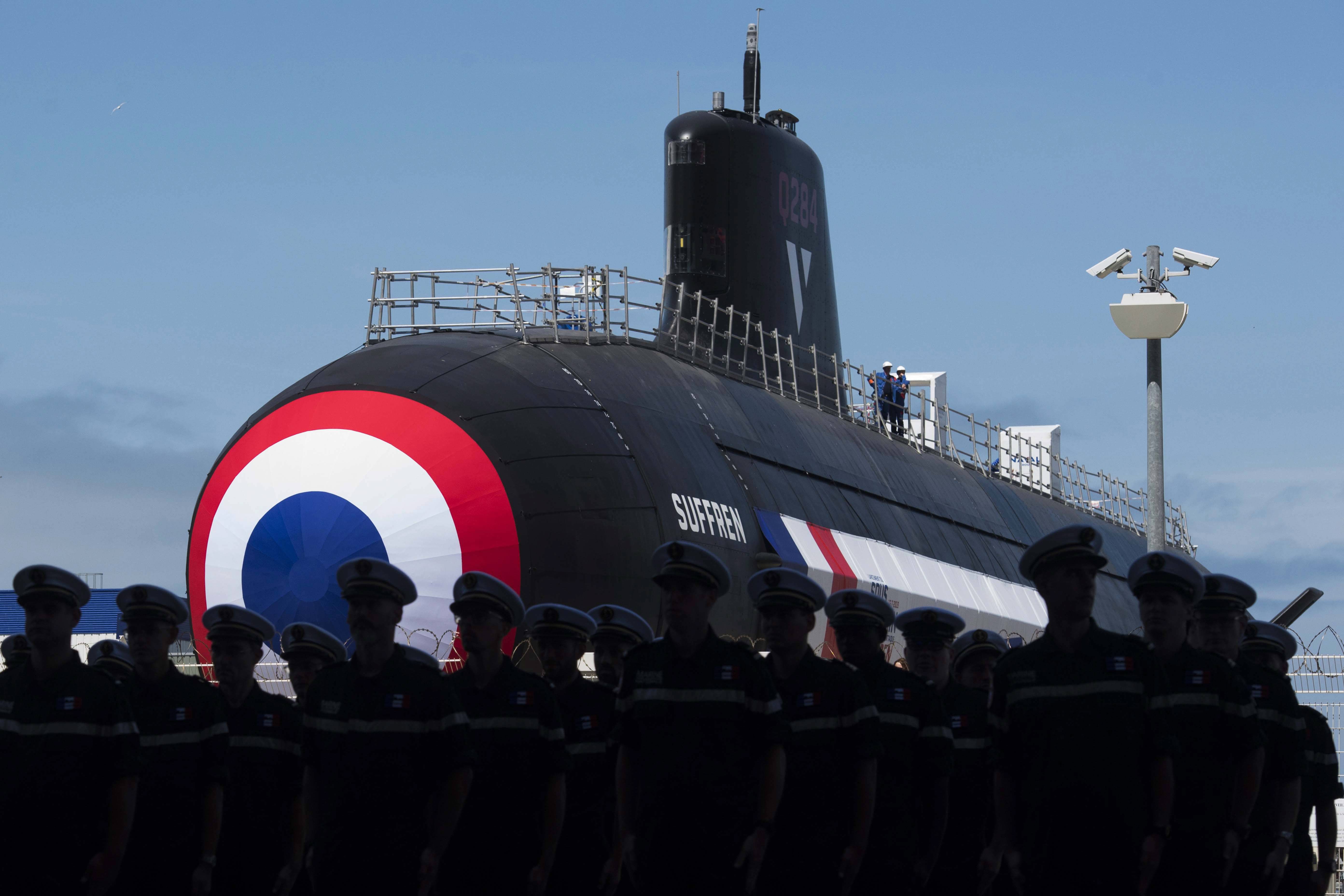
France is counting on participation in Polish arms contracts (including by selling it submarines and air-refuelling aircraft), especially since both countries have agreed to promote a “European preference” in arms purchases. Poland hopes for technology transfer and the participation of Polish industry in production, particularly of artillery ammunition and long-range missiles. Reconciling these expectations may be challenging, as indicated by French opposition a few years ago to Poland’s intention to join the Franco-German tank project (MGCS).
It is possible that the military exercises announced by both countries will be related to France’s efforts to strengthen its ability to deploy ground troops to NATO’s Eastern Flank. But while they are substantial compared to other European countries, they will remain limited (by 2027, France aims to be able to deploy one division in 30 days), especially in view of the possible need to simultaneously support French troops already present in Romania and the Baltic states. There seems to be greater potential for cooperation in the air domain, which may also include nuclear deterrence, with signalling as clear as possible to Russia being in Poland’s interest. It is possible that further discussions in this area will lead to more frequent visits to Poland by nuclear-capable Rafale aircraft (where they deployed at the end of April) or the participation of the Polish Air Force as support in the exercises in France.



(1).png)