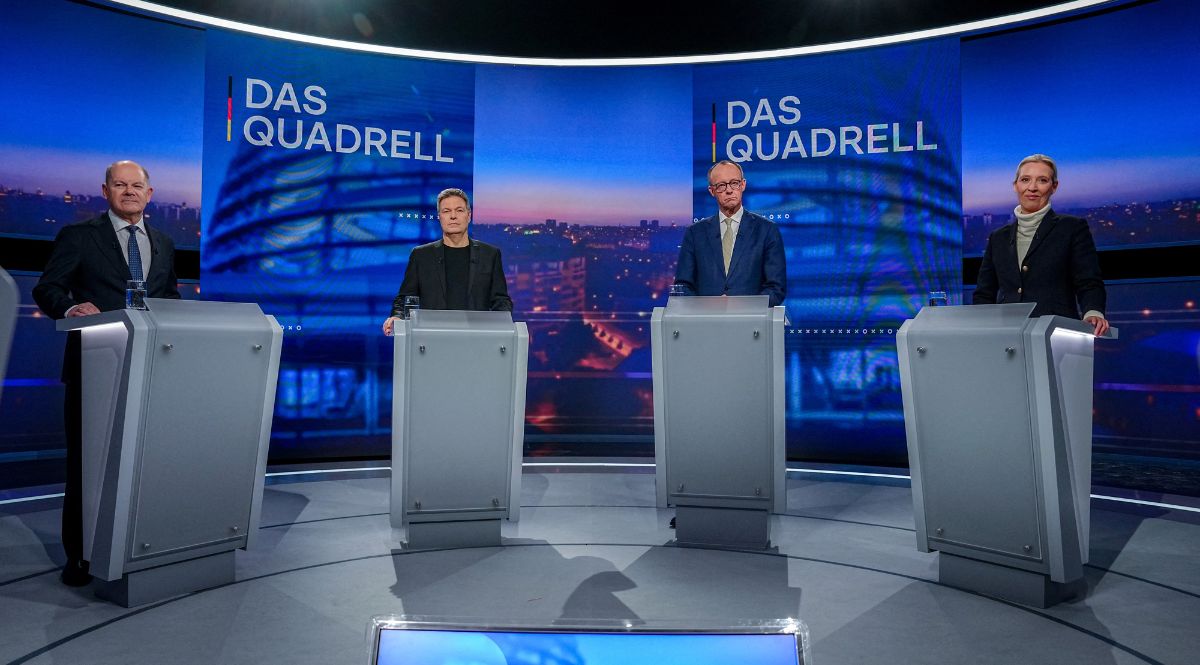
Parliamentary Elections Shake up German Politics
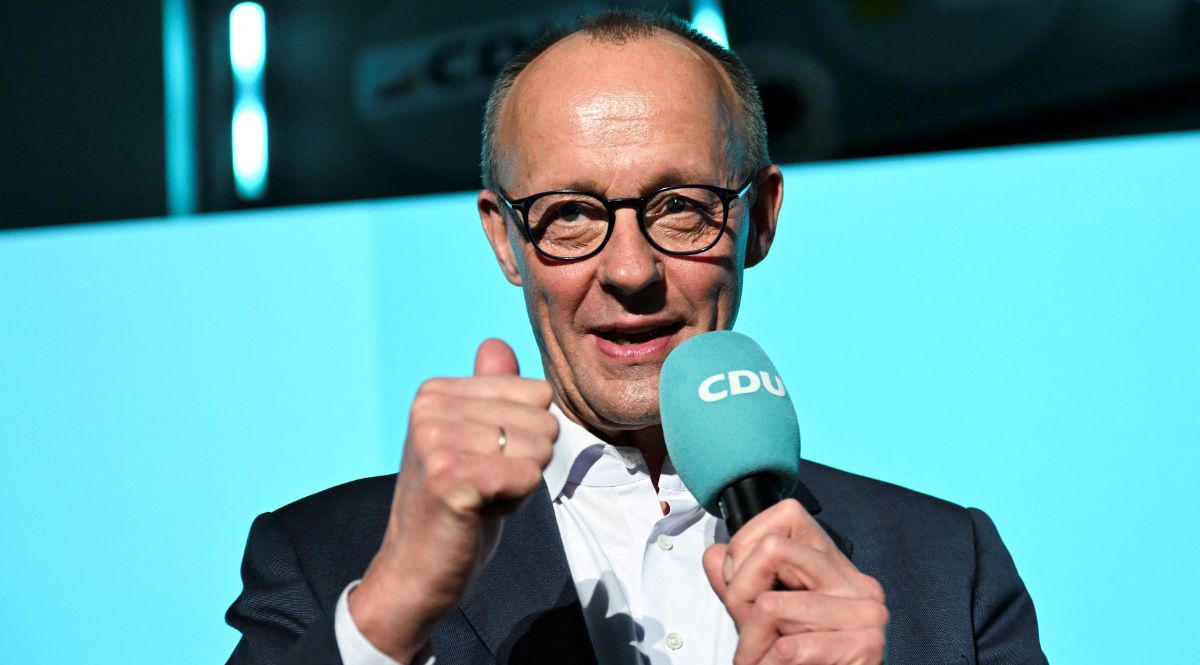
Victorious in this week’s parliamentary elections in Germany were the CDU/CSU (28.5%). Its leader Friedrich Merz will become Germany’s next Chancellor. The party was followed by the right-wing populist AfD (20.5%) and the left-wing Die Linke (8.8%). The previous governing coalition suffered defeat: the social-democratic SPD recorded its worst results in post-war history (16.4%) and the liberal FDP failed to cross the 5% election threshold, although the Greens gained 11.6%. The left-wing populist BSW will also not be present in the Bundestag.
 Angelika Warmuth / Reuters / Forum
What shaped the election results?
The main themes of the campaign were limiting migration to Germany and the economic stagnation that has been ongoing since 2023. The CDU’s victory was due to Merz’s overhaul of the party, with a return to conservative moral values and demands for a decisive toughening of migration policy. In terms of the economy, the CDU promised a return to economic growth through deregulation and tax cuts for businesses, which helped to attract some liberal voters. The AfD’s success came from its consistent presentation of anti-migrant slogans, including demands for the mass deportation from Germany of people without residency rights. Support for the party also indicates the public’s growing distrust of other political forces. Die Linke, basing its campaign on demands for the expansion of social benefits at both the national and EU levels helped it win third in the elections. Disappointment with the record of Chancellor Olaf Scholz’s government and the split in the governing coalition in November last year contributed to the defeat of the grouping of Social Democrats, Liberals, and Greens.
Who will form the new governing coalition?
The CDU leader’s goal was to win with such an advantage over the other parties as to avoid the necessity of forming a three-party coalition. Merz publicly excluded cooperation with the AfD as well as the option of a minority government. The election results indicate that the next government will be formed as a “grand coalition” of CDU/CSU and SPD without Scholz and his colleagues in government. The lack of an alternative to such an alliance will strengthen the Social Democrats’ bargaining position in the coalition negotiations. Merz, in turn, will be keen to take the Chancellorship as soon as possible. Given the many differences over social spending, acceptable debt, migration policy, and other matters, the new coalition will require far-reaching compromises by both parties.
What are the AfD’s political prospects?
Alternative for Germany was the most successful party in this election after the CDU/CSU. Compared to the 2021 Bundestag elections, when it won 10.3% of the vote, it doubled its support. The very good electoral result combined with the successes of the last year—second place in the elections to the European Parliament and victory in the Bundesländer elections in Thuringia—indicate the party’s growing presence in Germany’s politics. In the eastern states it now has the status of the largest political force. The AfD, however, will continue to be isolated by the other parties, which see it as an extremist grouping that threatens the democratic order. The AfD’s long-term goal is to win power in the next elections, scheduled for 2029. This year’s results mean that it will be the largest opposition party, which gives it a positive starting position to expand its influence and have a wider impact on public discourse than before.
How will the election results impact Germany’s foreign policy?
In addition to migration and the economy, another important topic in the election campaign was international affairs. The foundations of German foreign policy (transatlantic ties and a commitment to European integration) are not expected to be revised, but in view of Elon Musk and U.S. Vice President J.D. Vance’s public support of the AfD, U.S.-Russian negotiations over Ukraine, and the prospect of reduced U.S. involvement in Europe, the new government will act in two directions. As Chancellor, Merz will likely attempt rapprochement with President Donald Trump and his administration to preserve the U.S. presence in Germany and Europe. To this end, he likely will declare a further increase in German defence spending and specifically purchases of American military equipment. At the same time, he will work to strengthen European defence capabilities and gradually reduce dependence on the U.S. in the security sphere. Germany may be more open than before to new sources of funding for defence projects at the EU level. As a first step, though, they will seek to take advantage of funding mechanisms already in place. Support for Ukraine will continue but its scope will be a result of a compromise between the CDU and coalition partner(s). The involvement of German companies will result in Germany maintaining its current policy towards China. It is also possible to expect closer cooperation with France and Poland, both bilaterally and in the Weimar Triangle format, in the fields of security and infrastructure, among others. Tensions in bilateral relations with Poland could be triggered by the CDU’s call for the reintroduction of permanent border controls and the turning back of migrants at the Polish-German border.

.png)
.png)