
Parliamentary elections in the Republic of Cyprus
On 24 May this year, parliamentary elections were held in Cyprus. Their results will further erode the existing “classic quartet” system of four parties that have dominated the political scene since the island’s first years of independence, which began in 1960. The rise in support for nationalist groups, whilst not directly undermining President Nikos Christodoulides’ pro-European stance, may lead to a hardening of his position on migration policy.
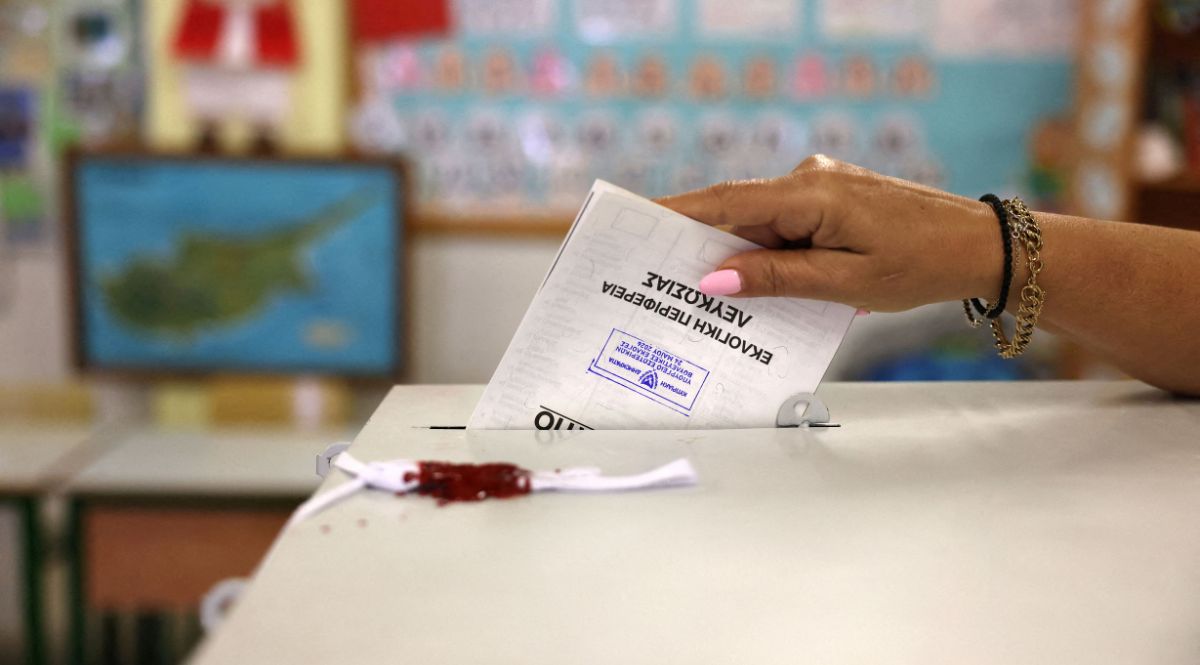 Yiannis Kourtoglou / Reuters / Forum
How will the composition of the House of Representatives change?
Only 56 MPs were elected to the current 80-seat House, because the 24 seats reserved for the Turkish community have been vacant since 1963. The strongest positions were retained by members of the quartet, the Christian democratic Democratic Rally (DISY) and the Marxist and Eurosceptic Progressive Party of Working People (AKEL). They won 27% and 24% of the vote, respectively, allowing them to keep their 17 and 15 MPs. The centrist Democratic Party (DIKO) secured 10% of the vote, which gives it 8 seats (-1). However, the nationalist Socialist Party (EDEK) and the Democratic Front – formed following a split in DIKO – failed to pass the 3.6% electoral threshold, resulting in the loss of their 3 and 4 MPs respectively. The elections strengthened anti-establishment groups in the House. The far-right nationalist and pro-Russian National People’s Front (ELAM)—the Cypriot branch of the fascist Golden Dawn, banned in Greece—secured 11% of the vote and 8 seats (+5). For the first time, the centrist Citizens for Cyprus, led by former Auditor-General Odysseas Michaelides, who is critical of corruption, and Direct Democracy Cyprus, led by the pro-Russian independent MEP Fidias Panayotou, entered the House, with 6% and 5% of the vote respectively, giving them 4 MPs each.
What led to the success of the anti-establishment parties?
The election was viewed by voters as a referendum on trust in state institutions and the political system. Outsider parties pointed to the establishment quartet as the source of Cyprus’s structural problems. Raising the issue of the high cost of living—including one of the highest electricity prices in the EU—as well as housing and water supply problems, they criticised clientelism, nepotism and corruption. The exposure of the “Sandy scandal” concerning alleged irregularities in the judiciary came as a shock to the public in March. The “golden passport” programme was a manifestation of systemic corruption, with Russian oligarchs acquiring Cypriot citizenship under this scheme. Officially suspended in 2020 under pressure from the European Commission, the programme was not fully abolished until December 2025. ELAM also highlighted the issue of illegal migration—Cyprus is one of the EU countries most affected by it on a per capita basis—and portrayed it as a threat to national security. The issue of the island’s reunification, although present in the campaign, as is traditional, did not play a significant role.
How will the election result affect President Christodoulidis’s cabinet?
Cyprus is the only country in the EU with a fully presidential system, and the head of state directly heads the government. Consequently, the result of the parliamentary elections will not lead to the resignation of the cabinet, although it will further restrict its legislative freedom. Its parliamentary base will be reduced; while it retains the support of DIKO, it has lost the backing of the Democratic Front and EDEK after both failed to enter the House. In the new term, this fragmentation will force the president to form ad hoc alliances for specific projects. However, the growing strength of anti-establishment parties, coupled with their reluctance to cooperate with him, may result in parliamentary deadlock. This could push the president to attempt reconciliation with DISY, which expelled him in 2023 for standing in the presidential election against its wishes. Securing DISY’s support would boost his chances of re-election in 2028, given his public approval currently stands at around 30%.
How will the election results affect Cyprus’s foreign policy?
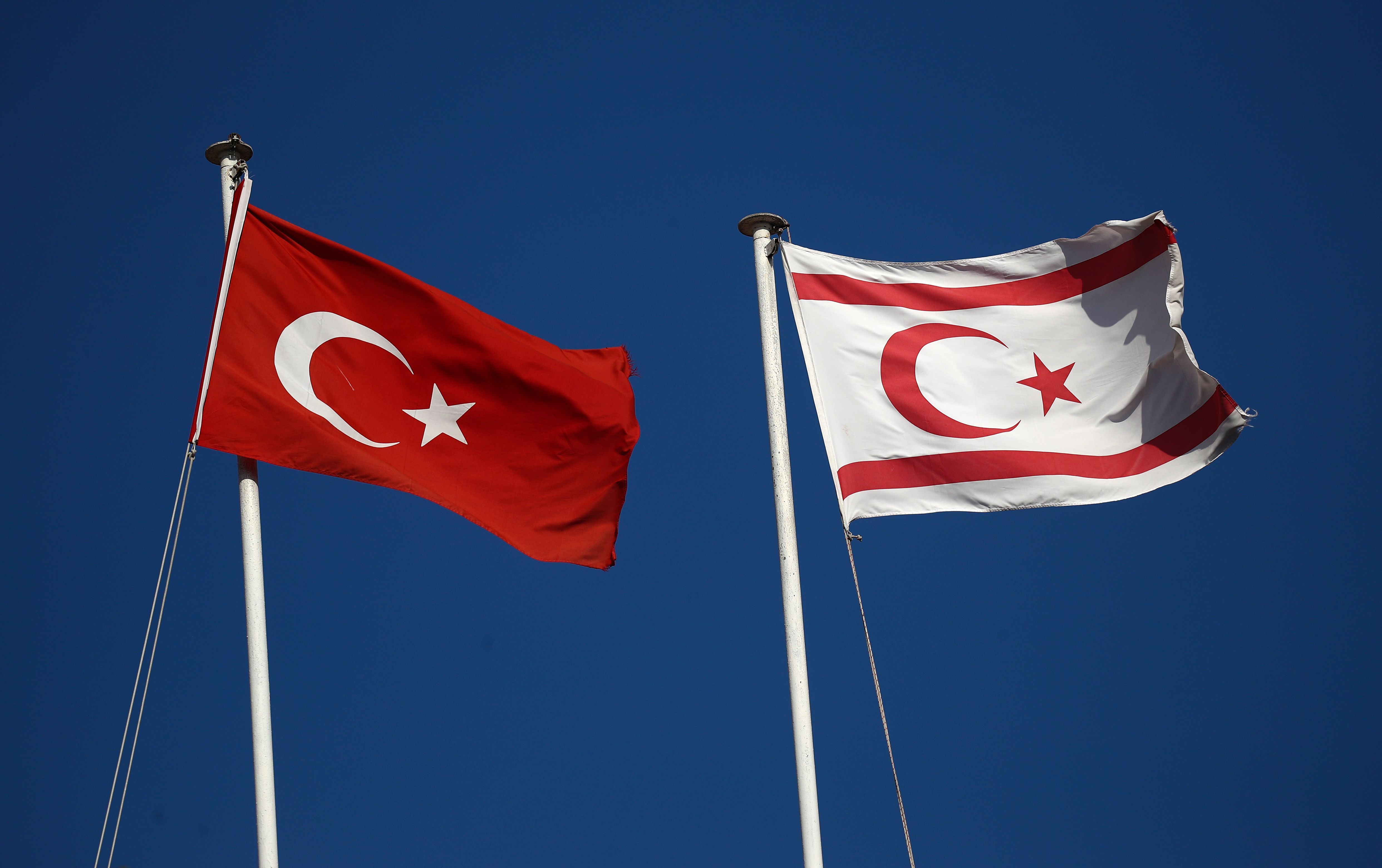
The election campaign did not disrupt Cyprus’s presidency of the EU Council, which will continue until the end of June. The election results will also not bring any significant changes to its foreign policy. The president, who shapes the agenda, will maintain a clearly pro-European stance, which will be aided by the fact that DISY, aligned with this approach, retains the strongest position in the House. However, the rise in nationalist sentiment among the electorate may prompt the president to push for a tougher policy on illegal migration within the EU and to demand greater support for Cyprus to manage the issue. It may also persuade him to adopt a less conciliatory stance towards Turkey and the separatist Northern Cyprus, which is effectively a Turkish protectorate. Although the issue of reunification has not been a priority for Christodoulides, he has still sought to resume the official negotiations suspended since 2017. Despite Turkish protests, the president will also seek to strengthen the alliance with Greece and defence cooperation with France, Israel and within the EU. This policy would be bolstered by public fears regarding the US-Israeli conflict with Iran, which intensified following drone attacks on British military bases in Cyprus.


.jpg)