
Northern Kosovo Dispute Escalates Again
Extraordinary by-elections in the north of Kosovo scheduled originally for 18 and 25 December of this year are now not due to take place until 2023. Both the original announcement and the postponement of the elections are iterations of the ongoing Serbia-Kosovo dispute. It was exacerbated by Kosovo’s progress in European integration, including its 15 December application for EU membership, and Serbian favouritism of Russia in its war with Ukraine. Failure to effectively resolve the dispute increases the risk of destabilisation in the Balkans, including in connection with this war.
 FLORION GOGA / Reuters / Forum
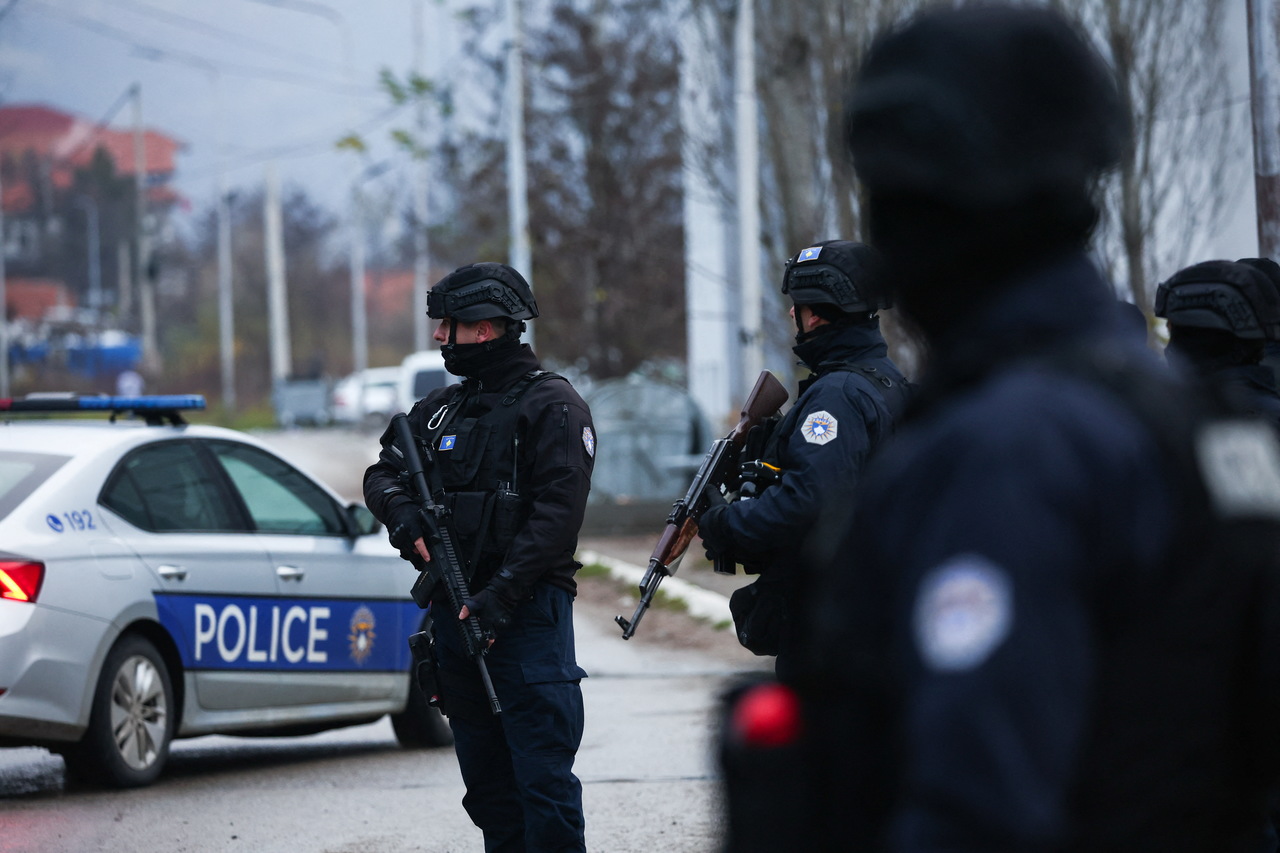
In early December, incidents involving firearms and stun grenades occurred in the north of Kosovo. Local Serbs, some acting in organised groups, blocked roads leading to two border points between Kosovo and Serbia—a regular method of protest. Other incidents included attacks on election commission offices as well as on journalists, Kosovo police officers, and members of the EULEX mission, as well as arsons of cars with Kosovo registration plates.
The Source of Renewed Tensions
The immediate cause of the recent destabilisation in the north of Kosovo was the boycott of Kosovar institutions by local Serbs. They resigned en masse from their positions in the parliament, where they are guaranteed 10 of the 120 seats, as well as the local administration, prosecutor's office, police, and judiciary. This was initiated by politicians from the Serb List, the main Serbian party in Kosovo, which is financed and controlled by Serbia. They were prompted by the November resignation of the police chief in Mitrovica who refused to implement the government’s decision on standardising license plates. The new rules included a transition period from 1 November this year until 21 April 2023 during which police officers were to give reprimands to Kosovo residents using vehicles without Kosovar registration plates. After that period, the sanction would be a fine. The new regulations primarily affected Serbs in four municipalities in northern Kosovo where they are in the majority and commonly use Serbia-issued license plates.
The incidents are the third escalation since incidents in September 2021 and August 2022, each following the failure to reach a compromise settlement of the license plate dispute. An attempt to replace Serbian plates with Kosovar ones was made by the government of Albin Kurti, prime minister since March 2021 (and also briefly before that in 2020), whose Self-Determination party won last year’s early parliamentary elections in Kosovo by a large margin, promising, among other things, full sovereignty, especially in its actions toward Serbia. For this reason, he is reluctant to work out compromise solutions in the Serbia-Kosovo dialogue, which has been conducted since 2011 under the auspices of the European Union.
Further Escalation of the Dispute
The December 2022 escalation is broader in scope than previous ones. While previously its source and the subject of negotiations leading to a compromise, albeit unsustainable, solution was the license plate issue, the current escalation has led to an institutional crisis. To avert it, in mid-November President Vjosa Osmani announced extraordinary by-elections in December for the institutions from which the Serb representatives resigned.
The decision to hold the elections led to further escalation. Local Serbs, among others, destroyed the offices of the Central Election Commission in Zubin Potok and Mitrovica in a bid to prevent the Kosovo authorities from smoothly handling the institutional crisis, which would have demonstrated the ineffectiveness of the Serbian protests. The Kurti government, in turn, deemed the incidents a terrorist attack and named the Serbian authorities as responsible for funding and directing the activities of organised crime groups in the north of Kosovo. In addition, the government sent additional police forces to the northern municipalities, which each time aroused resistance from local Serbs and formal objections from the government in Belgrade. This time, the Serbian authorities went further, turning to NATO to deploy a contingent of up to 1,000 Serbian security forces, citing UN Security Council Resolution 1244 from 1999.
De-Escalation
The parties have constantly needed the diplomatic participation of the EU and the United States to resolve each of their disputes to date. This time, with the involvement of the larger partners, the Serbian authorities have pledged to stop issuing new plates for vehicles of residents of northern Kosovo, while the government in Pristina will waive sanctions for having a Serbian licence tag.
The postponement of the by-election date from December to April 2023 was also intended to de-escalate tensions. President Osmani did so after cross-party consultations, but talks with the EU and U.S. partners probably had a key influence on the decision. However, the actions of the parties did not lead to full normalisation, for example, the Serbs maintained their roadblocks. Therefore, in mid-December, the EU Special Representative for Dialogue between Belgrade and Pristina, Miroslav Lajčák, resumed “shuttle diplomacy” between the parties, which also involves Gabriel Escobar, the U.S. Representative for the Western Balkans.
European Context
The dispute comes at a time of Kosovo’s progress in European integration and Serbia’s lack of it, which further exacerbates relations between the two countries. In early December, EU Member States agreed to abolish visas for Kosovo citizens to enter the Schengen Area from 2024. Furthermore, on 14 December, Kosovo’s authorities—as the last country in the region—applied for EU membership, which Serbian President Aleksandar Vučić sees as directly contrary to its interests.
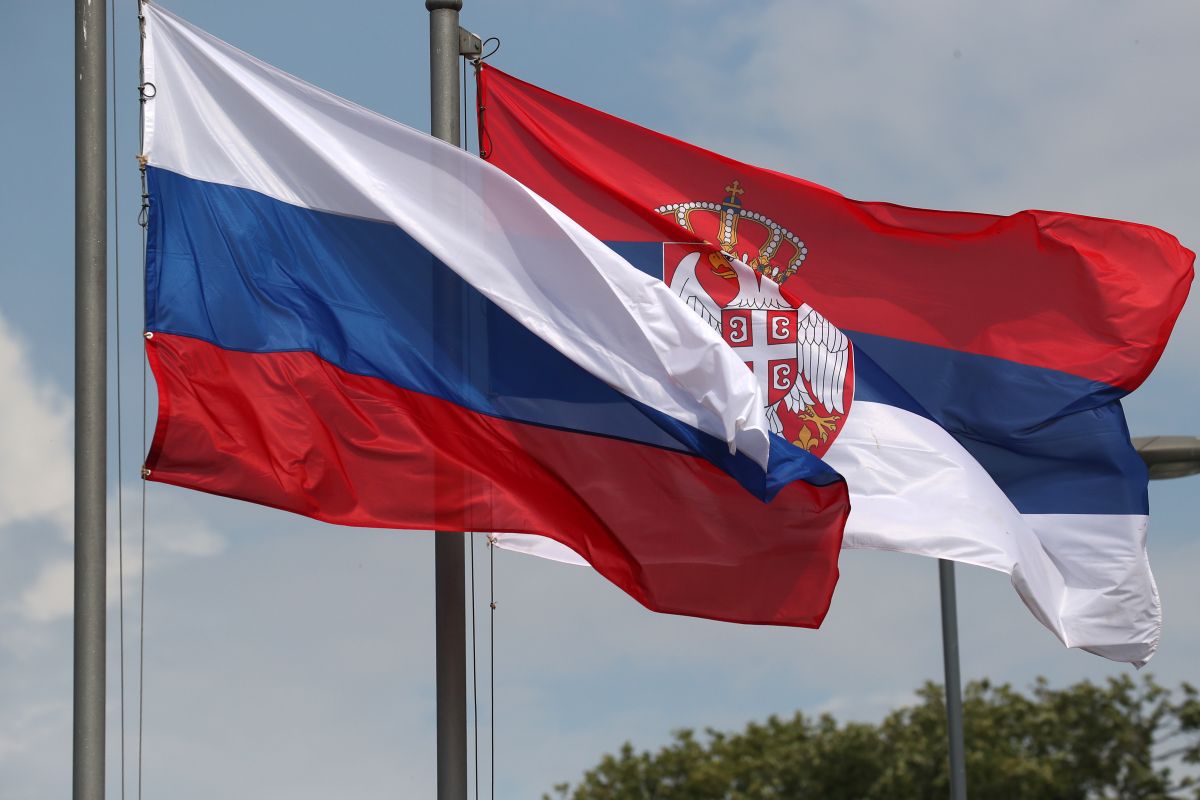
At the same time, Serbia is not only failing to make significant progress in European integration but also is increasingly less identified with EU actions. According to an October EC report, Serbia’s foreign policy harmonisation with the EU has dropped from 64% in 2021 to 45% in August 2022. This is mainly due to Serbia’s stance towards Russia’s aggression against Ukraine. Some EU countries, such as Germany, explicitly point to this as an obstacle to Serbia’s integration into the EU. Moreover, in terms of democratisation, this year’s elections in Serbia once again raised concerns (including from the OSCE) and this country enjoys less freedom of the press than Kosovo, which overtook Serbia in this year’s ranking on the fight against corruption.
Conclusions and Prospects
Unilateral escalation of the situation is one of the instruments of both the Kosovo Serbs, as well as the Kosovo and Serbian authorities. Both sides use it to achieve mainly internal goals, which include convincing voters that they are tenacious and resistant to the actions of the opposing side. In doing so, they invoke issues of security for their citizens, as well as their identity and state sovereignty.
For these reasons, the parties are not interested in signalling compromise solutions on their own. This is accompanied by the belief that this will be perceived by the neighbouring state as weakness, which will limit the possibilities for future action against it. At the same time—having achieved domestic policy goals by demonstrating intransigence—both countries are willing to de-escalate with the mediation of the EU and the U.S. Due to their involvement, both the agreement on license plates and the postponement of by-elections have led to a decrease in tensions.
However, the potential for escalation persists due to the temporary nature of the solution and the unresolved institutional crisis. Moreover, a factor that increases security risks in the region is Russia’s disruptive involvement. Since the middle of the previous decade, Russia has been openly interested in increasing its influence in the Balkans by maintaining disputes and stirring up new ones to undermine democratisation, transformation, and Euro-Atlantic integration in the region. It has no leverage over the Kosovo authorities and the Albanians living there, traditionally supportive of U.S. policy. In Serbia, on the other hand, it has been suggesting, through the media, including the likes of Sputnik, that “the new rules that Russia established in February” (justifying Russia’s invasion of Ukraine) could also be applied in the Balkans. Its ambassador in Belgrade indicated outright that the country has the means to engage in the region despite the ongoing war. Such interference is encouraged by Russia’s stance on Serbia’s aggression against Ukraine.
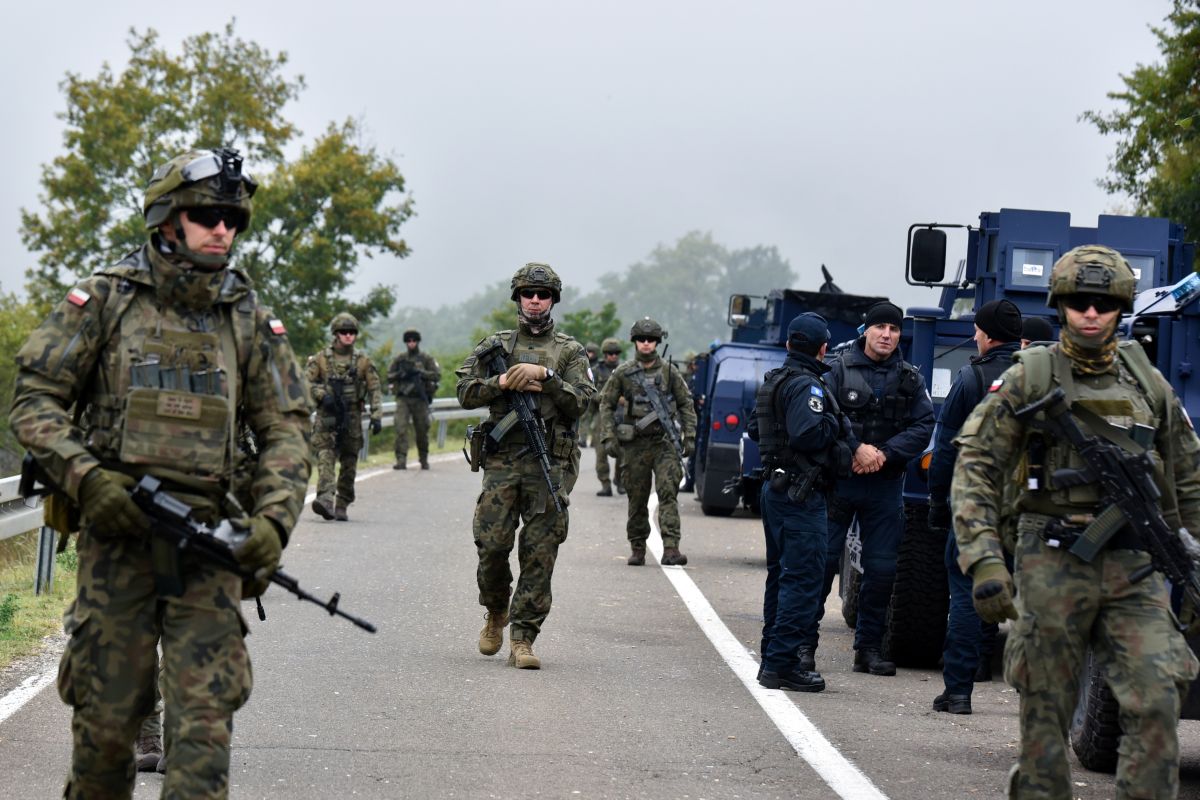
Maintaining a stable security situation in Kosovo is of particular interest to Poland, not least because of its significant military (currently the fifth-largest contingent out of the 27 within the NATO mission KFOR) and police involvement (it is the only provider of an international operational police forces). Poland can take advantage of both Kosovo’s progress in integrating with the EU and its recent decision to establish a consulate in the country to strengthen communication with it. The renewal of the bilateral Belgrade Conference, in which Poland shares its EU integration experience with Serbia, may serve further bilateral cooperation. This is an appropriate forum also for pointing out the harm to Serbia from supporting Russia.


_sm.jpg)