NB8 summit in Estonia
On 9 June this year, a summit of the Baltic and Nordic countries (NB8) was held in Tallinn, attended by the President of Ukraine, Volodymyr Zelenskyy. The participants reaffirmed their commitment to strengthening cooperation on common security within the framework of NATO. They also declared their readiness to deepen defence cooperation with Ukraine and their support for its Euro-Atlantic aspirations.
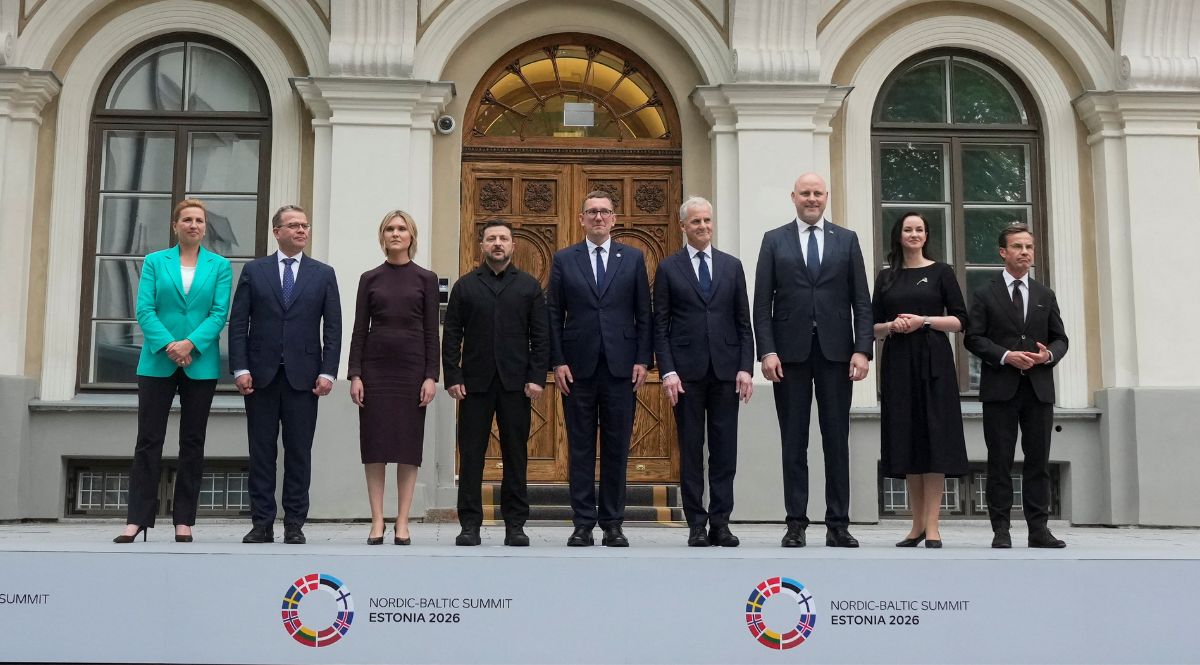 Ints Kalnins / Reuters / Forum
Under what circumstances did the summit take place?
The Tallinn meeting was organised by Estonia, in its role as the current president of the NB8 format. It was intended to serve as a forum for consultation among allies ahead of the NATO summit in Ankara scheduled for July, which will determine the Alliance’s future transformation. Following a reduction in the US military presence in Europe, this will involve European members taking on greater responsibility for their own security, as well as a further increase in their defence spending. The meeting also took place against the backdrop of recent Ukrainian drone crashes in the Baltic states and Finland. Concurrently, discussions were underway within the EU regarding the opening of the first chapter in Ukraine’s accession negotiations, alongside the German proposal to grant the country ‘associated member’ status, which, if effective, could push back the accession process.
What were the outcomes of the summit?
In the final statement from the Tallinn summit, the NB8 countries emphasised NATO’s role as the guarantor of European security and committed to spending 5% of GDP on defence well before 2035. They also recognised the need to expand defence industries with EU support. They pledged further military aid to Ukraine and support for a lasting and just peace, as well as for its membership of the EU and NATO. They also announced the continuation of sanctions pressure on Russia and further measures aimed at bringing about an unconditional ceasefire and peace talks—including targeting the Russian energy and financial sectors, and action against the “shadow fleet”. The NB8 countries also announced afurther deepening of economic cooperation, primarily in the field of new technologies. On the sidelines of the meeting, Ukraine signed an agreement with Latvia to expand cooperation on drones and counter-drone systems, and agreed to begin cooperation with Estonia on the production of low-cost anti-drone weapons. President Zelenskyy and Norwegian Prime Minister Jonas Gahr Støre also discussed the supply of Norwegian air defence systems to Ukraine.
How are the NB8 countries cooperating with Ukraine, and what are the prospects for further support?
The NB8 and Ukraine published a joint declaration on strengthening cooperation in the field of security and defence during the summit. In this, the Baltic and Nordic countries unambiguously supported the opening of all negotiation clusters in Ukraine’s talks with the EU by the end of July this year. They also announced efforts to secure further support for Ukraine at the NATO summit in Ankara, primarily in air defence. Emphasising that they are among the largest donors of aid to Ukraine, they pointed out that they have allocated approximately €45 billion since the start of the full-scale Russian invasion. Within NATO and the EU, the NB8 countries are lobbying for further deepening of cooperation, intended to lead to Ukraine’s membership of both organisations. They have initiated aid projects such as the Tallinn Mechanism, which supports the protection of Ukraine’s civilian cyber infrastructure, and the Danish Model, which funds the expansion of Ukraine’s defence industry. Norway is also the initiator of the Nansen humanitarian and development aid programme, one of the largest bilateral initiatives supporting Ukraine. By 2030, the Norwegian government will allocate over €25 billion to this programme.
What are the implications of involving Ukraine in regional dialogue formats?
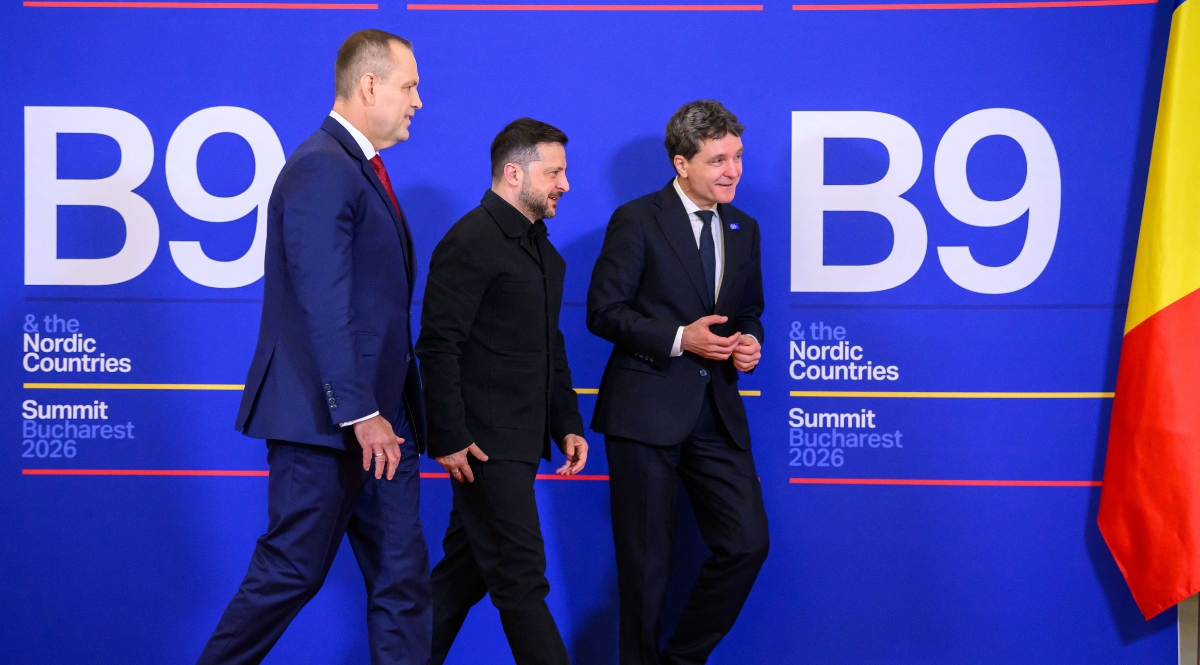
Ukraine is prioritising closer cooperation with those EU and NATO members whose assessments of security issues and threats from Russia most align with its own interests. To this end, it participated as a guest in the NB8 meeting in Tallinn and, in May of this year, the Bucharest Nine and Nordic countries summit in Bucharest. This close involvement enables the parties to pursue joint political, military and economic projects. Ukraine’s inclusion in regional format discussions enhances their significance, providing leverage that directly promotes the agenda of the regional format. The presence of President Zelenskyy at the summits in Tallinn and Bucharest facilitated the resolution of bilateral issues between Ukraine and Latvia and Estonia, relating to Ukrainian drone crashes on their territories. It also enabled the participants in these formats to effectively highlight to other allies the security challenges on NATO and the EU’s eastern and northern flanks. It also facilitated the development of strategic agreements with Ukraine, advancing technological and industrial cooperation in the field of unmanned aerial vehicles and the transfer of Ukrainian military expertise to the armed forces of the region’s countries.