First EU-Armenia Summit takes place
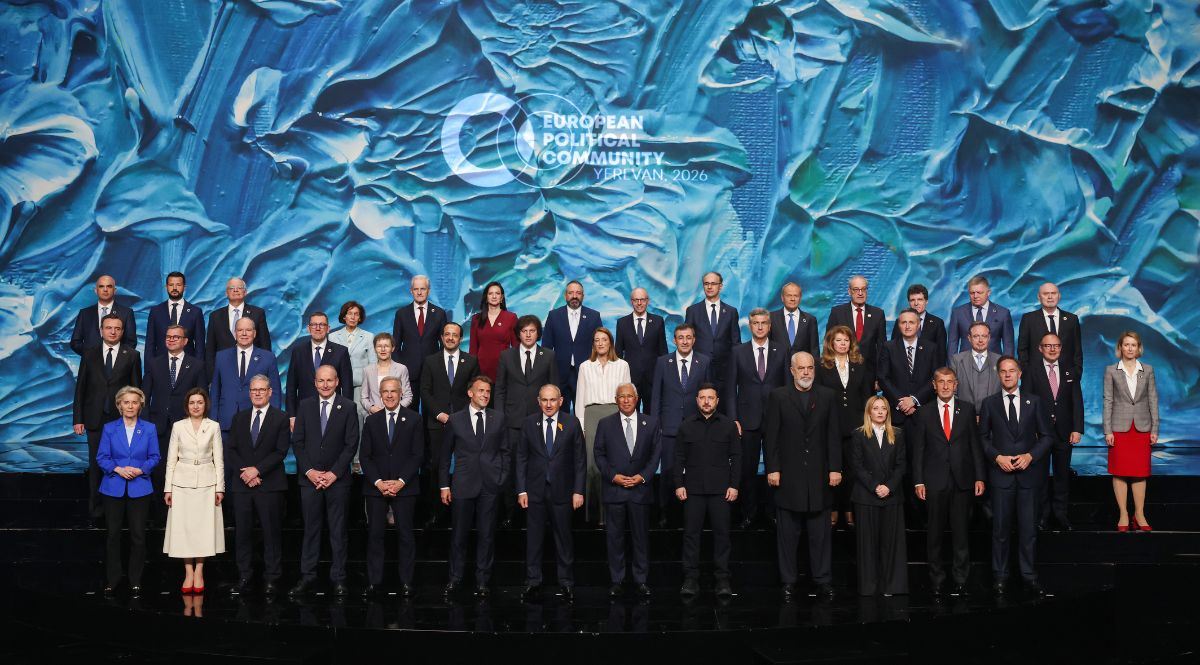
On 5 May, the first-ever EU-Armenia summit took place. This event, organised the day after the European Political Community (EPC) meeting in Yerevan, reflects both sides’ interest in strengthening mutual relations. It also signals the EU’s support for the multivector foreign policy course adopted over two years ago by Prime Minister Nikol Pashinyan—turning closer to the EU and limiting dependencies on Russia.
 AA/ABACA / Abaca Press / Forum
What is the context and meaning of the organisation of the EU-Armenia summit?
The key context of the summit is a continuation of the political rapprochement between the two partners following the adoption of a new strategic agenda in December last year and the establishment of the EU Partnership Mission in Armenia (EUPA) on 21 April this year, intended to support Armenia in combating external threats, including cyber threats and disinformation. EU and Armenian politicians have described it as a milestone in bilateral relations. The summit was the first event of this calibre in the Union’s relations with the South Caucasus republics. It highlights Armenia’s replacement of Georgia as the leader of cooperation with the EU in the region.
What are the outcomes of the summit?
In a joint statement, the EU and Armenia reaffirmed their intention to develop bilateral relations in a multifaceted (security, energy, new technologies, etc.) and multi-tiered (in terms of the level of engagement in cooperation) manner. At the summit, they concluded a Connectivity Partnership on the expansion of regional transport, energy and digital connections and infrastructure, under which they will hold high-level dialogues. Along with encouraging European and Armenian companies to participate in investment projects in Armenia, it is intended to boost trade, create new jobs and strengthen stability in the region. Meanwhile, representatives of Frontex and the Armenian Ministry of the Interior, initialled an agreement providing for support to Armenia in border management and migration. It is intended to enable Armenia to take full control of its borders with Russia, and to implement an action plan for visa liberalisation with the EU.
What is the significance of the summit for Armenia?
The organisation of the summit, the EPC meeting in Yerevan and the state visit by French President Emmanuel Macron (on 3–5 May) confirm the effectiveness of Pashinyan’s multi-vector foreign policy – strengthening relations with the EU whilst reducing the country’s dependencies on Russia. These events also suggest the support of the EU and its member states for this course, and indirectly, backing for the Prime Minister. According to the incumbent authorities, the positive assessment of his actions on the international stage is set to become one of the factors that will secure them a third term in the parliamentary elections scheduled for 7 June.
Armenia’s strengthening relations with the EU provide a further sign of Russia’s waning influence in the country and, more broadly, across the entire South Caucasus. Due to its relatively small market and unfavourable investment climate, it is not a major economic partner for the EU, but the Union could become a key source of support for Armenia in further reducing its dependence on Russia and, in the long term, in its withdrawal from the Eurasian Economic Union.
What are the challenges and prospects for EU-Armenia relations?
Even in the medium term, Armenian accession to the EU is highly unlikely. The future maintenance and development of cooperation are somewhat dependent on the June elections. A defeat for Pashinyan’s party at the hands of the pro-Russian opposition is currently unlikely, but actions by the ruling camp during the election campaign may raise concerns within the EU, such as amendments to the electoral code that disadvantage the opposition. A victory for the pro-EU ruling camp will not, however, lead to Armenia becoming completely independent of Russia, due to economic and security factors, including energy security, etc. This will be a long-term challenge requiring greater EU input, including financial support. Tightening the EU’s sanctions regime on Russia will remain a difficult issue in bilateral relations, which could have negative consequences for Armenia’s already relatively weak economy. The achievement of the EU’s objectives regarding the improvement of transport links with Central Asia via the South Caucasus will, however, depend on progress in the peace process between Armenia and Azerbaijan, which has strong involvement from the US, while the EU currently has no direct influence.



.png)