
Countering the circumvention of EU sanctions against Russia by foreign companies
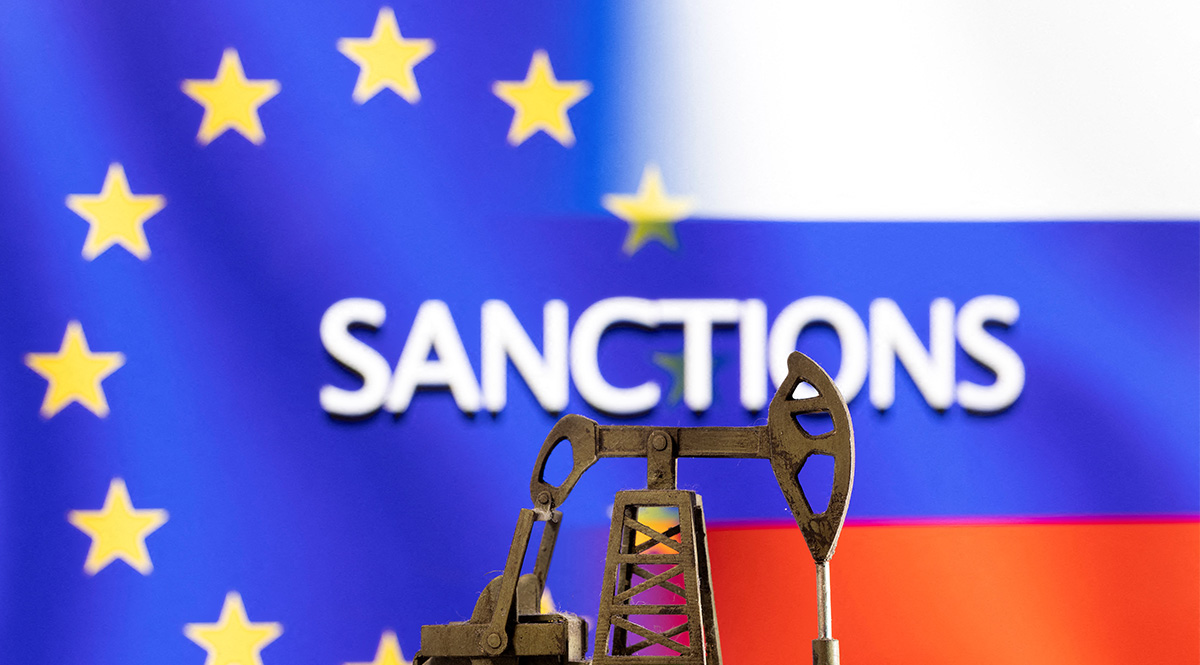
The EU is adopting stricter restrictions on foreign companies that participate in circumventing the sanctions against Russia. It is also working to improve compliance with sanctions by EU companies. In order to increase the effectiveness of these efforts, the EU may, in coordination with the G7, adopt financial sanctions against additional foreign companies acting as transit hubs to Russia or financial institutions participating in transactions that violate sanctions. The Member States should increase the number of inspections of EU companies suspected of violating the restrictions.
.png) credit: Christian Ohde / imageBROKER / Forum
credit: Christian Ohde / imageBROKER / Forum
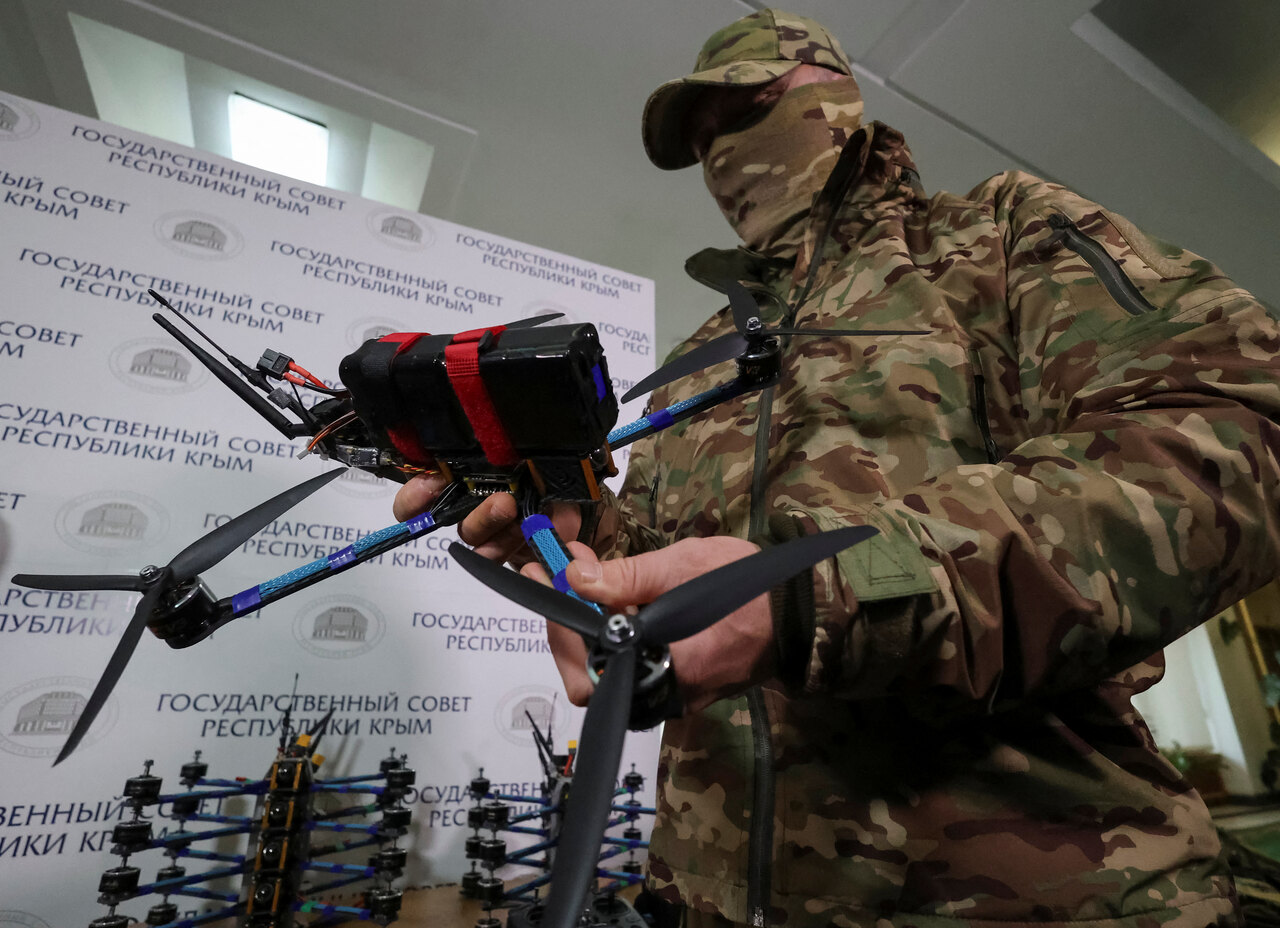
EU sanctions on oil and dual-use goods are playing the most significant role in reducing Russia’s ability to wage war. However, the Russian authorities are partially circumventing them through entities from third countries not subject to restrictions. For example, they obtain dual-use products and technologies from the EU mainly through companies from China, the United Arab Emirates (UAE), Türkiye, and Central Asian countries. To conceal the end-recipient of the products, they create complex chains of transactions using, among other things, shell companies and small businesses, which are difficult to track. In turn, they circumvent the price cap on Russian oil by transporting it via the so-called shadow fleet. According to S&P Global data from 2025, ships, including those already subject to sanctions, are increasingly being registered under flags such as Curacao, Eswatini, Guyana, Guinea, and Sao Tome. They also have complex ownership structures that make it difficult to identify their owners, consisting of companies registered in various jurisdictions, such as China, Hong Kong, Liberia, Panama, and the Marshall Islands.
EU Legal Solutions
As a rule, the EU takes the position that the extraterritorial application of sanctions is contrary to international law. It applies sanctions against non-EU companies if there is a connection with the jurisdiction of the EU or a Member State, for example, in the case of goods transiting through EU territory or payments made through EU entities. Despite this approach, the EU has introduced, exclusively in the system of sanctions against Russia, the possibility of imposing restrictions on persons and entities from third countries that participate in circumventing EU restrictions in selected sectors and after meeting certain criteria. To date, it has imposed financial sanctions on about 30 companies that support the Russian defence sector, originating from Belarus (including military vehicles, optical equipment for tanks, helicopter maintenance and repair), China (including the provision of satellite images and services, machine tools, drones and their components, parts for military helicopters), Hong Kong (including microelectronics), Iran (drones), Israel and Türkiye (electronics), and North Korea (ballistic missiles). Financial sanctions were also imposed on several companies linked to the Russian “shadow fleet” from Hong Kong, Türkiye, and the UAE.
The EU has also imposed a number of bans on EU entities. It has significantly restricted EU exports of dual-use products to over a hundred foreign companies due to their links with the Russian defence industry. These mainly concern entities from Central Asia, China, Hong Kong, India, Iran, Serbia, Türkiye, and the UAE. In the event of circumvention of sanctions against Russia, the EU may suspend, based on a unanimous decision of EU members, the export of dual-use products to such countries and the provision of related services. The EU has also adopted a ban on the provision of services to and entry into EU ports for 342 tankers listed as part of the Russian “shadow fleet”. It has prohibited EU entities from conducting financial transactions with three financial institutions (from Belarus and China) that use the Central Bank of Russia’s Financial Messaging Transfer System (SPFS) to circumvent restrictions.
The EU is working to improve compliance with sanctions by EU companies. In April 2024, it adopted a Directive that recognises violations of sanctions as a criminal offence and harmonises the system of penalties in this area. By 20 May this year, 15 Member States, including Poland, had met the deadline for transposing it into national law. The EU has also strengthened requirements for EU companies to control their supply chains. It has introduced an obligation for companies to include in their contracts for certain goods, such as aviation fuel, a clause prohibiting re-export to Russia and to ensure that the activities of their non-EU subsidiaries do not violate sanctions. Companies trading in dual-use components must specifically assess and document the risk of re-exporting these products to Russia.
Other EU Actions
The European Commission (EC) monitors trade with third countries for possible circumvention of sanctions, including identifying specific companies suspected of violating EU restrictions. The European Anti-Fraud Office (OLAF) supports Member States’ investigations into cross-border schemes to circumvent sanctions. It also exchanges information with G7 countries within the framework of the working subgroup on export-control enforcement, including the U.S. and the UK. It carried out, for example, an operation concerning the export of chemicals from Spain via Kyrgyzstan to Russia.
The EU has stepped up diplomatic pressure on third countries that do not apply sanctions. David O'Sullivan, the EU’s Special Envoy for the implementation of sanctions, is holding talks on suspending the transit of dual-use components with, among others, Central Asian and South Caucasus countries, Serbia, Türkiye, and the UAE. According to the EC, several countries interested in developing political and economic relations with the EU, such as Armenia, Kazakhstan, Serbia, and Uzbekistan, have introduced mechanisms to prevent the re-export of such products. The EC supports interested countries by providing advice. The Special Envoy and EU delegation officials also held talks with countries that register Russian “shadow fleet” tankers to stop this practice. As a result, Tanzania deregistered seven ships, and Panama, Honduras and Barbados declared that they would not register them.
The EC also conducts information activities aimed at the EU private sector on the implementation of new sanctions packages, including issuing guidelines and organising explanatory meetings. It strives to reach small and medium-sized enterprises (SMEs), which typically do not have sufficient resources to assess the compliance of their activities with sanctions regulations. Therefore, it has launched a help desk for SMEs in this area.
Challenges and Recommendations
Member States remain reluctant to adopt Community solutions in sanctions policy, considering this issue to be within their sovereign competence in shaping foreign policy. One of the problems for the EU remains the insufficient effectiveness of monitoring compliance with sanctions by EU companies. The system for implementing restrictions by Member States is not sufficiently harmonised, for example, countries have different practices regarding exemptions from sanctions, licences, and export controls. Most countries also lack sufficient operational capacity to detect and prosecute violations of EU restrictions. The EU could increase its support for strengthening such capacities through, for example, expert missions or joint investigations. EU members should ultimately carry out regular inspections on companies suspected of circumventing sanctions.
The problem is the EU’s limited ability to influence countries that are not interested in cooperating so closely with the Union, such as China or the UAE. Until now, the EU has relied on the United States, which uses extraterritorial sanctions and has mechanisms to enforce them on a global scale, such as by imposing heavy penalties for violations. Although the U.S. extended sanctions against Russia in February this year at the start of Donald Trump’s second term as president, his conciliatory attitude towards Vladimir Putin puts their future in doubt. The challenge in increasing the scale of the financial restrictions imposed by the EU on foreign companies is the need to obtain high-quality evidence. Member States are reluctant to exchange intelligence at the EU level, which means that the EC has to rely mainly on open sources. Despite these problems, it would be beneficial to impose financial sanctions, in cooperation with the G7, on other large foreign companies that act as a transit hub for Russia in the field of military components. In its relations with the U.S., the EU can point out that restrictions in this area limit Russia’s ability to rebuild its military potential without entailing high economic costs for the U.S. economy. In order to minimise the involvement of small companies in circumventing sanctions, it would be beneficial to expand the list of foreign financial institutions that mediate transactions that violate the restrictions. The EU could also launch a financial programme to support the activities of NGOs and investigative journalists who focus on the implementation of sanctions.

.jpg)