Andriy Yermak resigns
On 28 November, Andriy Yermak resigned as head of the Office of the President (OP) of Ukraine, Volodymyr Zelenskyy. This resignation most likely marks the end of a specific model of power in Ukraine, which was de facto based on two people.
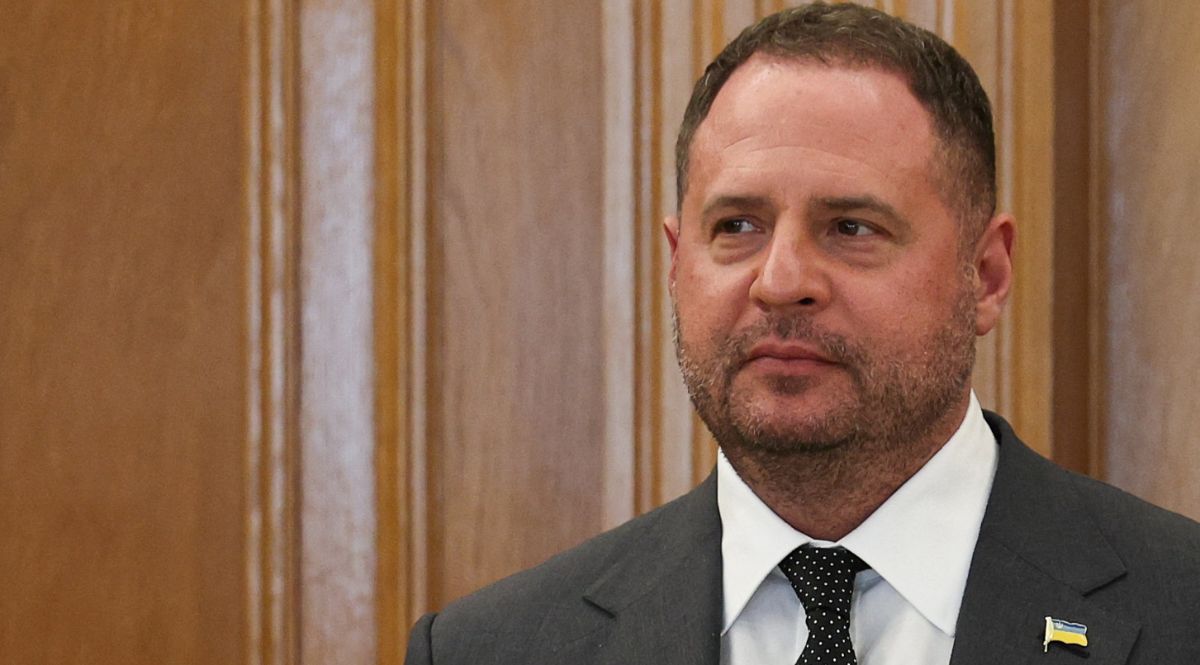 Violeta Santos Moura / Reuters / Forum
Who is Andriy Yermak?
Andriy Yermak is a lawyer who belonged to a group of business associates of the artistic group Kvartal 95, and he entered politics alongside President Volodymyr Zelenskyy in 2019. He first became an adviser to the president, and from February 2020, he was the head of the Presidential Office, and in fact, the second most important person in the country. His influence went far beyond his formal competences (according to the rules of the Presidential Office, these are ‘organisational, legal, consultative, informational, expert and analytical tasks’). Together with Zelenskyy, they consolidated almost complete power in their hands, as a result of which he was called the ‘vice-president’. He made the most important personnel decisions in the country, including those concerning the composition of the government, where he placed people loyal to him. He was also in control of key areas of Ukraine's foreign policy, including relations with the US and negotiations with Russia. In the context of peace talks, he effectively served as the president's security adviser and headed the Ukrainian delegation. He was criticised for abuse of power, monopolising access to Zelenskyy and ineffective communication with foreign partners.
What were the circumstances surrounding Andriy Yermak's dismissal?
Yermak resigned a few hours after his apartment was searched by the officials from the National Anti-Corruption Bureau of Ukraine (NABU) and the Special Anti-Corruption Prosecutor's Office. According to media reports, Yermak is involved in the biggest corruption scandal of Zelenskyy's presidency, concerning abuses in the energy sector. According to official NABU statements, the actions against Yermak are part of a broad investigation into this case. In July this year, Yermak was the architect of an attempt by the ruling camp to limit the independence of anti-corruption institutions. Declining public confidence in the government and pressure from both foreign partners and Ukrainian society were significant factors influencing Yermak's resignation. His departure was demanded in particular by the American side, which criticised his confrontational negotiating style.
What could be the consequences for the system of power in Ukraine?
Yermak's resignation will force a remodelling of the informal system of power shaped by him and Zelenskyy. It is unlikely that Yermak's successor will have as much influence on the president. For this reason, the position of Prime Minister Yulia Svyrydenko may be strengthened, who has been close to Yermak and already controls some of the most important ministries, or Foreign Minister Andriy Sybiha, whose duties were actually performed by Yermak. However, it is unclear to what extent Yermak's dismissal will translate into an actual loss of political influence for him, as many of his close associates will remain in the president's entourage. Yermak's departure may boost Zelenskyy's ratings in the short term, as the involvement of people close to the president in corruption scandals contributed to a decline in confidence in him (by about 40 percentage points compared to July this year). However, the most important directions of Ukrainian foreign policy will remain unchanged – seeking further military support and continuing European integration.
Does Yermak's dismissal affect US-Ukraine negotiations and a potential peace solution?
For personal reasons, Yermak's resignation may have a positive impact on talks with the US and further agreements on ending the hostilities. His role has been filled by Rustem Umerov, former Minister of Defence and currently Secretary of the National Security and Defence Council of Ukraine. He has already gained experience during previous negotiations, including participation in meetings in Riyadh and Istanbul. However, the resignation of the head of the OP will not affect Ukraine's negotiating position and the strength of its arguments. Nor will it strengthen Zelenskyy's position or change the Donald Trump administration's perception of him.


.png)
korupcyjnego%20na%20Ukrainie.png)